Modi forms Nandan Nilekani-led task force for exam reforms after paper leak row
Synopsis
A paper leak crisis that toppled a cabinet minister has now produced India’s most high-profile exam reform panel yet. With Nandan Nilekani — the man behind Aadhaar — at the helm alongside former ISRO and IB chiefs, the Modi government is betting that a technology-driven overhaul can rebuild trust in a national examination system that student protests have pushed to breaking point.
Key Takeaways
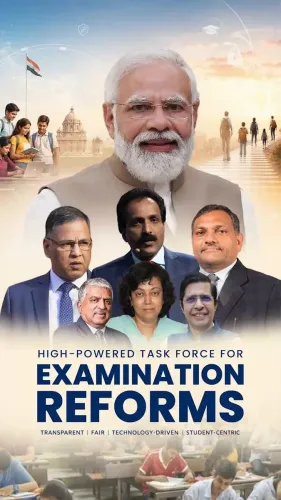
PM Narendra Modi announced a high-powered exam reforms task force on 26 July , led by Nandan Nilekani .
The panel also includes former ISRO Chairman S.
Somnath , former IB Director Tapan Deka , IIT Chennai Director V.
Kamakoti , former Education Secretary Anita Karwal , and Logistics Expert Amrit Lal Meena .
The move follows the resignation of Union Education Minister Dharmendra Pradhan amid nationwide student protests over alleged exam paper leaks.
Pralhad Joshi assumed additional charge as Union Education Minister on Sunday , expressing gratitude to PM Modi.
The government has indicated new legislation with stringent provisions against paper leaks is being drafted in Parliament.
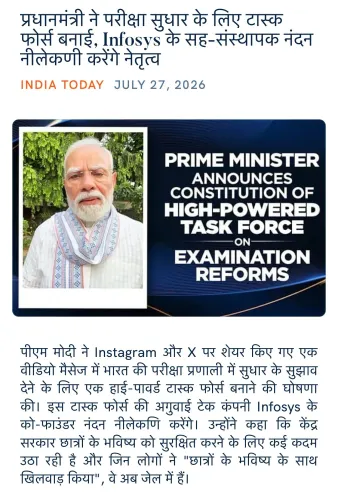
Prime Minister Narendra Modi on Sunday, 26 July announced the formation of a high-powered task force on examination reforms, to be led by Infosys co-founder and Aadhaar architect Nandan Nilekani. The move comes in direct response to a nationwide student agitation over alleged competitive exam paper leaks that forced the resignation of Union Education Minister Dharmendra Pradhan just a day earlier.
What the Task Force Will Do
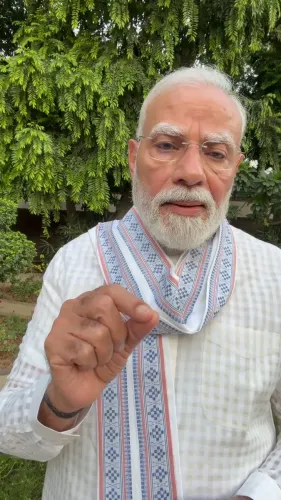
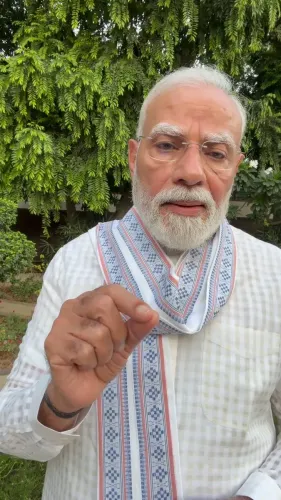
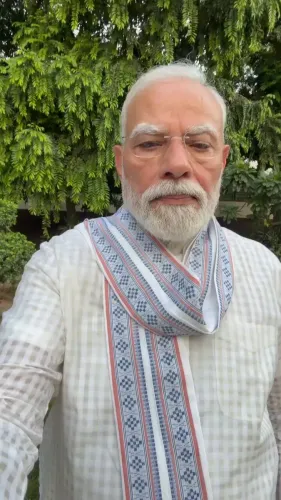
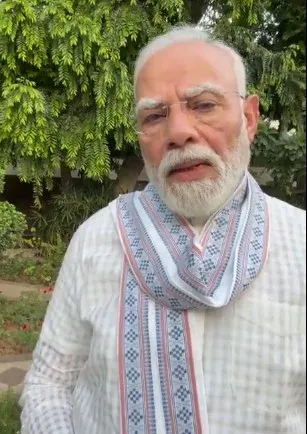
According to Prime Minister Modi, the task force will focus on making India’s examination system “reliable and transparent” with maximum use of technology. “Based on its report, steps will be taken to ensure the credibility of upcoming examinations at the earliest,” Modi said in a video statement shared on Sunday.
The government indicated that the task force’s recommendations will also inform new legislation currently being drafted in Parliament, which is said to incorporate “stringent legal provisions” against those who compromise exam integrity.
Who Is on the Task Force
Alongside Nandan Nilekani, the panel includes a cross-section of technical, administrative, and security expertise. Members are: former ISRO Chairman S. Somnath, former Intelligence Bureau (IB) Director Tapan Deka, IIT Chennai Director V. Kamakoti, former Education Secretary Anita Karwal, and Logistics Expert Amrit Lal Meena, according to an official statement.
New Education Minister Takes Charge
Hours before the task force announcement, Union Minister Pralhad Joshi assumed additional charge as Union Education Minister on Sunday. Joshi, who currently holds the portfolio of Food and Consumer Affairs, was handed the education brief following Pradhan’s exit. In a post on social media platform X, Joshi said: “Today, I assumed charge as the Union Minister for Education. I am grateful to Prime Minister Narendra Modi ji for placing his faith in me and entrusting me with this responsibility. I accept it with humility and a deep sense of duty.”
Background: The Paper Leak Crisis
The task force formation follows weeks of intense public and political pressure after alleged irregularities surfaced in multiple competitive examinations. Student protests spread across the country, demanding accountability from the Education Ministry. The government has stated that those responsible for tampering with exam papers are “languishing in jail” and that fast-track courts have already been established to expedite proceedings.
Notably, this is not the first time India’s exam system has faced a credibility crisis — but the scale of this agitation, which ultimately claimed the job of a sitting cabinet minister, marks a significant political moment for the ruling Bharatiya Janata Party (BJP).
What Comes Next
The task force is expected to submit its report within a defined timeline, though no deadline was specified in the government’s announcement. Its findings are likely to shape both the legislative response and the operational framework for major national examinations going forward. All eyes will now be on whether Nilekani’s technology-first approach can restore student confidence in a system under severe strain.
Point of View
Not just a solution. The government is reaching for the man most associated with India’s last great credibility-through-technology project — Aadhaar — to rescue a system that has failed not through lack of technology but through institutional rot and human compromise. Fast-track courts and new legislation address the symptom; the harder question is whether the National Testing Agency and allied bodies have the structural independence to resist political and commercial pressure on exam conduct. That question is absent from the task force’s stated mandate, and it is the one students were actually asking.
NationPress
25 Oct 2026
Frequently Asked Questions
Who is on the exam reforms task force announced by PM Modi?
The task force is led by Infosys co-founder Nandan Nilekani and includes former ISRO Chairman S. Somnath, former IB Director Tapan Deka, IIT Chennai Director V. Kamakoti, former Education Secretary Anita Karwal, and Logistics Expert Amrit Lal Meena.
Why was the exam reforms task force formed?
The task force was formed in the wake of nationwide student protests over alleged paper leaks in competitive examinations, which led to the resignation of Union Education Minister Dharmendra Pradhan. PM Modi stated the panel will help ensure the credibility of upcoming examinations.
Who is the new Education Minister after Dharmendra Pradhan’s resignation?
Union Minister Pralhad Joshi assumed additional charge as Education Minister on 26 July. He currently holds the Food and Consumer Affairs portfolio and was appointed to the education brief by PM Modi following Pradhan’s exit.
What will the Nandan Nilekani task force recommend?
The task force is mandated to focus on making India’s examination system more reliable, transparent, and technology-driven. Its report will inform both operational reforms and new legislation being drafted in Parliament with stringent provisions against exam malpractice.
What action has the government already taken on the paper leak controversy?
According to PM Modi, individuals responsible for tampering with exam papers are already in custody and fast-track courts have been established. The government is also working on new legislation in Parliament with stricter legal provisions against exam fraud.