Anurag Thakur joins JPC meet with Goa Assembly on ONOE
Synopsis
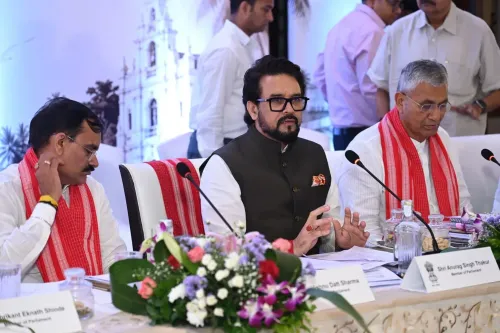
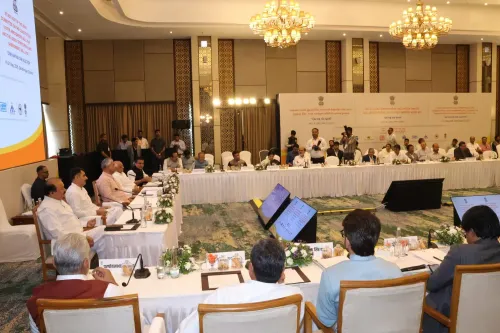
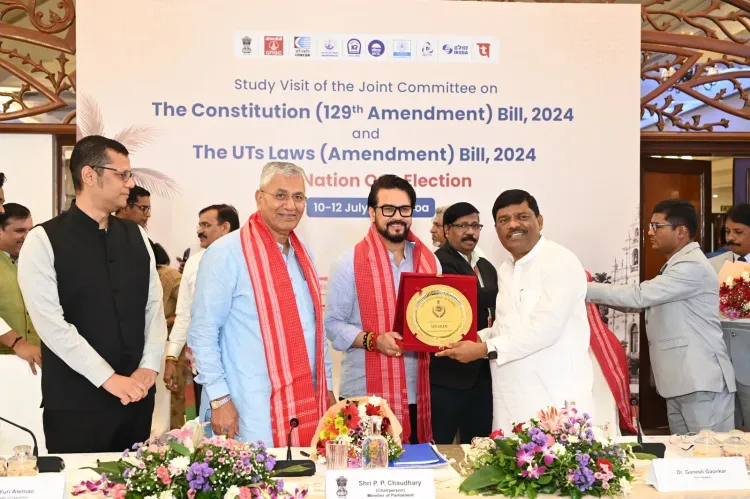
BJP MP Anurag Thakur joined a JPC meeting with Goa Assembly Speaker Dr Ganesh Gaonkar and LoP Yuri Alemao on 11 July 2026, gathering the state's views on One Nation One Election ahead of the panel's final recommendations.
Key Takeaways
BJP MP Anurag Thakur participated in a JPC on One Nation One Election meeting with Goa Legislative Assembly leaders on 11 July 2026 .
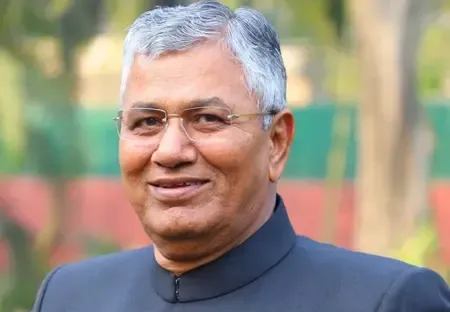
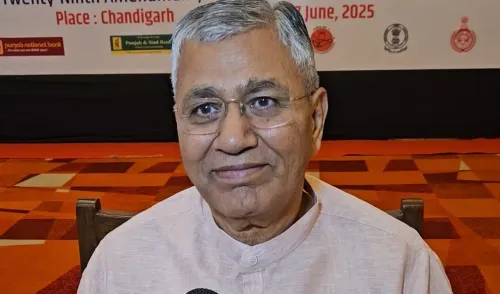
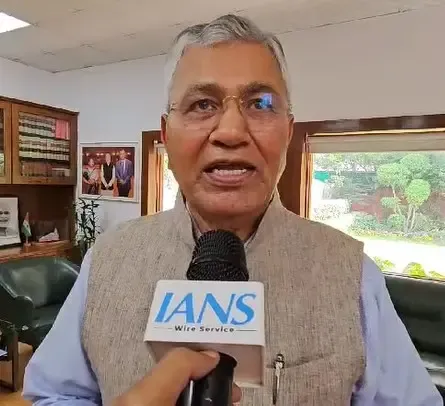
The meeting was chaired by JPC Chairman P.
Chaudhary and included Speaker Dr Ganesh Gaonkar and Leader of Opposition Yuri Alemao .
Discussions covered how ONOE would reduce election frequency, cut public expenditure, and allow governments to focus on long-term policy.
Goa provided inputs on administrative readiness, federal structure , and electoral logistics to inform the JPC's final recommendations.
The Law Commission of India's 2018 report and the Ram Nath Kovind-led High-Level Committee (2023) form the key policy antecedents of the reform.
The JPC's final report is expected to precede introduction of constitutional amendment bills in Parliament.
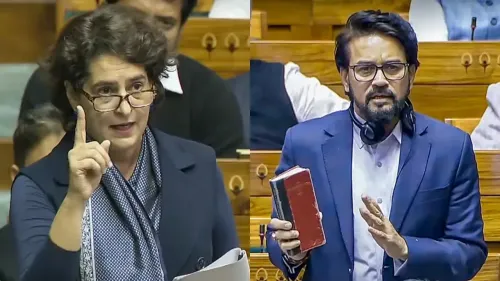
BJP MP Anurag Thakur on Saturday, 11 July 2026, participated in a Joint Parliamentary Committee meeting on One Nation One Election with Goa Legislative Assembly Speaker Dr Ganesh Gaonkar and Leader of Opposition Yuri Alemao, gathering the state's perspectives on the proposed simultaneous elections reform.
Context
The meeting, held under the chairmanship of JPC Chairman P. P. Chaudhary, is part of a structured consultation process through which the parliamentary panel is engaging state legislatures across India. Thakur described the session as 'very productive and insightful,' noting that discussions centred on how simultaneous elections would 'reduce frequent elections, minimise disruption to governance, cut huge public expenditure, and allow elected governments to focus on long-term policy implementation and development.'
Goa, one of India's smaller states, offered inputs on administrative readiness, the federal structure, and electoral logistics — dimensions that are central to the constitutional and operational feasibility of the reform.
Policy Backdrop
The One Nation One Election proposal has a decade-long policy lineage. The Law Commission of India in its 2018 report formally recommended simultaneous polls for Lok Sabha and state assemblies, citing the recurring costs and governance disruptions caused by India's staggered electoral cycle.
In September 2023, the Union government constituted a High-Level Committee headed by former President Ram Nath Kovind to examine the feasibility of the reform. The committee's work fed into the formation of the current Joint Parliamentary Committee, which is now conducting state-by-state consultations to build constitutional, administrative, and cross-party consensus before any amendment bills are introduced in Parliament.
The JPC process is designed to address concerns around federal balance — a recurring objection from regional parties who argue that synchronising elections could disadvantage smaller state governments mid-term.
Stakeholders and Impact
The stakeholders in the ONOE debate span state governments, the Election Commission of India, and political parties of all persuasions. For a small coastal state like Goa, the administrative implications include voter roll synchronisation, deployment of central security forces, and the logistical challenge of conducting simultaneous local body elections alongside state and national polls.
The participation of Leader of Opposition Yuri Alemao — representing the opposition's voice in the Goa Assembly — signals that the JPC is seeking inputs from across the political spectrum, not only from ruling-party legislators. Thakur noted that the Speaker and LoP's 'constructive inputs' and 'valuable feedback' would 'play a key role in shaping the final recommendations.'
What's Next
The JPC is expected to compile state-level consultations into a final report, which could pave the way for the introduction of constitutional amendment bills in a forthcoming Parliament session. The committee's ability to reflect diverse state concerns — on federal structure, administrative readiness, and electoral logistics — will be critical to determining whether the reform gains the broad legislative support required for constitutional changes.
As the JPC widens its consultations, Goa's feedback joins a growing body of state-level inputs that will shape the contours of what the government has called a 'historic reform' aimed at strengthening 'Indian democracy and cooperative federalism.'
Point of View
Insulating the proposal from easy dismissal as a ruling-party project. For a small state like Goa, the federal-structure question is particularly acute: simultaneous elections could effectively freeze state-level political accountability cycles to a national rhythm. How the JPC balances these tensions in its final report will determine whether ONOE advances as a constitutional amendment or stalls in committee.
NationPress
11 Jul 2026
Frequently Asked Questions
What is One Nation One Election and why is it being discussed?
One Nation One Election is a proposed reform to hold Lok Sabha and all state assembly elections simultaneously, aimed at reducing the frequency of polls, cutting public expenditure, and minimising governance disruptions caused by the model code of conduct. It has been under policy consideration since at least the Law Commission of India's 2018 report.
What is the Joint Parliamentary Committee on One Nation One Election?
The Joint Parliamentary Committee on ONOE is a bipartisan parliamentary panel tasked with examining the legal, constitutional, and logistical aspects of simultaneous elections. It is chaired by BJP MP P. P. Chaudhary and is currently consulting state legislatures across India.
Who represented Goa in the JPC meeting on 11 July 2026?
Goa Legislative Assembly Speaker Dr Ganesh Gaonkar and Leader of Opposition Yuri Alemao represented the state and provided inputs on administrative readiness, federal structure, and electoral logistics.
What role did Anurag Thakur play in the One Nation One Election JPC?
Anurag Thakur, BJP Lok Sabha MP from Hamirpur, Himachal Pradesh, is a member of the JPC on One Nation One Election. He participated in the Goa consultation meeting on 11 July 2026 and shared the proceedings on social media.
What happens after the JPC completes its state consultations on ONOE?
The JPC is expected to compile all state-level feedback into a final report. That report could form the basis for constitutional amendment bills to be introduced in a forthcoming Parliament session, subject to sufficient legislative support.