Anurag Thakur links Himachal's martial spirit to sports push
Synopsis
BJP MP Anurag Thakur on 26 September 2026 invoked Himachal Pradesh's deep military legacy to urge the state's youth toward competitive sport, praising PM Modi's Fit India Movement and noting India's growing appeal as a global sports host.
Key Takeaways
BJP MP Anurag Thakur called on Himachal Pradesh youth to translate the state's celebrated military tradition into competitive sporting achievement.
He praised the Fit India Movement , launched by PM Narendra Modi on 29 August 2019 , for mainstreaming fitness beyond athletes into everyday Indian life.
Thakur described the movement's public reception as 'beyond expectations,' citing improved national sporting culture as a direct outcome.
He noted that better sports infrastructure has made India an increasingly preferred destination for international sporting events, with global bodies keen to host tournaments here.
Himachal Pradesh has historically supplied a disproportionately large share of India's armed forces personnel — Thakur's post seeks to reframe that martial energy toward sports arenas.
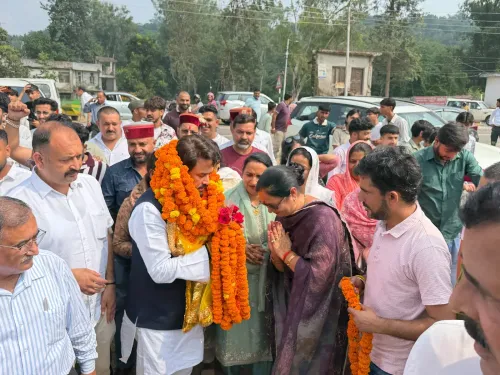
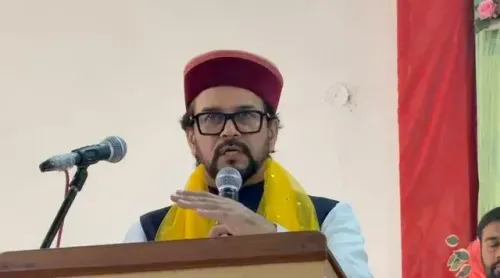
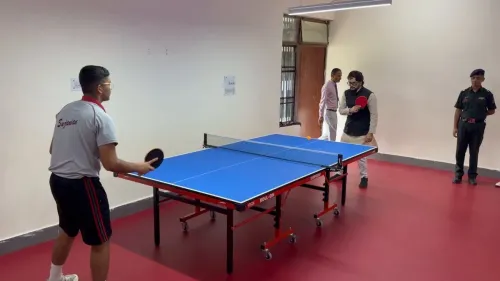
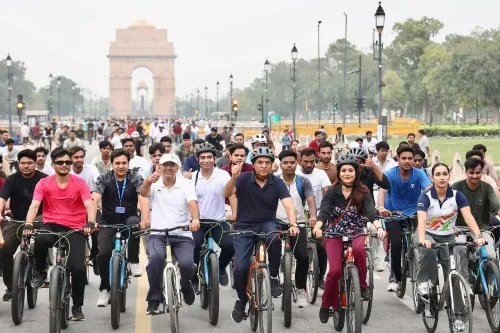
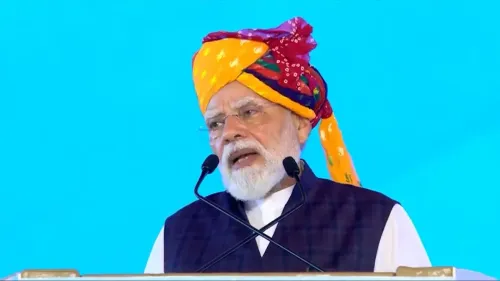
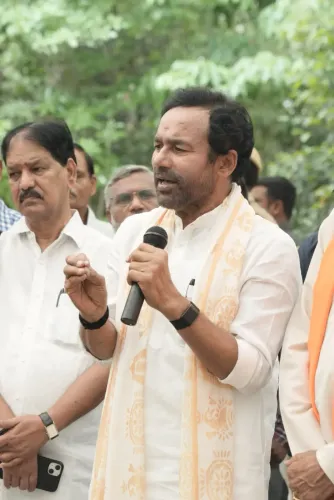
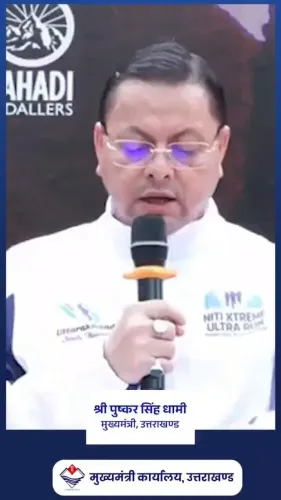
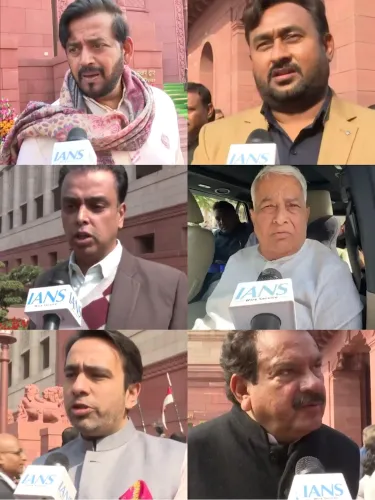
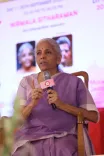
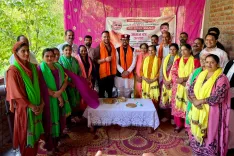
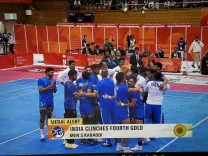
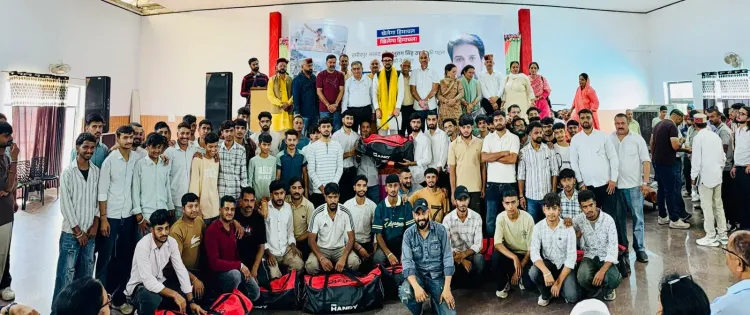
From battlefield to playing field — BJP MP Anurag Thakur drew a sharp parallel on Saturday, 26 September 2026, invoking Himachal Pradesh's storied military tradition and urging the state's youth to carry that same fire into competitive sport. The Hamirpur MP's post arrived with four images and a pointed message: the same courage that fills army recruitment rolls should now fill sports arenas.
Thakur's words in Hindi captured the contrast vividly: 'सैनिक जंग के मैदान में अपना जौहर दिखाता है और खिलाड़ी खेल के मैदान में अपना जलवा दिखाता है' — 'A soldier proves his mettle on the battlefield; an athlete dazzles on the sporting arena.' He called on Himachali youth, long celebrated for their contribution to the armed forces, to channel that identical spirit into stadiums and tracks.
Fit India Movement: from gym floors to every doorstep
At the centre of Thakur's argument is the Fit India Movement, launched by Prime Minister Narendra Modi on 29 August 2019. The initiative was designed deliberately to break fitness out of its niche — not a programme for gym regulars or elite athletes, but a daily habit for every Indian citizen. Thakur described its ambition as making fitness 'hर भारतीय की रोजमर्रा की ज़िंदगी का हिस्सा' — 'part of every Indian's everyday life' — and called the campaign's reception 'beyond expectations.'
That framing matters. Successive central governments have invested in sports infrastructure through flagship schemes such as Khelo India, linking physical fitness explicitly to national development goals. The result, Thakur argued, is a reputational shift: global sports bodies are now looking at India as a preferred venue for international events, drawn by improved facilities and a vast, engaged audience.
Himachal's military legacy — and the next frontier
Himachal Pradesh has historically sent a disproportionately large share of its population into the armed forces. The state's mountainous terrain, community culture, and early exposure to physical rigour have made it one of India's most significant sources of defence personnel. Thakur, himself the MP from Hamirpur — a district known for its armed forces density — is drawing a direct line between that martial DNA and untapped sporting potential.
The ask is concrete: redirect an existing cultural instinct. If Himachali families have for generations seen a son's enlistment as a point of pride, Thakur is arguing that an athlete's podium finish should carry the same weight. It is a reframing that mirrors what sports administrators across several hilly states have been attempting through targeted academies and grassroots talent hunts.
India's rising stock as a global sports host
Thakur's note that international federations are now actively seeking to bring their events to Indian soil reflects a genuine shift in the country's sporting infrastructure trajectory. Since the mid-2010s, India has invested heavily in venues, training centres, and event-management capacity. The aspiration to host marquee tournaments — from athletics to combat sports — has moved from aspiration to active negotiation for several disciplines.
For Himachal Pradesh specifically, state-level implementation of sports infrastructure projects and any fresh bids by Indian cities to host global tournaments will be the real test of whether the sentiment in Thakur's post translates into policy action on the ground.
The soldier's courage and the athlete's spark, Thakur is betting, come from the same source. Whether Himachal's sporting academies can bottle what its cantonment towns have always known — that is the challenge the MP has now put on record.
Point of View
He is attempting to culturally legitimise sports as a career path in a state where army service has traditionally held the highest community prestige. The move also signals continued central-government interest in using sports soft power to project India's rise internationally. Whether this rhetorical push is followed by targeted state-level investment in Himachal's sporting academies will reveal whether the sentiment is strategic policy or seasonal motivation.
NationPress
26 Sept 2026
Frequently Asked Questions
What is the Fit India Movement and when was it launched?
The Fit India Movement is a national initiative launched by Prime Minister Narendra Modi on 29 August 2019 . Its goal is to make fitness a part of everyday life for all Indian citizens, not just athletes or gym-goers.
Why is Anurag Thakur talking about Himachal Pradesh and sports?
Anurag Thakur is the BJP Lok Sabha MP from Hamirpur, Himachal Pradesh . He has invoked the state's historic tradition of supplying armed forces personnel to argue that the same courage and discipline should now be directed toward competitive sport.
What is the Khelo India scheme?
Khelo India is a central government scheme aimed at reviving India's sports culture at the grassroots level by funding infrastructure, identifying talent, and supporting athletes across states, including in disciplines with Olympic potential.
Why are international sports bodies interested in hosting events in India?
India's sustained investment in modern sports venues, training facilities, and event-management capacity since the mid-2010s has made it an attractive host nation. A large, engaged audience and improving infrastructure have drawn interest from global sporting federations.
Which constituency does Anurag Thakur represent?
Anurag Thakur represents Hamirpur in Himachal Pradesh as a BJP Lok Sabha MP. He previously served as Union Minister of Information and Broadcasting and Youth Affairs and Sports.