Anurag Thakur Honours Anganwadi Workers in Hamirpur Under Seva Sankalp Drive
Synopsis
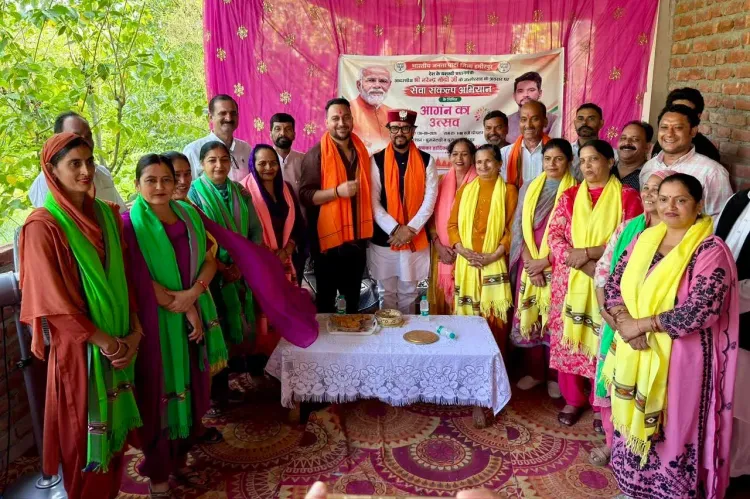
BJP MP Anurag Thakur participated in the Seva Sankalp Abhiyan's 'Angan Ka Utsav' programme at Anganwadi centres in Dugnehri and Dulehda, Hamirpur, honouring grassroots workers on the occasion of PM Modi's 25 years in public service.
Key Takeaways
Anurag Thakur visited Anganwadi centres at Dugnehri and Dulehda in Hamirpur district on 26 September 2026 .
The event was part of the Seva Sankalp Abhiyan and its Angan Ka Utsav format, tied to PM Modi's 25-year public service anniversary .
Anganwadi centres operate under the Integrated Child Development Services (ICDS) programme, established in 1975 , delivering nutrition and early childhood services.
The POSHAN Abhiyan (2018) further strengthened Anganwadi infrastructure and worker honoraria nationwide.
BJP MPs across India are conducting similar grassroots events to mark PM Modi's milestone through recognition of frontline welfare workers.
Thakur praised the workers' 'complete dedication' in connecting with children and families at village level.
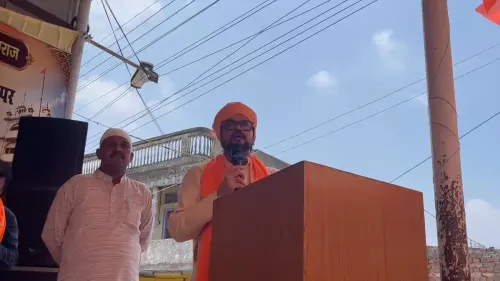
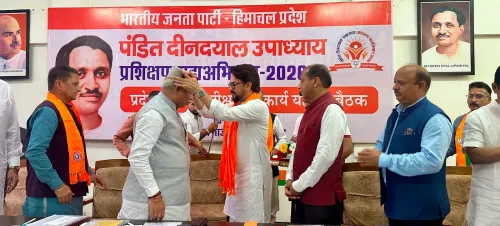
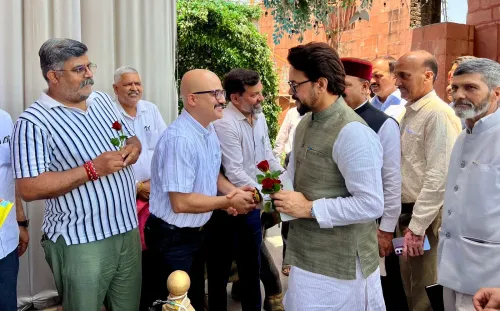
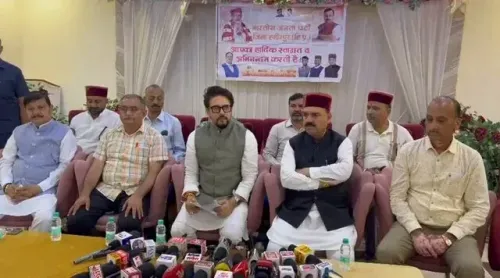
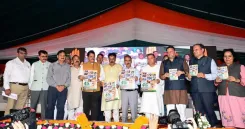
At grassroots level in Himachal Pradesh's Hamirpur district, a quiet but telling moment played out on Saturday, 26 September 2026 — BJP Lok Sabha MP Anurag Thakur sat down with Anganwadi workers at centres in Dugnehri and Dulehda, felicitating the women whose daily rounds connect rural families to nutrition, immunisation, and early childhood care.
The event was held under the Seva Sankalp Abhiyan, a BJP-led campaign of constituency-level programmes tied to Prime Minister Narendra Modi's 25 years in public service — a milestone counted from his tenure as Gujarat Chief Minister. The specific format, called Angan Ka Utsav ('Celebration of the Courtyard'), brought MPs and local workers together at Anganwadi centres to recognise frontline contributions to child welfare and family health.
Who Anganwadi Workers Are — and Why They Matter
Anganwadi centres are the cornerstone of the Integrated Child Development Services (ICDS) programme, launched in 1975 and still the government's primary vehicle for delivering supplementary nutrition, immunisation, and pre-school education to children under six and pregnant or lactating mothers. India runs over 1.3 million such centres, each staffed by an Anganwadi worker and a helper — overwhelmingly women drawn from the communities they serve.
The POSHAN Abhiyan, launched in 2018, doubled down on this infrastructure, channelling funds into better equipment, digital tracking of nutritional outcomes, and enhanced monthly honoraria for workers. Yet Anganwadi workers have historically agitated for full employee status and higher pay — a tension that frames any recognition event with a degree of political significance.
Thakur's Words at Dugnehri and Dulehda
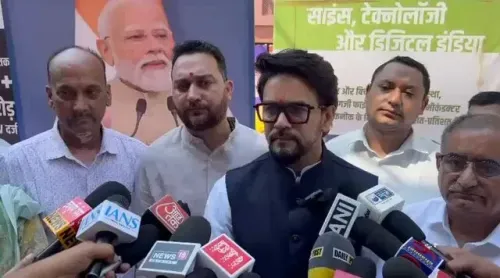
Posting in Hindi, Thakur described the gathering as 'sewa aur samman ke saath, swasth evam sashakt samaj ki or ek sarthak qadam' — 'a meaningful step toward a healthy and empowered society, with service and honour.' He credited Anganwadi workers with 'connecting with children and families at the ground level with complete dedication,' calling the commitment and enthusiasm he witnessed at the meeting 'extremely inspiring.'
The two centres — Dugnehri and Dulehda — fall within Thakur's Hamirpur parliamentary constituency, a semi-rural Himachal belt where the ICDS network forms a critical last-mile link for maternal and child health services in hilly terrain.
A Party-Wide Pattern of Grassroots Outreach
Thakur's visit is part of a broader BJP template: as Modi's public-service anniversary is marked, party MPs across constituencies are staging similar events to spotlight frontline government functionaries — ASHA workers, schoolteachers, self-help group members — weaving welfare delivery into an anniversary narrative of seva (service). The optics reinforce a messaging strand the party has pressed consistently since 2014: that social-sector schemes reach the last beneficiary through dedicated women workers on the ground.
Whether the momentum translates into concrete upgrades — higher honoraria, regularised service conditions, or expanded infrastructure in Himachal Pradesh — is the question that will follow these celebratory mornings into budget rooms and parliamentary questions.
Point of View
Constituency visits of this kind reinforce his visibility in semi-rural Hamirpur ahead of any future electoral cycle, while simultaneously aligning with the party's broader POSHAN and ICDS messaging. The underlying tension — between ceremonial recognition and the longstanding demand by Anganwadi workers for higher honoraria and regularised employment — means such events carry a latent policy question that parliamentary debate will eventually force into the open. Whether these events generate follow-through in Himachal Pradesh's state budget or in central allocations is the real measure of their significance beyond optics.
NationPress
26 Sept 2026
Frequently Asked Questions
What is the Seva Sankalp Abhiyan?
The Seva Sankalp Abhiyan is a BJP-led campaign of constituency-level events organised to mark PM Narendra Modi's 25 years in public service, with programmes recognising frontline welfare workers including Anganwadi staff.
What is Angan Ka Utsav?
'Angan Ka Utsav,' meaning 'Celebration of the Courtyard,' is the specific event format under the Seva Sankalp Abhiyan held at Anganwadi centres to felicitate grassroots childcare workers.
What do Anganwadi workers do in India?
Anganwadi workers are frontline functionaries under the Integrated Child Development Services (ICDS) programme, providing supplementary nutrition, immunisation, and pre-school education to children under six and support to pregnant and lactating mothers in their communities.
Where are Dugnehri and Dulehda located?
Dugnehri and Dulehda are villages in Hamirpur district, Himachal Pradesh, within BJP MP Anurag Thakur's Hamirpur Lok Sabha constituency.
What is PM Modi's 25 years of public service milestone?
The milestone refers to 25 years since Narendra Modi began formal public office, counted from his time as Chief Minister of Gujarat, and is being marked in 2026 through nationwide BJP outreach and welfare-recognition events.