Anurag Thakur mourns death of 3-time BJP MLA Ram Chand Bhatia
Synopsis
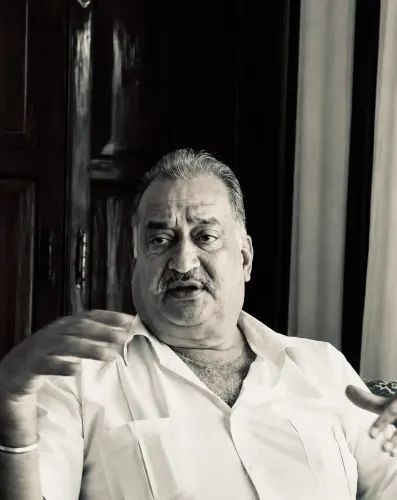
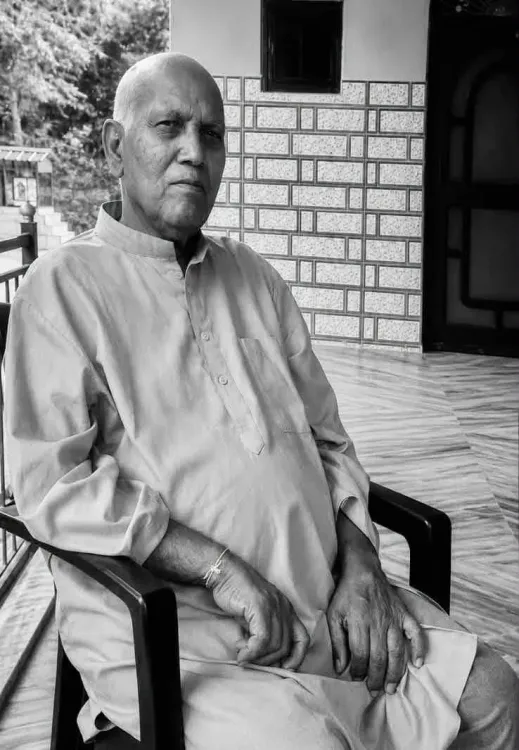
BJP MP Anurag Thakur has mourned the death of Chaudhary Ram Chand Bhatia, a senior party leader and three-time MLA from Nagrota Bagwan in Himachal Pradesh, describing the loss as deeply painful for the state's politics and the region.
Key Takeaways
Chaudhary Ram Chand Bhatia , a senior BJP leader and three-time MLA from Nagrota Bagwan assembly constituency in Himachal Pradesh , has passed away.
BJP MP Anurag Thakur expressed condolences on 29 July 2026 , calling the news 'deeply painful.' Bhatia was described as consistently dedicated to public welfare and people's issues throughout his public life.
Thakur called the passing a 'major loss' for Himachal Pradesh politics and the Nagrota Bagwan region.
Condolences were extended to Bhatia's bereaved family, supporters, and party workers.
A three-decade presence in Himachal Pradesh's assembly politics has gone silent. Chaudhary Ram Chand Bhatia, a senior BJP leader and three-time MLA from Nagrota Bagwan constituency, passed away, drawing a heartfelt condolence from BJP MP Anurag Thakur on Wednesday, 29 July 2026.
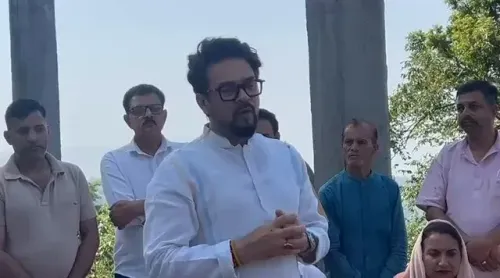
Thakur, posting in Hindi, described the news as 'atyant kashtadayi' — 'deeply painful' — and called Bhatia's passing a significant loss for both Himachal Pradesh's politics and the Nagrota Bagwan region. 'He was always dedicated to public welfare and people's issues in public life,' Thakur wrote, extending his condolences to Bhatia's grieving family and supporters.
Three terms, one constituency: Bhatia's legislative legacy
Winning a single assembly seat three consecutive times is no small feat in Himachal Pradesh, where anti-incumbency runs fierce and the state has a near-clockwork tradition of alternating between the BJP and Congress at every election. Bhatia's repeated mandate from Nagrota Bagwan — a constituency in the politically significant Kangra region — spoke to a ground-level connect that outlasted electoral cycles.
Himachal Pradesh, often called Devbhoomi (land of the gods), has long been a competitive battleground for both national parties. Veteran local legislators like Bhatia form the organisational backbone of state-level politics, bridging the gap between central party direction and grassroots constituency work.
A loss felt across party lines in Kangra
Thakur closed his post with the Sanskrit invocation 'Om Shanti' and a prayer that God grant Bhatia's soul peace and give his family the strength to bear the grief — a register of mourning that transcends political affiliation. The BJP's state unit in Himachal is expected to mark the loss formally, with party workers and constituents in the Kangra belt paying their respects.
For a party navigating generational transitions in its state leadership, the passing of a three-term MLA is a reminder of the institutional memory that veteran legislators carry — and the ground-level work that no central directive can replace.
Point of View
Which is out of power in Shimla and working to rebuild its grassroots network ahead of the next assembly cycle, the loss of experienced local figures carries organisational weight beyond symbolism. Thakur's public tribute — swift and personal in tone — also reflects the party's deliberate effort to signal continuity of respect for its state-level stalwarts. The Kangra belt, where Nagrota Bagwan sits, remains electorally crucial, making the consolidation of Bhatia's legacy a matter of both sentiment and strategy.
NationPress
29 Jul 2026
Frequently Asked Questions
Who was Ram Chand Bhatia?
Chaudhary Ram Chand Bhatia was a senior BJP leader and three-time MLA from the Nagrota Bagwan assembly constituency in Himachal Pradesh, known for his dedication to public welfare.
Which constituency did Ram Chand Bhatia represent?
He represented the Nagrota Bagwan Vidhan Sabha constituency in Himachal Pradesh across three terms as a legislator.
What did Anurag Thakur say about Ram Chand Bhatia's death?
Anurag Thakur called the news deeply painful, described Bhatia as dedicated to public welfare, and termed his passing a major loss for Himachal Pradesh's politics and the region.
Where is Nagrota Bagwan constituency located?
Nagrota Bagwan is a Vidhan Sabha constituency in the Kangra region of Himachal Pradesh, a politically significant area in the northern Indian state.
Why is Anurag Thakur associated with Himachal Pradesh?
Anurag Thakur is a BJP Lok Sabha MP from Hamirpur, Himachal Pradesh, and a former Union Minister, making him one of the most prominent BJP figures from the state.