CM Chandrababu Orders Coastal Vision Plan for AP's 1,000-km Shoreline
Synopsis
Chief Minister Chandrababu Naidu has directed officials to prepare a comprehensive vision plan for Andhra Pradesh's 1,000-km Bay of Bengal coastline, targeting investment, employment, and fisheries welfare, following a Camp Office meeting with experts and senior bureaucrats on 25 May 2026.
Key Takeaways
CM Nara Chandrababu Naidu ordered a comprehensive vision plan for Andhra Pradesh's 1,000-km coastline on 25 May 2026 .
The plan aims to transform the Coastal Andhra belt into a centre of economic activity, covering investment, employment, and fisheries welfare.
A full-scale study across all these dimensions has been mandated before the vision document is finalised.
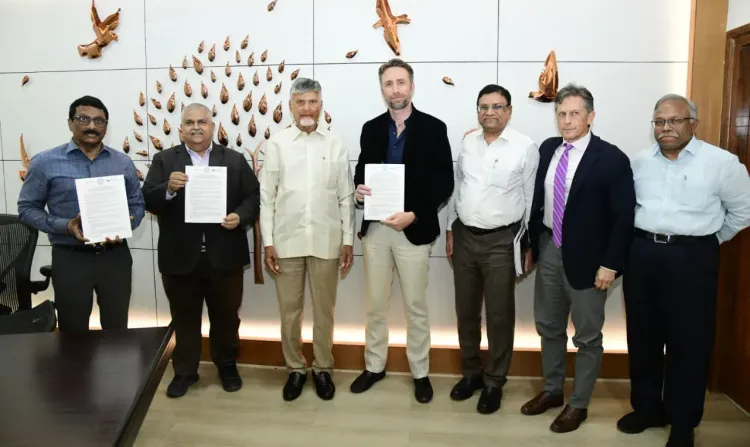
Senior officials including the Agriculture Special Chief Secretary , Fisheries Commissioner , and a marine diversity expert attended the Camp Office meeting.
The initiative aligns with the central government's Sagarmala project framework for port-led coastal industrialisation.
The completed vision plan is expected to guide future budget allocations and public-private partnership announcements for coastal projects.
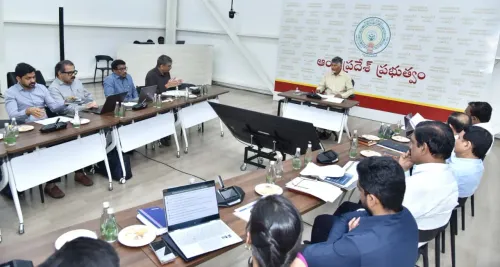
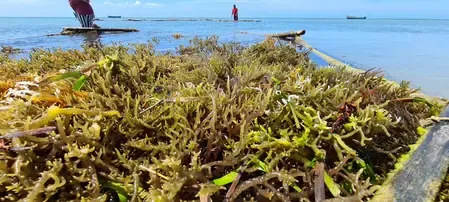
The Chief Minister's Office of Andhra Pradesh announced on Monday, 25 May 2026 that Chief Minister Nara Chandrababu Naidu has directed officials to prepare a comprehensive vision plan for the development of the state's 1,000-kilometre coastline along the Bay of Bengal, with the goal of transforming the Coastal Andhra (Kostandhra) belt into a hub of economic activity.
Context
At a meeting held at the Camp Office, Chief Minister Naidu convened a session with domain experts and senior officials to chart a roadmap for coastal development. The CM directed that the plan must address development projects, investment opportunities, employment generation, and the welfare of fishing communities along the coastline. Officials were specifically asked to conduct a full-scale study covering all these dimensions before the vision plan is finalised.
Participants at the meeting included B. Rajasekhar, Special Chief Secretary of the Agriculture Department; the Fisheries Commissioner, Mr. Nayak; Vijay Kumar, Vice Chairman of the Rythu Sadhikara Samstha (farmers' empowerment body); and a representative of a marine diversity organisation, Mr. Philip, among others.
Policy Backdrop
Andhra Pradesh's push for coastal development is not new. The state has long sought to leverage its extensive Bay of Bengal shoreline for port-led industrialisation. The Government of India's Sagarmala project, launched in 2015, specifically identified Andhra Pradesh as a key beneficiary of port modernisation and coastal economic zone development, providing a central-government framework that state plans can align with.
During his earlier tenure from 2014 to 2019, Chief Minister Naidu had prioritised infrastructure corridors and industrial growth along the coast. The current directive signals a renewed and more structured attempt to build on that legacy, with an explicit mandate to produce a single integrated vision document rather than piecemeal project approvals.
Comparable integrated coastal development frameworks have been pursued by Gujarat and Tamil Nadu, where port-linked industrial clusters and special economic zones have generated significant investment and employment. Andhra Pradesh's plan appears to draw from these models while incorporating a fisheries-welfare component to protect traditional livelihoods.
Stakeholders and Impact
The directive explicitly names fishermen as a key stakeholder group, signalling an intent to reconcile large-scale industrial investment with the livelihoods of coastal communities that have historically faced displacement pressures from port and industrial expansion. The inclusion of the Fisheries Commissioner and a marine diversity representative in the planning meeting underlines this balancing act.
For potential investors, a consolidated vision plan would provide greater policy certainty, making it easier to identify zones earmarked for ports, logistics, tourism, or aquaculture. Employment generation along the 1,000-km stretch — spanning districts from Srikakulam in the north to Nellore in the south — could be substantial if the plan translates into funded projects.
What's Next
The immediate next step is the full-scale study that officials have been directed to conduct, covering investment potential, job creation, and fisheries benefits across the entire coastline. The completed vision plan, once submitted, is expected to inform budget allocations and potential public-private partnership structures for specific coastal projects.
Whether the plan results in new legislative frameworks, amendments to existing coastal regulation zone norms, or fresh incentive packages for investors will be closely watched. The speed at which the government moves from study to actionable policy will be a key indicator of political will behind the initiative.
Point of View
Suggesting the government is aware that ad hoc investments have historically failed to deliver sustained coastal growth. The explicit inclusion of fisheries welfare in the mandate is politically significant: coastal fishing communities represent a large and organised vote bank in Andhra Pradesh, and any plan perceived as threatening their livelihoods could face organised resistance. The move also positions Andhra Pradesh to better leverage central Sagarmala funding, as states with coherent coastal master plans have historically received larger allocations. The real test will be whether the study and vision document translate into bankable projects within the current government's term.
NationPress
11 Oct 2026
Frequently Asked Questions
What is the Andhra Pradesh coastal vision plan ordered by CM Chandrababu Naidu?
It is a comprehensive development blueprint for Andhra Pradesh's 1,000-km Bay of Bengal coastline, covering investment projects, employment generation, and fisheries welfare, ordered by CM Naidu at a Camp Office meeting on 25 May 2026.
How long is the Andhra Pradesh coastline?
Andhra Pradesh has approximately 1,000 kilometres of coastline along the Bay of Bengal, making it one of the longest state coastlines in India.
What is the Sagarmala project and how does it relate to Andhra Pradesh?
Sagarmala is a Government of India initiative launched in 2015 to promote port-led industrialisation and coastal economic zones. Andhra Pradesh is one of the key beneficiary states under this framework, and the new coastal vision plan is expected to align with it.
Will the Andhra Pradesh coastal plan benefit fishermen?
Yes. CM Naidu specifically directed that the study must assess benefits for fishing communities, and the Fisheries Commissioner was included in the planning meeting, indicating fisheries welfare is a core component of the plan.
What happens after the coastal study is completed in Andhra Pradesh?
Once the full-scale study is submitted, the government is expected to finalise the vision plan and use it to guide budget allocations and public-private partnership structures for specific coastal development projects.