CM Chandrababu Orders Year-Long Plan to Curb AP Price Rise
Synopsis
Chief Minister Chandrababu Naidu chaired a review meeting on 21 November 2026, directing officials to prepare a one-year action plan to control essential commodity prices in Andhra Pradesh and mandating weekly monitoring by senior officers.
Key Takeaways
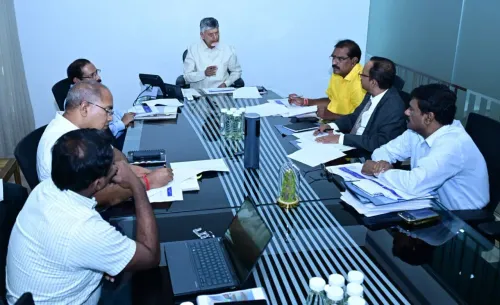
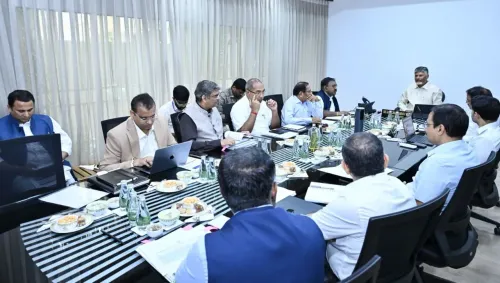
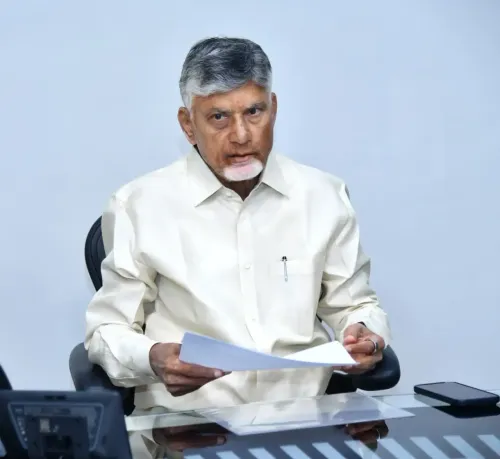
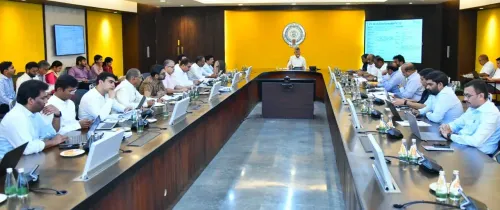
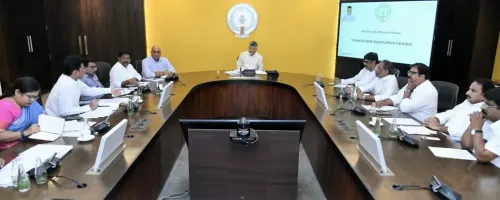
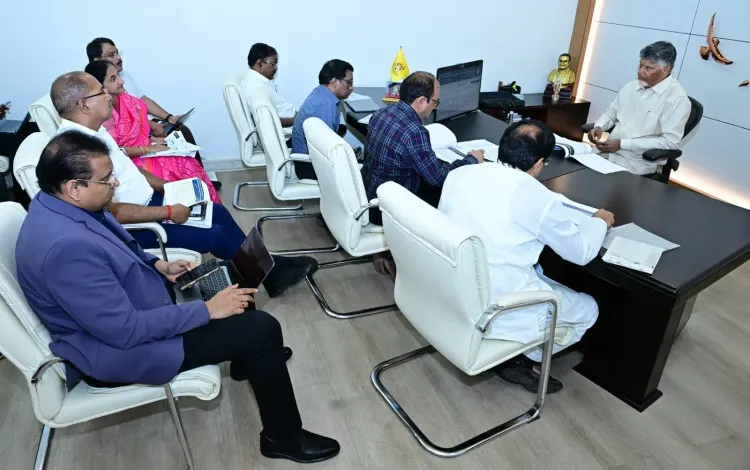
CM Nara Chandrababu Naidu chaired a high-level review on essential commodity price control at his camp office on 21 November 2026 .
Officials have been directed to prepare a one-year action plan addressing price rise and market intervention.
A mandatory weekly review by senior officials has been ordered to ensure continuous price monitoring.
Civil Supplies Minister Nadella Manohar , the Chief Secretary, and senior officials from Civil Supplies, Agriculture, and Horticulture departments attended the meeting.
The Director General of Police joined the session virtually, linking enforcement authority to the price-control agenda.
The move extends AP's established playbook — including Rythu Bazars and civil supplies monitoring cells — into a structured, year-round framework.
Essential commodities are getting expensive — and Andhra Pradesh Chief Minister Nara Chandrababu Naidu has decided the state machinery can no longer respond only when prices spiral. On Saturday, 21 November 2026, Naidu chaired a high-level review at his camp office in Amaravati, directing officials to prepare a comprehensive one-year action plan to tackle price rise in daily essentials and enable swift market intervention.
The Chief Minister's Office posted on X, announcing that Naidu had instructed officials to put in place continuous price monitoring — with a mandatory vāra samīkṣa (weekly review) by senior officers to track fluctuations and respond before they hit household budgets. The directive is unambiguous: watch the markets every single week, without exception.
Who Was in the Room — and Why It Matters
The meeting brought together the state's key administrative levers under one roof. Civil Supplies Minister Nadella Manohar attended in person alongside Chief Secretary Sai Prasad and senior officials from the Civil Supplies, Agriculture, and Horticulture departments. The Director General of Police also joined the session — virtually — signalling that enforcement against hoarding and black-marketing is squarely part of the plan.
That combination of departments is deliberate. Price spikes in essentials rarely have a single cause: a supply chain breakdown in agriculture, a storage shortfall in civil supplies, or distribution gaps in horticulture can each push retail prices upward. Bringing all three departments to the same table is the state's way of attacking the problem from multiple ends simultaneously.
A Plan Rooted in AP's Own Playbook
Naidu's governments have used institutional mechanisms to stabilise essential-commodity prices before. The Rythu Bazars — farmer-to-consumer direct marketing yards established under earlier Naidu tenures — were explicitly designed to cut middlemen and keep vegetable and fruit prices in check. The Andhra Pradesh Civil Supplies Department has historically operated price monitoring cells in coordination with agriculture agencies to address supply-side bottlenecks, particularly after monsoon disruptions or ahead of peak festival demand.
The current directive extends that logic into a structured, year-long framework — moving from ad hoc crisis response to a continuous watch system with weekly accountability built in. That accountability clause — officials must review every week — is designed to prevent the machinery from going quiet once an immediate price shock passes.
What the One-Year Plan Is Expected to Cover
While the full details of the action plan are yet to be formalised, the scope implied by the departments represented at the meeting is broad: price monitoring of rice, pulses, edible oils, and vegetables; market intervention mechanisms when retail prices cross trigger thresholds; and coordination between civil supplies and law enforcement to check artificial scarcity.
State governments across India typically escalate such reviews when food inflation remains persistently elevated or when supply chains face seasonal stress. The inclusion of the DGP in the review is a sharper signal than routine price-monitoring meetings — it ties enforcement authority directly to the price-control agenda.
A year-long plan with weekly reviews means the government is betting not on a one-time intervention, but on building a habit of vigilance. Whether the machinery sustains that rhythm beyond the first month will be the real test.
Point of View
The government is embedding accountability into the machinery rather than leaving price control to episodic crisis management. This fits a broader pattern in Naidu's administrative style — using institutional rhythm and inter-departmental coordination to pre-empt problems. The one-year horizon also suggests the government recognises that food inflation in AP is a structural concern, not a seasonal blip. The real measure of ambition here will be whether the weekly review cadence survives beyond the first quarter of implementation.
NationPress
21 Nov 2026
Frequently Asked Questions
What did CM Chandrababu Naidu announce about essential commodity prices in AP?
On 21 November 2026, CM Chandrababu Naidu directed officials to prepare a one-year action plan to control essential commodity price rise and enable market intervention, with mandatory weekly reviews by senior officers.
Which departments were involved in the AP price control review meeting?
The Civil Supplies, Agriculture, and Horticulture departments participated, along with Civil Supplies Minister Nadella Manohar, the Chief Secretary, and the Director General of Police who joined virtually.
What is the Andhra Pradesh Civil Supplies Department's role in price control?
The AP Civil Supplies Department is the state agency responsible for procuring, storing, and regulating prices of daily necessities such as rice, pulses, and edible oils, and is central to any market intervention plan.
Why was the DGP included in Andhra Pradesh's essential commodities review?
The Director General of Police's inclusion signals that law enforcement will play a role in the action plan, likely to check hoarding and black-marketing of essential goods alongside administrative price monitoring.
What is a Rythu Bazar and how does it help control prices in Andhra Pradesh?
Rythu Bazars are government-run farmer-to-consumer direct marketing yards established under earlier Naidu governments to cut out middlemen and keep vegetable and fruit retail prices in check for consumers.