Army Hospital performs Deep Brain Stimulation surgery on soldier with Parkinson's
Synopsis
A 33-year-old serving soldier with young-onset Parkinson's disease has received a Deep Brain Stimulation surgery at Army Hospital (Research & Referral) in New Delhi — a procedure that costs up to ₹18 lakh in civilian hospitals. The Ministry of Defence approved it for a non-service-related condition, signalling a significant welfare commitment and spotlighting the advanced neurosurgical capabilities now within India's military healthcare system.
Key Takeaways
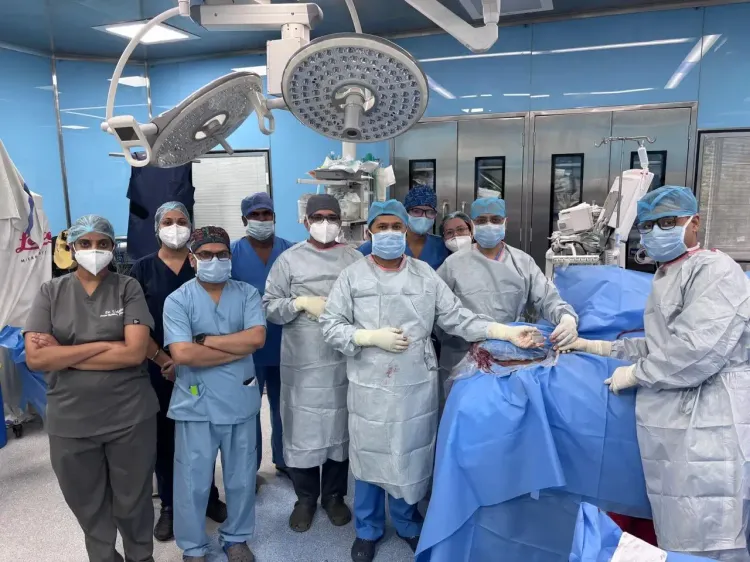
Army Hospital (Research & Referral) , New Delhi , successfully performed a Deep Brain Stimulation (DBS) surgery on a 33-year-old serving soldier with young-onset Parkinson's disease .
DBS delivers electrical pulses to the Subthalamic Nucleus and can extend symptom-free periods to up to 24 hours a day .
The procedure costs between ₹12 lakh and ₹18 lakh in civilian hospitals; the Ministry of Defence approved funding for the soldier despite it being a non-service-related condition.
Neither medication nor DBS cures Parkinson's, but the combination can enable younger patients to lead near-normal, independent lives.
The Ministry of Defence called the surgery a reflection of 'expertise, multidisciplinary teamwork and commitment' of the Armed Forces Medical Services .
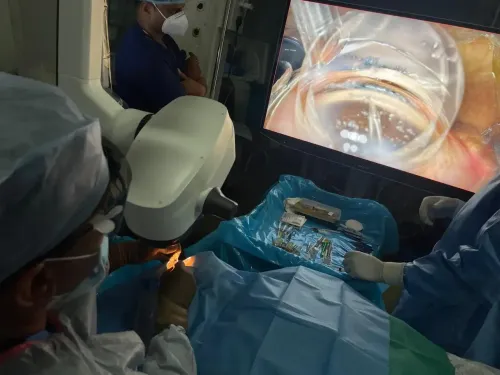
Army Hospital (Research & Referral) in New Delhi has successfully carried out an advanced Deep Brain Stimulation (DBS) surgery on a 33-year-old serving soldier diagnosed with young-onset Parkinson's disease, offering him renewed prospects of improved motor control, independence, and quality of life. The procedure, approved by the Ministry of Defence, marks a significant demonstration of the welfare support extended to Armed Forces personnel even for non-service-related conditions.
Understanding Parkinson's and Its Challenges
Parkinson's disease is a progressive neurological condition characterised by increasing slowness of movement, limb stiffness, and tremors. In advanced stages, patients become dependent on external assistance for routine daily tasks.
Oral medications can initially extend symptom-free 'ON' periods, but patients gradually develop resistance, causing those windows to shrink while dosage ceilings prevent further increases. Drug side effects compound the difficulty, leaving surgical intervention as the next viable option for many patients.
How Deep Brain Stimulation Works
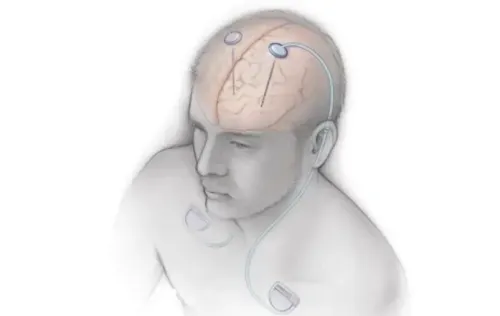
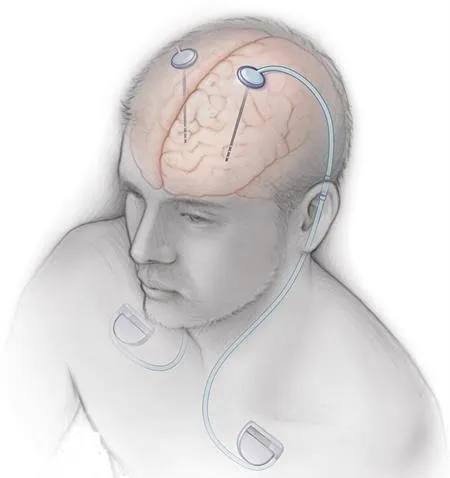
Deep Brain Stimulation delivers measured electrical pulses to the Subthalamic Nucleus, a deep-seated brain structure measuring roughly 5 millimetres. During the multi-stage procedure, neurosurgeons first pinpoint the Subthalamic Nucleus using high-resolution MRI scans. Two small openings are then made on either side of the skull to implant fine electrodes into the target nucleus.
These electrodes are connected via subcutaneous leads to an internal pulse generator — essentially a pacemaker — placed beneath the skin near the collarbone. The setup leaves no visible external hardware. By combining controlled electrical stimulation with reduced medication dosages, the therapy can extend a patient's symptom-free state to, in some cases, up to 24 hours a day.
Neurosurgeons note that while neither medication nor DBS cures Parkinson's disease, carefully calibrating electrical pulses alongside drug therapy enables younger patients to lead near-normal, independent lives.
Cost Barrier in Civilian Healthcare
In civilian hospitals, DBS surgery typically costs between ₹12 lakh and ₹18 lakh, placing it beyond the reach of many patients. The Ministry of Defence's approval of the high-cost procedure for a serving soldier suffering from a non-service-related neurological condition underscores the breadth of medical welfare the Armed Forces extend to their personnel.
This is notably significant because young-onset Parkinson's — affecting individuals below the age of 40 — is relatively rare, and access to advanced neurosurgical care at this stage can substantially alter long-term outcomes.
What the Defence Ministry Said
The Ministry of Defence said in a statement: 'The procedure reflects the expertise, multidisciplinary teamwork and commitment of the Armed Forces Medical Services to providing world-class healthcare to its personnel.' The ministry did not disclose the soldier's identity or specific regiment in keeping with standard protocol.
Significance for Armed Forces Healthcare
The successful surgery highlights the growing capabilities of Army Hospital (Research & Referral), widely regarded as one of India's premier tertiary-care military hospitals. The case is expected to serve as a clinical reference point for future DBS interventions within the Armed Forces Medical Services. As awareness of young-onset Parkinson's grows, the availability of such procedures within the military healthcare system could expand access for other serving personnel facing similar diagnoses.
Point of View
And the military's willingness to cover ₹12–18 lakh for a 33-year-old soldier sets a welfare precedent worth scrutinising. The question that follows naturally is whether this was an exception or the beginning of a broader protocol. If it is the former, the optics are good but the policy impact is limited; if it is the latter, it marks a meaningful expansion of Armed Forces healthcare entitlements that deserves public and parliamentary attention.
NationPress
14 Nov 2026
Frequently Asked Questions
What is Deep Brain Stimulation surgery and how does it help Parkinson's patients?
Deep Brain Stimulation (DBS) is a neurosurgical procedure that implants electrodes in the Subthalamic Nucleus of the brain, delivering controlled electrical pulses to reduce Parkinson's symptoms such as tremors, stiffness, and slowness. Combined with reduced medication, it can extend a patient's symptom-free period to up to 24 hours a day, enabling a near-normal, independent life.
Why is this DBS surgery at Army Hospital significant?
The surgery is significant because the Ministry of Defence approved a high-cost procedure — costing ₹12–18 lakh in civilian hospitals — for a serving soldier whose Parkinson's disease was not caused by military service. It demonstrates the breadth of welfare support the Armed Forces extend to personnel beyond service-related conditions.
What is young-onset Parkinson's disease?
Young-onset Parkinson's disease refers to Parkinson's diagnosed in individuals below the age of 40. It is relatively rare and can progress differently from late-onset cases; early access to advanced treatments like DBS can substantially improve long-term quality of life and independence.
How much does Deep Brain Stimulation surgery cost in India?
In civilian healthcare facilities in India, DBS surgery typically costs between ₹12 lakh and ₹18 lakh, making it financially inaccessible for many patients. The Army Hospital performed the procedure as part of the Ministry of Defence's healthcare provisions for Armed Forces personnel.
Does Deep Brain Stimulation cure Parkinson's disease?
No, DBS does not cure Parkinson's disease, nor does medication. However, neurosurgeons note that carefully calibrating electrical pulses with drug therapy can allow younger patients to manage symptoms effectively and lead near-normal, independent lives.