Indian Army takes 15 specially abled children to Golden Pagoda in Arunachal
Synopsis
The Indian Army's Red Shield Gunners took 15 specially abled children from a Tinsukia home to Arunachal Pradesh's Golden Pagoda — a rare cultural outing blending Buddhist heritage, recreational joy, and the Army's quiet but consistent community-building work in India's northeastern border belt.
Key Takeaways
The Indian Army's Red Shield Gunners (under Spear Corps ) organised the visit on 16 July .
15 specially abled children and 8 staff members from Navarupantar Children Home, Rupai, Tinsukia participated.
The destination was the Golden Pagoda in Namsai district, Arunachal Pradesh — a prominent Buddhist landmark in the Northeast.
Children explored the pagoda complex, learned about Buddhist traditions, and took part in recreational activities with Army personnel.
The initiative aimed to promote inclusion, confidence, and social interaction among specially abled children in border communities.
The Indian Army organised an educational and recreational visit for 15 specially abled children from Assam to the Golden Pagoda in Namsai district, Arunachal Pradesh, as part of a community outreach initiative, officials confirmed on Thursday, 16 July. The programme was conducted by the Red Shield Gunners under the Spear Corps and included eight staff members from Navarupantar Children Home in Rupai, Tinsukia district, Assam.
About the Golden Pagoda
Situated in Namsai district, the Golden Pagoda is among the Northeast's most recognised Buddhist landmarks, celebrated for its distinctive golden architecture, peaceful surroundings, and deep cultural and spiritual significance. The site draws visitors from across the region and serves as an important symbol of Buddhist heritage in Arunachal Pradesh.
What the Children Experienced
During the visit, the children explored the pagoda complex and received guided exposure to its history, Buddhist traditions, and values of peace, compassion, and harmony. Army personnel accompanied the group throughout, ensuring safety and comfort while making the outing both educational and enjoyable.
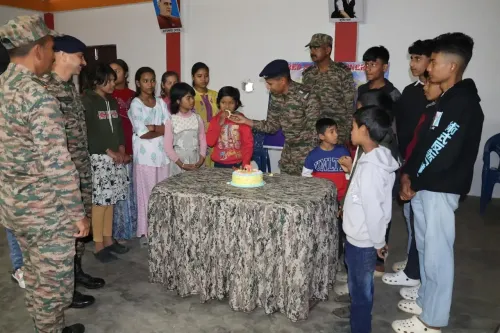
Beyond the monument tour, the children took part in recreational activities, interacted with Army personnel, clicked photographs, and spent time in the tranquil surroundings of the pagoda. Officials noted that the initiative was designed to give the children an enriching experience well beyond their everyday routine.
Aim: Inclusion and Holistic Development
The Army said the programme aimed to promote inclusion, confidence, and social interaction among the participating children. The outing encouraged curiosity and joyful learning by introducing the children to a culturally significant destination they might not otherwise have had the opportunity to visit.
Officials added that such initiatives also help strengthen social bonds and create lasting memories — reflecting the Army's broader commitment to the welfare and holistic development of specially abled individuals. The visit is part of a continuing series of community engagement efforts by the Army in the border areas of Northeast India.
Army's Role in Northeast Community Outreach
This initiative is consistent with the Indian Army's longstanding approach of using civil-military interaction to foster goodwill in sensitive border regions. Programmes targeting children, schools, and marginalised communities have been a recurring feature of the Army's outreach in Arunachal Pradesh and Assam. Notably, such visits serve a dual purpose: providing direct benefit to participants while reinforcing the Army's presence as a constructive community partner in the Northeast.
Point of View
High-visibility work that builds durable goodwill in border areas where civil-military relations matter strategically. What mainstream coverage often misses is that these programmes are not ad hoc — they are part of a structured Spear Corps outreach calendar, suggesting institutional intent rather than one-off charity. The real measure of impact, however, lies in whether such initiatives connect to longer-term support systems for these children, or remain memorable one-day events.
NationPress
15 Oct 2026
Frequently Asked Questions
Which Army unit organised the Golden Pagoda visit for specially abled children?
The visit was organised by the Red Shield Gunners under the aegis of the Spear Corps of the Indian Army. The programme took place on 16 July and covered 15 specially abled children and 8 staff members from Navarupantar Children Home in Tinsukia, Assam.
Where is the Golden Pagoda located and why is it significant?
The Golden Pagoda is located in Namsai district, Arunachal Pradesh. It is one of the Northeast's most prominent Buddhist landmarks, known for its golden architecture, serene environment, and cultural importance as a centre of Buddhist heritage in the region.
Who were the participants in the Indian Army's outreach visit?
The participants were 15 specially abled children and 8 staff members from Navarupantar Children Home at Rupai in Assam's Tinsukia district. Army personnel accompanied the group throughout the visit to ensure safety and comfort.
What was the purpose of the Indian Army's educational tour to the Golden Pagoda?
The initiative aimed to provide specially abled children with an enriching cultural experience beyond their daily routine, promoting inclusion, confidence, and social interaction. Officials said such programmes reflect the Army's commitment to inclusive development and community goodwill in Northeast India's border areas.
How does this visit fit into the Indian Army's broader outreach in the Northeast?
The Golden Pagoda visit is part of a continuing series of civil-military community engagement programmes run by the Indian Army in Arunachal Pradesh and Assam. Such initiatives are designed to foster goodwill and strengthen social bonds in sensitive border regions of Northeast India.