Army Northern Command joins J&K drug fight: 900 arrests, ₹48 crore assets seized
Synopsis
The Army's Northern Command has wrapped up a 100-day anti-drug blitz in Jammu and Kashmir with numbers that demand attention: over 900 arrests, ₹48 crore in seized assets, 16.37 lakh awareness events, and AI-powered drone interception. The campaign's pivot from pure enforcement to rehabilitation — backed by 7,000 women's committees — marks a structural shift in how the security establishment is approaching the narcotics crisis in the union territory.
Key Takeaways
Army's Northern Command reaffirmed coordination with J&K residents to combat drugs on 16 June .
The 100-day Nasha Mukt J&K Abhiyan reached over one crore citizens through 16.37 lakh awareness events.
Over 850 FIRs filed under the NDPS Act ; more than 900 drug peddlers and smugglers arrested.
Narco syndicate operations led to attachment of properties worth over ₹48 crore .
7,000 women's committees formed and 20 senior officers appointed as District Mentors for grassroots engagement.
AI-based surveillance and night-vision devices deployed to intercept drone-dropped narcotics at the border.
The Indian Army's Northern Command, headquartered at Udhampur, on Tuesday, 16 June reaffirmed its active coordination with the people of Jammu and Kashmir to eradicate the drug menace from the union territory. The statement came as the 100-day Nasha Mukt J&K Abhiyan concluded with significant on-ground results, including over 900 arrests and the seizure of assets worth more than ₹48 crore.
Scale of the Campaign
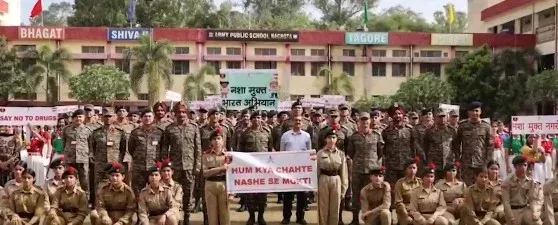
The Nasha Mukt J&K Abhiyan reached over one crore citizens across the union territory through more than 16.37 lakh awareness events held in schools, villages, and Panchayats. To anchor community-level vigilance, 7,000 women's committees were constituted, and 20 senior Army officers were designated as District Mentors to oversee awareness operations at the district level.
Enforcement and Asset Seizures
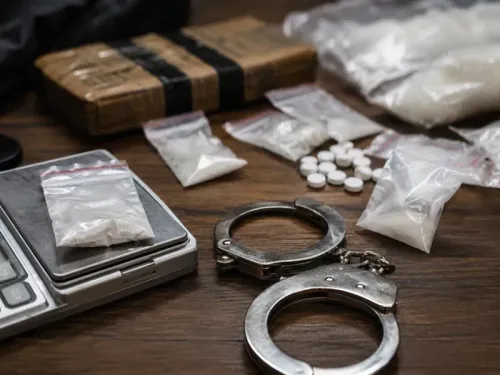
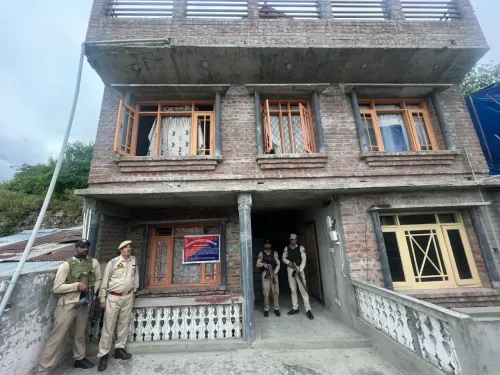
On the law-enforcement front, over 850 FIRs were registered under the Narcotic Drugs and Psychotropic Substances (NDPS) Act, leading to the arrests of more than 900 drug peddlers and smugglers. Targeted operations against narco syndicates resulted in the attachment of immovable and movable properties valued at over ₹48 crore. Security forces also intervened in 49 high-risk drug hotspots identified across the region.
Technology and Border Surveillance
Border surveillance was significantly upgraded during the campaign, with security grids deploying AI-based surveillance systems and night-vision devices to intercept drone-dropped narcotics — a method increasingly used by cross-border smuggling networks. This technological escalation marks a notable shift in counter-narcotics strategy for the region.
Rehabilitation Over Punishment
Beyond arrests, the campaign pivoted toward rehabilitation, with counselling programmes successfully reclaiming thousands of youth from addiction. A dedicated Nasha Mukt J&K Portal was also launched to improve public access to de-addiction courses, counselling services, and peer support systems. The focus on rehabilitation alongside enforcement signals a dual-track approach to the drug crisis.
Launch and Government Backing
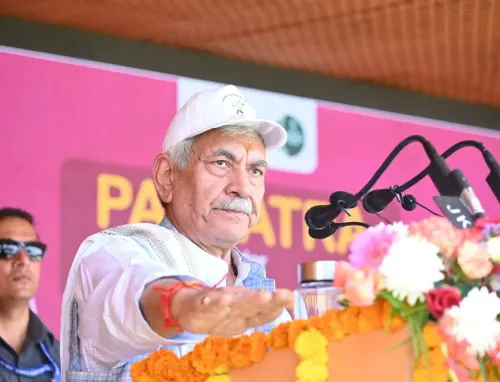
The 100-day campaign was inaugurated on 6 April by Lieutenant Governor Manoj Sinha, who announced additional punitive measures including the cancellation of passports, driving licences, Aadhaar cards, and vehicle registration certificates linked to those caught in the anti-drug drive. This comes amid sustained concerns about narcotics infiltration through Jammu and Kashmir's porous borders, with drone-based smuggling having emerged as a critical security challenge in recent years. The campaign's scale — touching over a crore citizens — suggests a deliberate effort to shift public perception from passive awareness to active community participation.
Point of View
But the real test lies in sustainability. Campaigns with defined end-dates risk becoming statistical exercises unless enforcement structures and rehabilitation networks outlast the headline window. The deployment of AI surveillance against drone-dropped narcotics is genuinely significant — it reflects how border smuggling has technologically evolved — but one-crore outreach events mean little without longitudinal data on addiction rates. The inclusion of punitive civil measures like Aadhaar and passport cancellation is also legally untested territory that could face judicial scrutiny. Whether this 100-day sprint translates into a permanent institutional posture is the question mainstream coverage has largely skipped.
NationPress
25 Sept 2026
Frequently Asked Questions
What is the Nasha Mukt J&K Abhiyan?
The Nasha Mukt J&K Abhiyan is a 100-day anti-drug campaign launched on 6 April in Jammu and Kashmir, inaugurated by Lieutenant Governor Manoj Sinha. It combined community outreach, law enforcement, border surveillance, and rehabilitation to combat the drug menace across the union territory.
How many arrests were made during the J&K anti-drug campaign?
More than 900 drug peddlers and smugglers were arrested during the campaign, with over 850 FIRs registered under the NDPS Act. Targeted operations also led to the attachment of properties worth over ₹48 crore linked to narco syndicates.
What role did the Army's Northern Command play in the campaign?
The Army's Northern Command coordinated community awareness, deployed senior officers as District Mentors across districts, and upgraded border surveillance using AI-based systems and night-vision devices to intercept drone-dropped narcotics.
What punitive measures were announced alongside arrests?
Lieutenant Governor Manoj Sinha announced the cancellation of passports, driving licences, Aadhaar cards, and vehicle registration certificates of individuals caught in the anti-drug drive, in addition to standard criminal proceedings under the NDPS Act.
How were communities involved in the Nasha Mukt J&K Abhiyan?
Over 16.37 lakh awareness events were held across schools, villages, and Panchayats, reaching more than one crore people. Additionally, 7,000 women's committees were formed to drive grassroots vigilance, and a dedicated portal was launched for de-addiction and counselling access.