Arunachal CM Khandu visits Lekhak Gaon in Dehradun
Synopsis
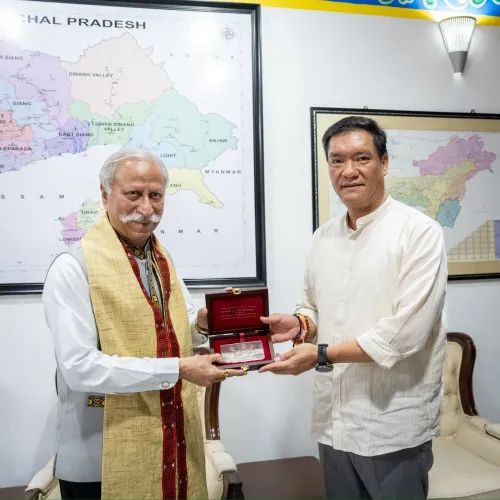
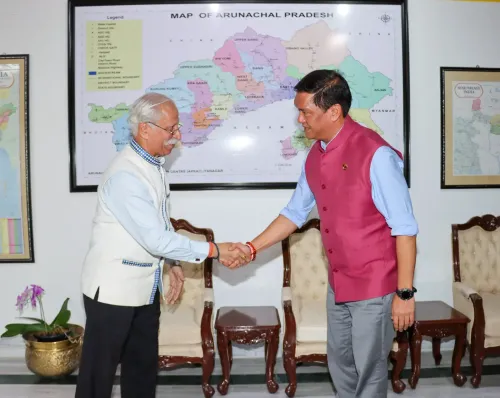
Arunachal Pradesh Chief Minister Pema Khandu visited Lekhak Gaon, the Writers’ Village at Thano in Dehradun, on 27 November 2026. He praised the literary sanctuary inaugurated by former President Ram Nath Kovind in October 2024 and congratulated Ramesh Pokhriyal Nishank.
Key Takeaways
Arunachal Pradesh Chief Minister Pema Khandu visited Lekhak Gaon at Thano, Dehradun on 27 November 2026 .
He described the Writers’ Village as a sanctuary for writers, poets, scholars, researchers, artists and intellectuals from India and abroad.
Khandu said former President Ram Nath Kovind inaugurated the initiative in October 2024 .
He congratulated Dr.
Ramesh Pokhriyal ‘Nishank’ , former Union Education Minister and former Uttarakhand Chief Minister.
Khandu hoped Lekhak Gaon would emerge as a global centre of literary excellence and intellectual exchange.
A writers’ village in the Doon hills drew Arunachal Pradesh Chief Minister Pema Khandu on Friday.
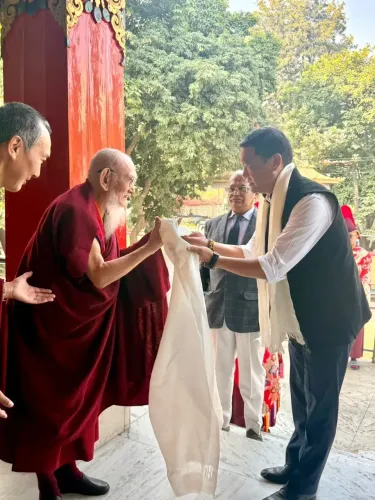
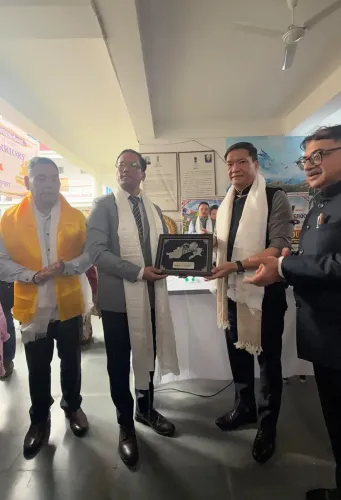
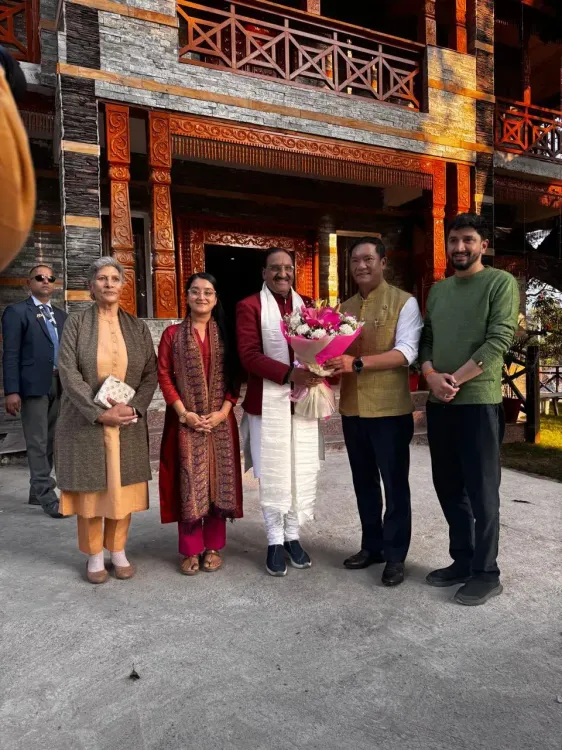
He toured Lekhak Gaon at Thano, Dehradun on 27 November 2026 and praised a campus built for poets, scholars and artists from India and abroad.
In a post on X, Khandu said he was ‘Delighted to visit Lekhak Gaon (Writers’ Village) at Thano, Dehradun,’ calling it a unique initiative dedicated to literary, cultural and intellectual pursuits. He framed the site as a creative sanctuary where writers, poets, scholars, researchers, artists and intellectuals from India and abroad can reflect, exchange ideas and celebrate literature and culture.
Lekhak Gaon at Thano in the Doon valley
The village sits at Thano, on the edge of Uttarakhand’s capital Dehradun. Khandu presented it as more than a ceremonial stop: a working retreat meant to nurture creativity and preserve India’s literary and cultural heritage.
That guest list is the design. Poets beside researchers. Artists beside scholars. A hillside campus that wants conversation, not just plaques.
Kovind’s 2024 inauguration and Nishank’s project
Khandu said the initiative was inaugurated in October 2024 by former President of India Ram Nath Kovind. He offered ‘heartfelt congratulations’ to Dr. Ramesh Pokhriyal ‘Nishank’, former Union Education Minister and former Chief Minister of Uttarakhand, for what he called a visionary initiative.
Nishank led Uttarakhand from 2009 to 2011 and had advanced state-level educational and cultural programmes in that term. Literary villages of this kind have become a recurring Indian tool for heritage work and creative exchange, often sealed with a high-profile inauguration. A chief minister from Arunachal Pradesh touring a Uttarakhand campus also fits a quieter pattern: interstate visits on culture, without a stack of MoUs attached.
A village that wants a global literary map
Khandu’s closing wish was that Lekhak Gaon keep inspiring generations of writers and thinkers and ‘emerge as a global centre of literary excellence and intellectual exchange.’
From the eastern Himalaya to the Doon valley, the visit was a reminder that India’s literary commons still travel when states choose to show up for them.
Point of View
Given extra weight when a former President cuts the ribbon. Nishank’s Uttarakhand education-and-culture years from 2009 to 2011 are the local root; Khandu’s presence from Arunachal is the interstate signal. The test is whether other states try to clone the Writers’ Village model rather than merely applaud it.
NationPress
27 Nov 2026
Frequently Asked Questions
What is Lekhak Gaon in Dehradun?
Lekhak Gaon is a Writers’ Village at Thano in Dehradun, built as a sanctuary for literary, cultural and intellectual work. Arunachal Pradesh Chief Minister Pema Khandu visited the campus on 27 November 2026 and described it as a space for writers, poets, scholars, researchers, artists and intellectuals from India and abroad.
Who inaugurated Lekhak Gaon at Thano?
According to Chief Minister Pema Khandu, former President of India Ram Nath Kovind inaugurated Lekhak Gaon in October 2024. The project is associated with former Union Education Minister and former Uttarakhand Chief Minister Dr. Ramesh Pokhriyal Nishank.
Who is Dr Ramesh Pokhriyal Nishank?
Dr. Ramesh Pokhriyal Nishank is a former Union Education Minister and former Chief Minister of Uttarakhand. He served as the state’s chief minister from 2009 to 2011 and was congratulated by Pema Khandu as the driving force behind Lekhak Gaon.
Why did Pema Khandu visit Dehradun?
Khandu visited Lekhak Gaon at Thano to see the Writers’ Village and publicly congratulate its promoter. He called it a visionary initiative and hoped it would become a global centre of literary excellence and intellectual exchange.
Where is the Writers’ Village Lekhak Gaon located?
Lekhak Gaon is located at Thano, near Dehradun, the capital of Uttarakhand. The site is presented as a creative retreat in the Doon valley for literary and cultural exchange.