Arunachal Pradesh to add 2 medical colleges; Namsai project kicks off
Synopsis
Arunachal Pradesh — a state with just one medical college serving its entire population — is planning two more institutions, with Deputy CM Chowna Mein personally driving talks with a Tamil Nadu healthcare group for the Namsai college under a PPP model. If both projects materialise, the state's medical seat count could more than triple, reshaping healthcare access in India's far northeast.
Key Takeaways
Arunachal Pradesh is planning two new medical colleges — at Namsai and in the West Kameng-Tawang region.
The state currently has only one medical college , TRIHMS at Naharlagun , which recently doubled intake from 50 to 100 MBBS seats .
Deputy CM Chowna Mein met a Tamil Nadu-based healthcare institution on 17 November 2026 to advance the Namsai project.
The proposed Namsai college — Chow Khamoon Namshum Gohain Memorial VELS Medical College — will be established under the PPP model .
The West Kameng-Tawang college is planned with an intake of around 150 students , also under PPP mode .
Both colleges aim to serve remote and underserved areas of the state and reduce outmigration for medical education.
The Arunachal Pradesh government is actively working to establish two new medical colleges in the state, with the Namsai project moving into its early execution phase and a third institution planned for the West Kameng-Tawang region, officials said on Tuesday, 17 November 2026. The push aims to widen medical education access and bolster healthcare infrastructure across one of India's most underserved northeastern states.
Current State of Medical Education
Arunachal Pradesh presently has only one medical college — the Tomo Riba Institute of Health and Medical Sciences (TRIHMS), situated at Naharlagun in Papum Pare district. Over the past two years, TRIHMS has doubled its MBBS intake capacity from 50 seats to 100 seats, marking a meaningful, if modest, improvement in availability. However, with the state's vast geography and dispersed population, demand for medical education and local healthcare access far outstrips existing capacity.
The Namsai Medical College Plan
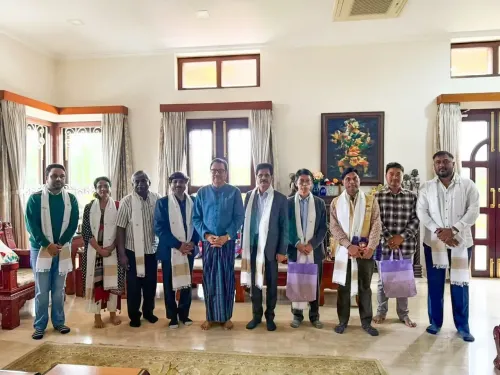
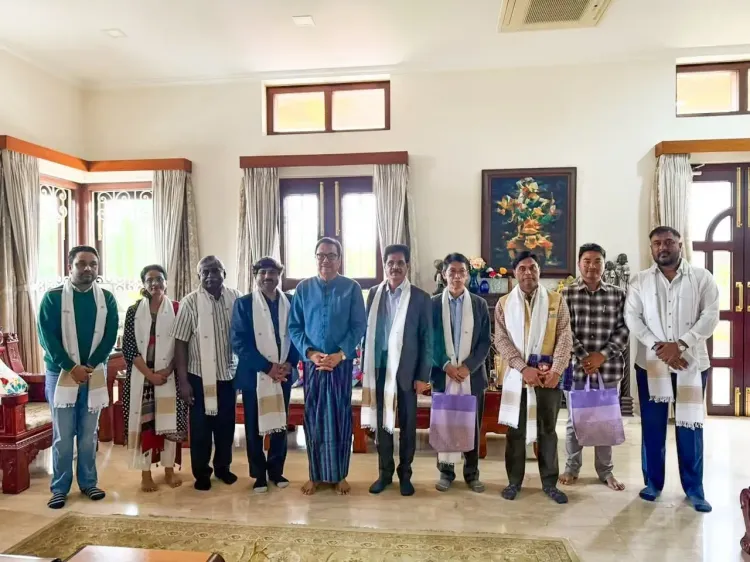
Deputy Chief Minister Chowna Mein, accompanied by senior state government officials, on Tuesday held discussions with representatives of a Tamil Nadu-based healthcare institution regarding the proposed Chow Khamoon Namshum Gohain Memorial VELS Medical College at Namsai in south-eastern Arunachal Pradesh. Construction work at the site is expected to begin shortly, according to officials.
In a post on his X account following the meeting, Deputy CM Mein said the talks covered the college's proposed Public-Private Partnership (PPP) model, augmentation of the existing 100-bedded District Hospital, land allotment, regulatory clearances, and the infrastructure support required to advance the project. 'We will work towards facilitating the necessary approvals and coordination to ensure the timely progress of this important project,' Mein said.
Third College Planned for West Kameng-Tawang
A separate third medical college is being planned for the West Kameng-Tawang region, also under the PPP mode, with a proposed intake capacity of approximately 150 students. This institution, if realised, would serve one of the most remote and strategically sensitive corridors of the state, where access to quality healthcare has historically been limited.
Why This Matters for Arunachal Pradesh
Arunachal Pradesh's healthcare infrastructure faces structural challenges rooted in its mountainous terrain, sparse population density, and the concentration of existing facilities in the capital region. Health officials noted that the planned institutions would create additional pathways for aspiring medical students from the state and reduce outmigration for professional education. 'The initiative aims to strengthen healthcare infrastructure, expand opportunities for medical education and improve access to quality healthcare services across Arunachal Pradesh,' Deputy CM Mein said. Notably, the PPP model signals a strategic shift — the state is leveraging private sector capacity and expertise, particularly from established institutions in southern India, to accelerate expansion it cannot fund entirely from its own fiscal resources.
What Comes Next
The immediate priority is securing regulatory clearances and completing land allotment for the Namsai project, with the government indicating it will actively coordinate approvals. The West Kameng-Tawang institution remains at the planning stage. Health officials expressed confidence that both colleges, once operational, would meaningfully improve healthcare delivery in the state's remote and underserved areas — a goal that has long eluded successive administrations.
Point of View
But it also transfers execution risk to private partners whose commercial calculus may not align with the state's most remote communities. The choice of a Tamil Nadu institution is notable: it reflects a recognition that northeast India lacks the institutional depth to self-supply, but it also raises questions about long-term governance and local embedding. The real test will be whether these colleges, once built, retain faculty and serve students from Arunachal itself — or become degree mills for aspirants from more accessible states.
NationPress
18 Nov 2026
Frequently Asked Questions
How many medical colleges does Arunachal Pradesh currently have?
Arunachal Pradesh currently has only one medical college — the Tomo Riba Institute of Health and Medical Sciences (TRIHMS) at Naharlagun in Papum Pare district. Its MBBS intake capacity has recently been doubled from 50 to 100 seats.
Where will the new medical colleges in Arunachal Pradesh be located?
One college — the Chow Khamoon Namshum Gohain Memorial VELS Medical College — is proposed for Namsai in south-eastern Arunachal Pradesh, with construction expected to begin shortly. A third college is planned for the West Kameng-Tawang region with a proposed intake of around 150 students.
What is the PPP model being used for the Namsai medical college?
The Namsai medical college will be established under a Public-Private Partnership (PPP) model, involving a Tamil Nadu-based healthcare institution. The arrangement covers land allotment, infrastructure support, augmentation of an existing 100-bedded District Hospital, and obtaining regulatory clearances.
Who is leading the Namsai medical college initiative?
Deputy Chief Minister Chowna Mein is leading the initiative. He held a meeting with representatives of the Tamil Nadu-based healthcare institution on 17 November 2026 and subsequently posted about it on his X account, outlining the key areas of discussion.
Why does Arunachal Pradesh need more medical colleges?
The state's vast and mountainous geography, sparse population distribution, and limited existing healthcare infrastructure mean that quality medical education and healthcare services are largely inaccessible to most residents, particularly in remote areas. The new colleges aim to address this by expanding seats and improving local healthcare delivery.