Goyal Meets Magaldi Green Energy MD in Rome on Clean Energy Tie-up
Synopsis
Commerce Minister Piyush Goyal met Magaldi Green Energy MD Letizia Magaldi in Rome on 17 November 2026, discussing India-Italy cooperation on advanced thermal energy storage, industrial efficiency, and sustainable technologies as India pursues its 500 GW clean energy target by 2030.
Key Takeaways
Union Commerce Minister Piyush Goyal met Letizia Magaldi , MD of Magaldi Green Energy , in Rome on 17 November 2026 .
Discussions focused on advanced thermal energy storage , industrial energy efficiency, and sustainable technology adoption.
The meeting advances India's international clean-energy diplomacy as it pursues a 500 GW non-fossil capacity target by 2030 set at COP26.
Magaldi Green Energy is an Italian firm specialising in thermal storage and industrial efficiency solutions relevant to hard-to-decarbonise sectors.
No formal commitments or MoUs have been announced from the meeting; possible follow-up pilot projects remain a watch-point.
The Rome visit fits a broader pattern of India securing European technology partnerships alongside domestic missions like the National Green Hydrogen Mission .
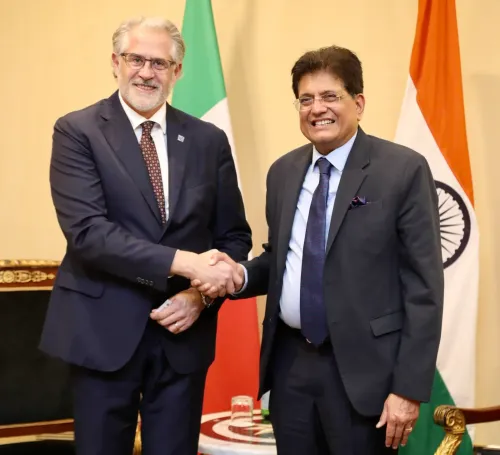
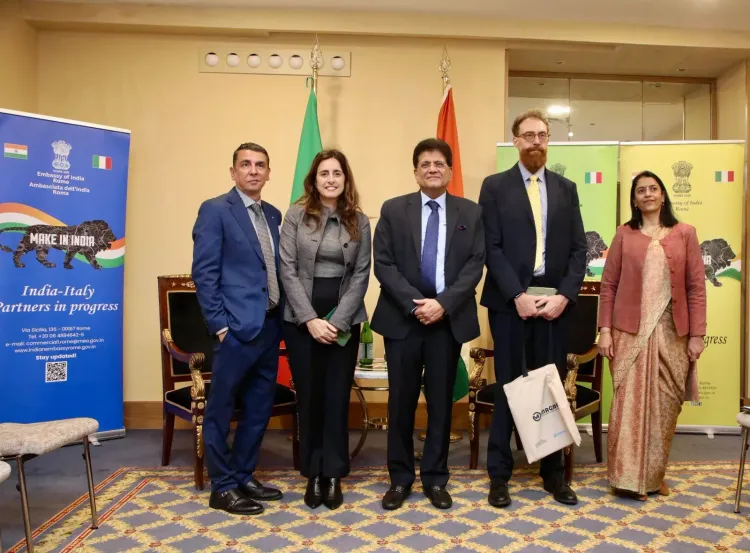
In Rome on Tuesday, 17 November 2026, Union Commerce and Industry Minister Piyush Goyal sat down with Ms. Letizia Magaldi, Managing Director of Italian firm Magaldi Green Energy, for a meeting that put thermal energy storage and industrial efficiency squarely on the India-Italy agenda.
Goyal described the conversation as an exchange of views on 'the potential for India-Italy cooperation in clean energy solutions, with a focus on advanced thermal energy storage, improving industrial energy efficiency and accelerating the adoption of sustainable technologies.' Short on ceremony, long on substance — the meeting signals New Delhi's continued push to bring European deep-tech partnerships into its renewable energy playbook.
Why thermal storage matters to India's 500 GW ambition
India committed at COP26 in 2021 to building 500 GW of non-fossil fuel power capacity by 2030 — a target that demands not just more solar panels and wind turbines, but reliable ways to store and dispatch energy around the clock. That is precisely where thermal energy storage, the core technology of Magaldi Green Energy, becomes strategically relevant. The Italian firm specialises in advanced thermal storage systems and industrial efficiency solutions that can absorb surplus renewable power and release it as heat or electricity on demand.
Industrial heat — the kind needed in steel, cement, and chemicals — accounts for a large share of India's energy consumption and is notoriously hard to decarbonise. Plugging that gap with storage technology, rather than fossil fuels, is a live policy problem in New Delhi. Goyal's Rome meeting suggests the Commerce Ministry is actively scouting European solutions to fill it.
India's widening clean-energy diplomacy with Europe
This encounter fits a recognisable pattern. India has steadily broadened its clean-energy diplomacy with European partners to access storage, green hydrogen, and efficiency technologies that complement domestic programmes like the National Green Hydrogen Mission. Italy — as both a G7 member and a country with strong industrial-machinery and energy-technology sectors — is a natural interlocutor for targeted technology tie-ups.
Goyal's Rome visit reinforces that bilateral engagement at the ministerial level is increasingly used to lay groundwork for concrete deals: pilot projects, joint ventures, or memoranda of understanding between Indian public-sector undertakings and European clean-tech firms. No specific commitments have been announced from this meeting, but the conversation between a senior Cabinet minister and a company MD rarely stays at the level of pleasantries.
What comes next for Magaldi and India
The immediate watch-point is whether the Rome discussion translates into a formal framework — an MoU, a feasibility study, or a pilot thermal-storage project inside an Indian industrial cluster. Magaldi Green Energy's technology portfolio, which spans sand-based thermal energy storage and industrial waste-heat recovery, could find ready applications in India's energy-intensive manufacturing belt.
India's net-zero deadline of 2070 gives the broader goal a long horizon, but the 2030 non-fossil capacity target is close enough to demand action now. Rome, it turns out, may be one of the places where that action quietly begins.
Point of View
Particularly for industrial heat, and sourcing European expertise at the ministerial level accelerates the pipeline from conversation to contract. The meeting also signals that the Commerce Ministry, not just the Power or New and Renewable Energy ministries, is now actively driving clean-energy deal-making abroad. If an MoU or pilot project follows, it would add a concrete deliverable to India-Italy bilateral relations ahead of any future G20 or India-EU engagement.
NationPress
18 Nov 2026
Frequently Asked Questions
What did Piyush Goyal discuss with Magaldi Green Energy in Rome?
Goyal discussed potential India-Italy cooperation on clean energy, specifically advanced thermal energy storage, improving industrial energy efficiency, and accelerating adoption of sustainable technologies.
What is Magaldi Green Energy?
Magaldi Green Energy is an Italian company specialising in advanced thermal energy storage systems and industrial efficiency solutions, including sand-based heat storage and waste-heat recovery technologies.
Why is thermal energy storage important for India?
Thermal energy storage can help India meet its 500 GW non-fossil capacity target by 2030 by storing surplus renewable power and supplying reliable energy to energy-intensive industries that are difficult to electrify directly.
What is India's clean energy target by 2030?
India committed at COP26 in 2021 to achieving 500 GW of non-fossil fuel power capacity by 2030 as part of its broader goal of reaching net zero emissions by 2070.
Did India and Italy sign any agreement after Goyal's Rome meeting?
No formal agreements or MoUs have been announced from this meeting. The discussions were exploratory, with possible follow-up pilot projects or formal frameworks remaining a future watch-point.