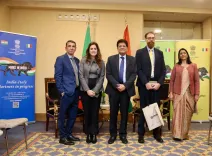
PM Modi lays foundation stone at Manila's Khalsa Diwan Sahib

Synopsis
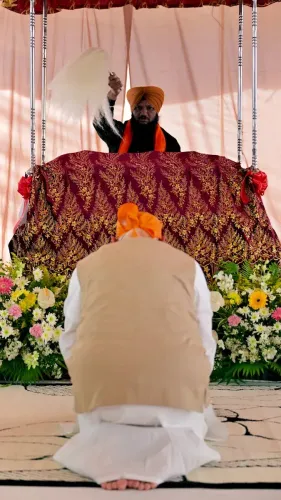
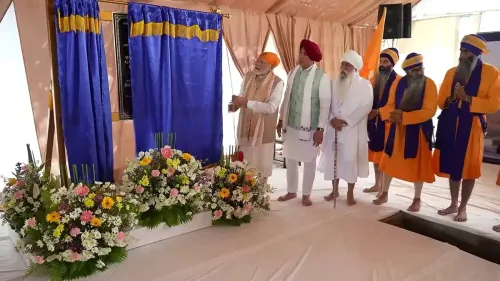
Prime Minister Narendra Modi visited Gurudwara Khalsa Diwan Sahib in Manila and laid the foundation stone for its redevelopment on 17 November 2026, in a move Union Minister C. R. Paatil called a testament to India's commitment to protecting Sikh heritage and cultural identity abroad.
Key Takeaways
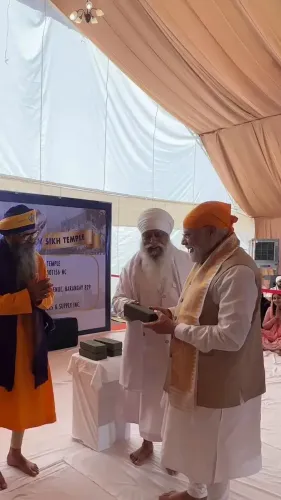
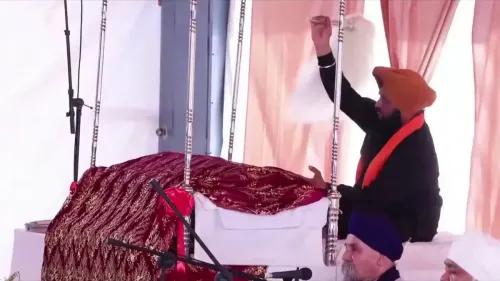
PM Modi visited Gurudwara Khalsa Diwan Sahib in Manila, Philippines on 17 November 2026 .
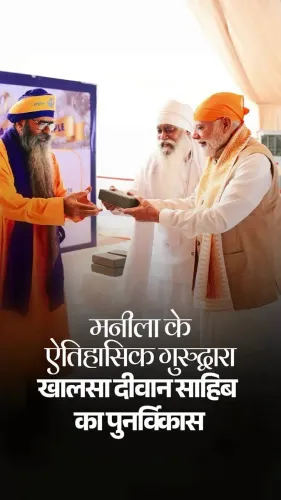
He laid the foundation stone for the gurdwara's redevelopment project , marking a formal Indian commitment to preserving the site.
Union Jal Shakti Minister C.
Paatil hailed the visit as proof of Modi's reverence for Sikh tradition and the Guru Parampara.
The visit fits India's pattern of diaspora outreach during ASEAN visits , underpinning the Act East policy with cultural soft power.
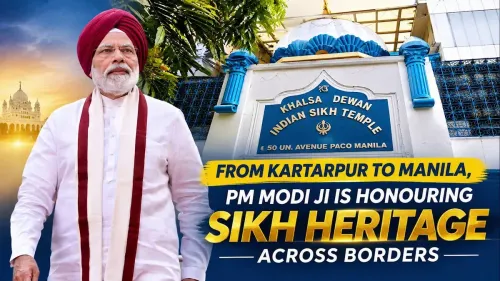
The move echoes the spirit of the Kartarpur Sahib Corridor (2019) , which set a precedent for state-level support of Sikh heritage sites.
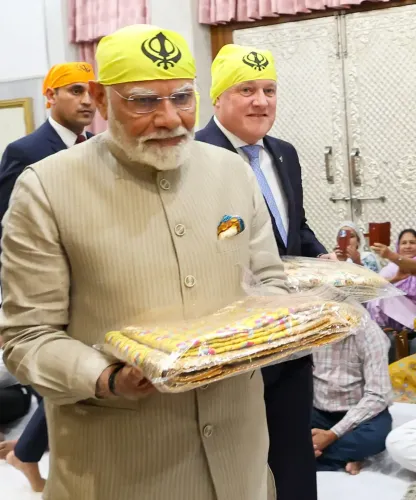
Halfway across the world in Manila, Philippines, Prime Minister Narendra Modi walked through the doors of the historic Gurudwara Khalsa Diwan Sahib — and laid the foundation stone for its redevelopment, in a moment that blended faith, soft power, and India's deepening Act East ambitions into a single gesture. Union Jal Shakti Minister C. R. Paatil hailed the visit on Tuesday, 17 November 2026, opening with the Sikh invocation Bole So Nihal, Sat Sri Akal and closing with Waheguru Ji Ka Khalsa, Waheguru Ji Ki Fateh.
A historic gurdwara, a foundation stone, and what it signals
Gurudwara Khalsa Diwan Sahib is the spiritual anchor of Manila's Sikh diaspora — a community that has kept its identity alive thousands of kilometres from Punjab. The Prime Minister's decision to personally lay the foundation stone for the gurdwara's redevelopment is not incidental. It is a deliberate signal: that India regards the preservation of Sikh sacred spaces overseas as a matter of national cultural responsibility, not just community goodwill.
Minister Paatil described the visit as proof of Modi's 'unshakeable reverence' for the glorious heritage of Sikhism and the great Guru tradition. The redevelopment initiative, he said, is 'an important step in the direction of protecting faith, culture, and spiritual heritage.'
Act East meets diaspora diplomacy
Indian prime ministers have long used visits to gurdwaras and temples abroad to reinforce people-to-people bonds — but the Manila stop carries strategic weight beyond the ceremonial. Philippines sits at the heart of ASEAN, a region India has been courting intensively through its Act East policy, which weaves together economic partnerships, security cooperation, and cultural connectivity.
Reaching the Sikh diaspora in Southeast Asia is part of a broader playbook. The Kartarpur Sahib Corridor, inaugurated in 2019, established the template: preserve Sikh heritage sites, ease pilgrimage, and demonstrate that New Delhi champions the interests of Sikhs wherever they live. Manila's Khalsa Diwan Sahib is now part of that living legacy.
The ideals the Gurus left behind
Minister Paatil closed his post on a philosophical note — that the Sikh Gurus' ideals of service, dedication, and humanity 'will continue to inspire the entire world.' It is a reminder that beyond the politics of diaspora outreach lies a tradition of seva (selfless service) that resonates far beyond any bilateral agenda.
Whether the Manila visit yields formal memoranda on cultural cooperation or support frameworks for Indian religious institutions overseas will be watched closely — but the foundation stone is already laid, in every sense of the phrase.
Point of View
Not merely acknowledge it. For the Philippines bilateral relationship, the gesture adds a people-to-people warmth that official economic agreements alone cannot manufacture. The optics are deliberate: a Prime Minister bowing at a foreign gurdwara sends a message to every Sikh community in ASEAN, well beyond Manila.
NationPress
18 Nov 2026
Frequently Asked Questions
Which gurdwara did PM Modi visit in Manila?
PM Modi visited Gurudwara Khalsa Diwan Sahib in Manila, Philippines — a historic gurdwara that serves the local Sikh diaspora community in the country.
What did PM Modi do at the Manila gurdwara?
PM Modi laid the foundation stone for the redevelopment of Gurudwara Khalsa Diwan Sahib in Manila on 17 November 2026 , marking a formal step toward preserving the site.
Why did C. R. Paatil post about PM Modi's Manila gurdwara visit?
Union Jal Shakti Minister C. R. Paatil posted to hail PM Modi's visit as a reflection of his deep reverence for Sikh heritage and the Guru tradition, and to celebrate the redevelopment initiative as a step toward protecting India's spiritual legacy abroad.
How does the Manila gurdwara visit connect to India's Act East policy?
India's Act East policy combines economic, strategic and people-to-people diplomacy with ASEAN nations. Visiting diaspora religious sites like the Manila gurdwara is part of that framework — building cultural bonds alongside official engagements.
What is India's precedent for supporting Sikh heritage abroad?
The Kartarpur Sahib Corridor , inaugurated in 2019 , is the most prominent example — it was designed to facilitate cross-border Sikh pilgrimage and preserve Sikh heritage, establishing a template for state-backed support of Sikh sacred sites.