Karnataka mid-day meal scheme disrupted, BJP's R. Ashoka slams Congress govt
Synopsis
Karnataka's mid-day meal scheme is reportedly in crisis: BJP Leader of the Opposition R. Ashoka claims schools have gone without rice, cooking oil and pulses for up to ten days, forcing teachers to dip into their own pockets to feed children — a damning allegation against Chief Minister D.K. Shivakumar's Congress government ahead of an assembly session.
Key Takeaways
Karnataka Opposition leader R.
Ashoka on 9 November 2026 accused the Congress government of disrupting the Akshara Dasoha mid-day meal scheme in government schools.
Rice supply disruptions were allegedly caused by technical glitches in the SNS SPARSH payment portal, forcing headmasters to borrow rice from neighbouring schools.
Several schools have reportedly been without cooking oil and pulses for eight to ten days .
Teachers have allegedly been spending personal funds and buying groceries on credit to prevent children from missing meals.
Ashoka questioned why funds were available for guarantee scheme advertisements but not for providing two meals a day to poor children.
The Congress government has not yet issued an official response to the allegations.
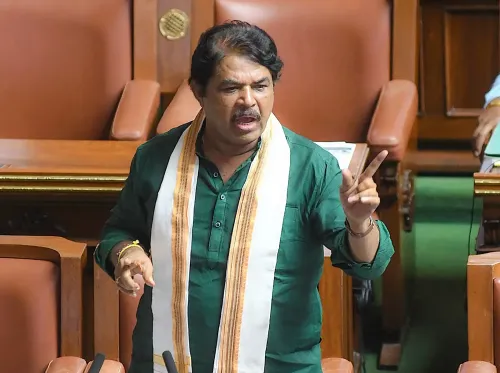
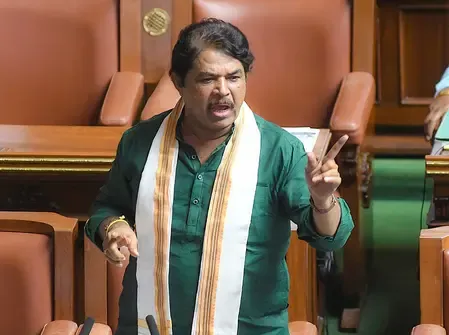
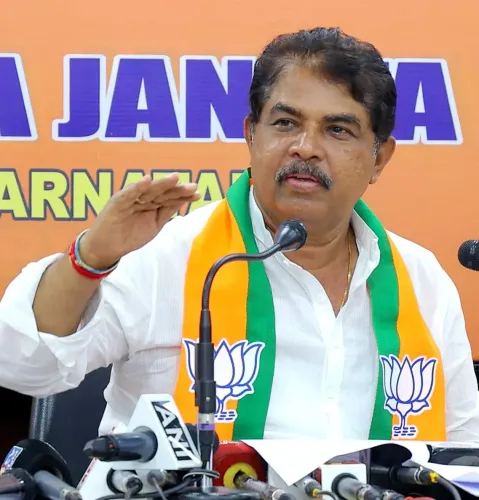
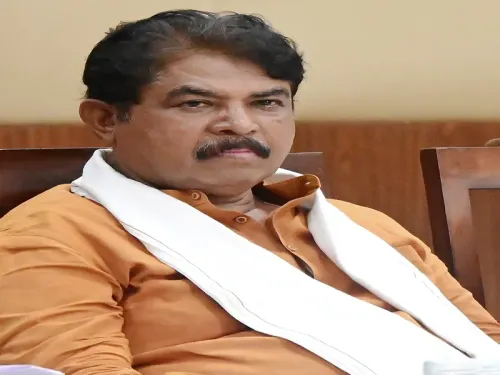
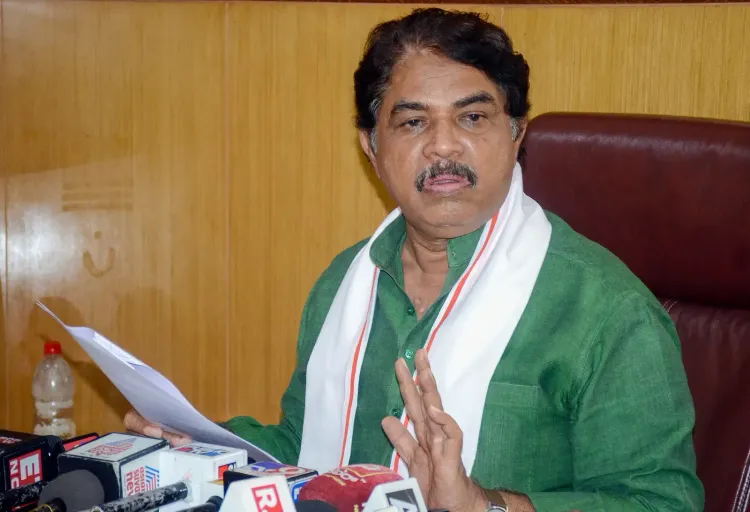
Karnataka Leader of the Opposition R. Ashoka on Monday, 9 November 2026, accused the Congress-led state government of failing to ensure uninterrupted supply of essential food commodities under the Akshara Dasoha mid-day meal scheme in government schools across Karnataka, alleging that poor children are being deprived of nutritious meals owing to systemic administrative lapses.
What Ashoka Alleged
Ashoka stated that rice supplies to schools had been disrupted due to technical glitches in the payment system and delays in the SNS SPARSH portal. He alleged that headmasters were being forced to borrow rice from neighbouring schools simply to serve meals to children — a situation he described as an indicator of the government's deep administrative failure.
He further alleged that several schools had gone without cooking oil and pulses for the past eight to ten days, depleting kitchen stocks entirely and making it impossible to prepare adequate meals. According to Ashoka, teachers and school staff were personally arranging food supplies — in some cases spending money from their own pockets or purchasing groceries on credit from local shops — to prevent children from missing meals.
Ashoka's Criticism of Chief Minister Shivakumar
Addressing Chief Minister D.K. Shivakumar directly, Ashoka questioned why the government could spend hundreds of crores of rupees publicising its guarantee schemes but was unable to guarantee two meals a day for poor children enrolled in government schools. He drew a sharp contrast between the funds reportedly available for government advertisements and the apparent inability to procure rice, pulses, and cooking oil for the mid-day meal programme.
'A government that came to power promising guarantee schemes also has the responsibility of guaranteeing mid-day meals to children from poor families,' Ashoka said, adding that no government should be so indifferent as to deprive poor children of food.
Broader Governance Concerns Raised
Ashoka framed the mid-day meal disruption as part of a wider pattern of administrative breakdown, alleging that the state government was simultaneously facing a shortage of funds for development works, delays in farmer assistance, and failures in paying government employees' salaries on time. He argued that the Akshara Dasoha scheme — designed specifically to address child hunger in government schools — had become collateral damage in the Congress government's governance failures.
Notably, the diversion of teachers' energy and income toward food procurement, rather than teaching, points to a systemic gap: when supply-chain systems fail, the burden falls on frontline workers with no institutional recourse.
Demands and What Comes Next
Ashoka demanded that the government take immediate steps to restore the uninterrupted supply of rice, pulses, cooking oil, and other essential food commodities to schools. He also called for swift resolution of the technical issues in the payment system and urged the removal of the additional burden placed on teachers. The Congress government is yet to issue an official response to the allegations. The developments are likely to draw further scrutiny as the Karnataka assembly session approaches.
Point of View
If verified, is not just an administrative slip — it is a failure at the most basic level of welfare delivery. Karnataka's Congress government rode to power on a platform of guarantees, and the optics of schools running out of rice while the government spends hundreds of crores on advertising those very guarantees is politically devastating. Critically, the SNS SPARSH system was meant to digitise and streamline food disbursements; a technical glitch exposing its fragility raises questions about whether the state's digital infrastructure for welfare schemes is adequately stress-tested. The larger issue mainstream coverage may underweight: when frontline teachers absorb supply-chain failures out of their own salaries, the data never shows up in official scheme performance metrics — making structural gaps invisible to policymakers.
NationPress
9 Nov 2026
Frequently Asked Questions
What is the Akshara Dasoha scheme in Karnataka?
Akshara Dasoha is Karnataka's government-run mid-day meal programme designed to provide nutritious meals to children enrolled in government schools, specifically aimed at addressing child hunger and improving school attendance. The scheme has come under scrutiny following allegations of supply disruptions affecting rice, cooking oil, and pulses.
What disruptions has BJP's R. Ashoka alleged in Karnataka schools?
R. Ashoka alleged that Karnataka government schools have been without cooking oil and pulses for eight to ten days, while rice supplies were disrupted due to technical glitches in the SNS SPARSH payment system. He claimed headmasters were borrowing rice from neighbouring schools and teachers were spending personal money to feed students.
Why is the SNS SPARSH system being blamed for the shortage?
The SNS SPARSH portal is used to process payments and manage the food supply chain for mid-day meal programmes in Karnataka. Ashoka alleged that technical glitches and payment delays in the system caused rice supply disruptions to schools, leaving kitchen stocks depleted.
What has Ashoka demanded from the Karnataka government?
Ashoka has demanded the immediate restoration of uninterrupted supply of rice, pulses, cooking oil, and other essential commodities to schools. He also called for resolution of technical issues in the payment system and an end to the additional burden being placed on teachers to arrange food supplies.
Has the Karnataka government responded to these allegations?
As of 9 November 2026, the Congress-led Karnataka government had not issued an official response to R. Ashoka's allegations regarding the mid-day meal scheme disruptions. Chief Minister D.K. Shivakumar was directly addressed by Ashoka in his statement, but no rebuttal had been reported.