CM Himanta Announces ₹25,000 Each to 15,000 Karbi Folk Artistes
Synopsis
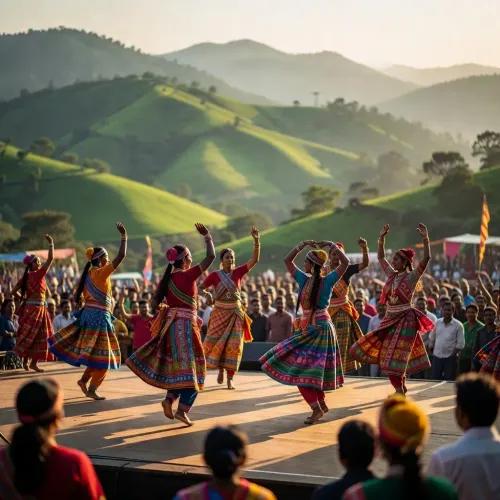
Chief Minister Himanta Biswa Sarma has announced ₹25,000 each for 15,000 artistes who performed the traditional Karbi folk dance Nimso Kerung in Karbi Anglong, setting a Guinness World Record — a total outlay of ₹37.5 crore to grass-roots tribal performers.
Key Takeaways
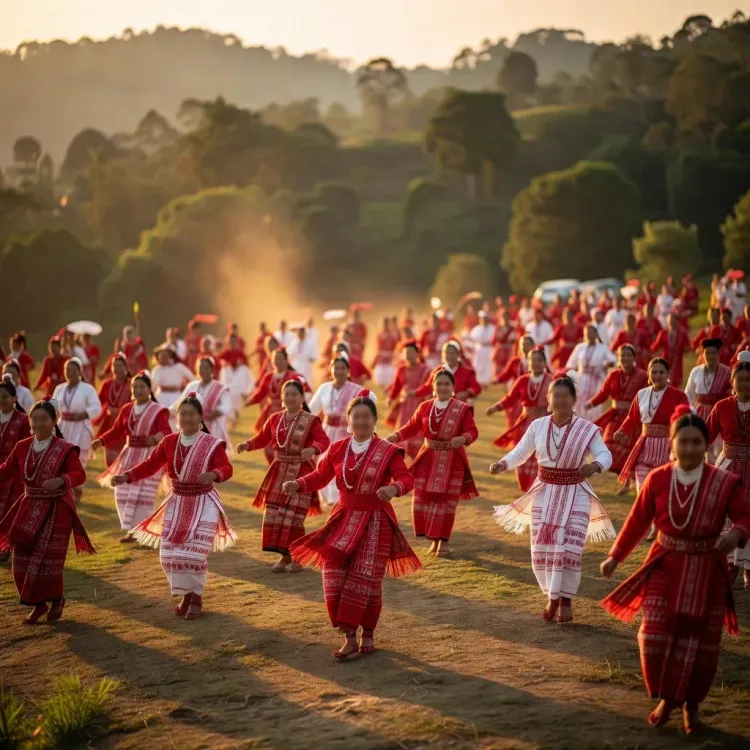
15,000 artistes performed the traditional Karbi folk dance Nimso Kerung in Karbi Anglong , setting a Guinness World Record .
Himanta Biswa Sarma announced ₹25,000 in financial assistance to each participating artiste.
The total state outlay amounts to ₹37.5 crore directed to grass-roots tribal folk performers.
The Nimso Kerung is a ceremonial folk dance of the Karbi community , central Assam's primary tribal group in the hill districts.
The event reflects Assam's broader pattern of using record-setting cultural performances to document and publicise indigenous tribal heritage.
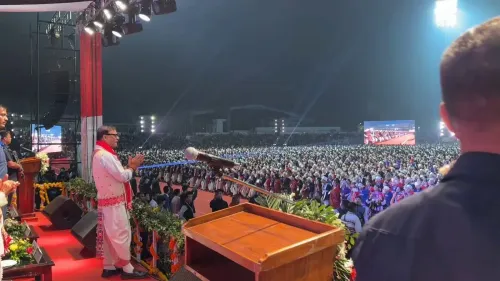
Fifteen thousand voices, one ancient rhythm — and now, a world record. The Chief Minister's Office of Assam announced on Tuesday, 17 November 2026, that Chief Minister Dr. Himanta Biswa Sarma has sanctioned ₹25,000 in financial assistance to each of the 15,000 artistes who performed the traditional Nimso Kerung folk dance in Karbi Anglong, setting a Guinness World Record.
A Guinness moment in the hills of Karbi Anglong
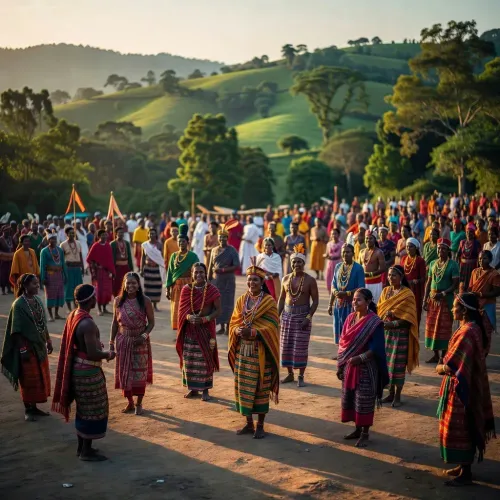
Karbi Anglong, a hill district in central Assam primarily inhabited by the Karbi community, is home to some of the Northeast's most distinct tribal traditions. The Nimso Kerung — a ceremonial folk dance performed during festivals and community gatherings — has long been a living thread of Karbi identity. Mobilising 15,000 artistes for a single simultaneous performance elevated that tradition onto the world stage, earning the district a place in the Guinness World Records.
₹37.5 crore flowing to grass-roots performers
The financial commitment adds up fast: ₹25,000 multiplied across 15,000 participants means a total outlay of ₹37.5 crore directed straight to individual folk artistes. For performers in a predominantly tribal hill district, that assistance is not a token gesture — it is a meaningful cash transfer to grass-roots cultural workers who seldom appear on mainstream arts-funding rolls. Dr. Himanta Biswa Sarma's government has framed financial support to indigenous performers as part of its broader push to sustain folk arts under pressure from urbanisation across the Northeast.
Assam's pattern of using records to protect heritage
This is not an isolated move. Assam governments have periodically staged large-scale performances of indigenous dances — not just for spectacle but to document and publicise tribal heritage at the national level. Record-setting events create an archive and a platform simultaneously, forcing mainstream attention onto traditions that might otherwise retreat quietly. The Karbi Anglong Nimso Kerung event fits squarely into that pattern, using the universal currency of a world record to make a case for cultural preservation that travels well beyond the district.
The immediate question now is disbursement: how quickly the ₹25,000 per artiste reaches each of the 15,000 performers will determine whether the announcement translates into lasting goodwill — or becomes a headline that outlives the cheques.
Point of View
The Himanta Biswa Sarma government converts a moment of spectacle into a welfare delivery story — giving it legs beyond a single news cycle. The move also signals that Assam's cultural-promotion strategy is shifting from ceremonial recognition alone toward tangible economic acknowledgement of grass-roots artistes. Whether the disbursement is swift and verifiable will be the real test of whether this sets a replicable model for other tribal districts in the Northeast.
NationPress
17 Nov 2026
Frequently Asked Questions
What is the Nimso Kerung dance?
The Nimso Kerung is a traditional ceremonial folk dance of the Karbi community of central Assam, performed during festivals and community gatherings as a central expression of Karbi cultural identity.
How much financial assistance did Assam CM announce for Nimso Kerung artistes?
CM Dr. Himanta Biswa Sarma announced ₹25,000 in financial assistance to each of the 15,000 artistes who performed the dance, totalling ₹37.5 crore .
What Guinness World Record did the Karbi Anglong event set?
The simultaneous performance of the traditional Nimso Kerung folk dance by 15,000 artistes in Karbi Anglong was recognised with a Guinness World Record , according to the Chief Minister's Office of Assam.
Where is Karbi Anglong located?
Karbi Anglong is a hill district in central Assam , predominantly inhabited by the Karbi tribal community and known for its distinct indigenous folk traditions.
Why does Assam organise large-scale folk dance performances?
The Assam government has used large-scale indigenous dance events to document, publicise, and preserve tribal heritage, using the global recognition of world records to draw national and international attention to Northeast India's cultural diversity.