CM Himanta Hails Record Nimso Kerung on Karbi Anglong's 75th
Synopsis
On Karbi Anglong's 75th founding anniversary, Assam CM Himanta Biswa Sarma celebrated a 'historic and record-setting' Nimso Kerung performance, spotlighting the Sixth Schedule district's rich Karbi cultural heritage.
Key Takeaways
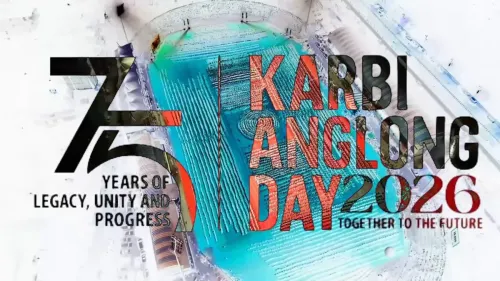
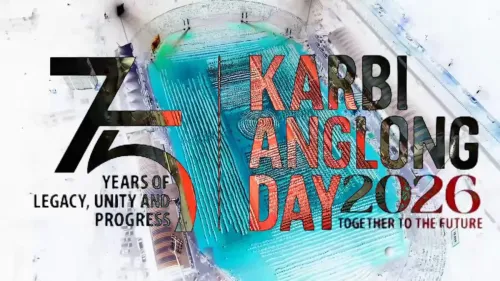
Karbi Anglong district completed 75 years of existence on 17 November 2026 , having been formed on the same date in 1951 .
The district was carved from parts of Nagaon and Sibsagar districts and is governed under the Sixth Schedule of the Constitution.
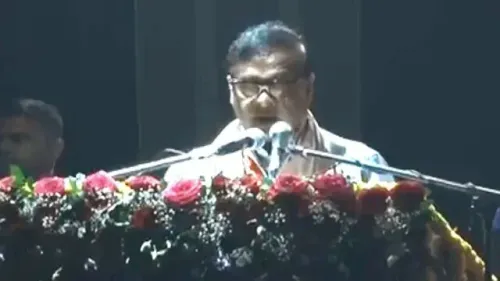
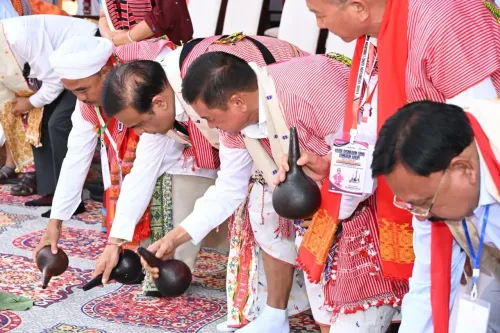
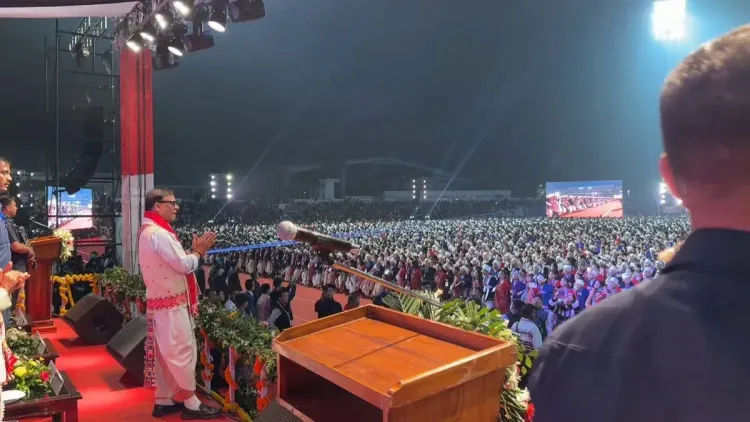
CM Himanta Biswa Sarma attended celebrations and praised the Nimso Kerung — a traditional Karbi dance and music performance — as 'historic and record-setting'.
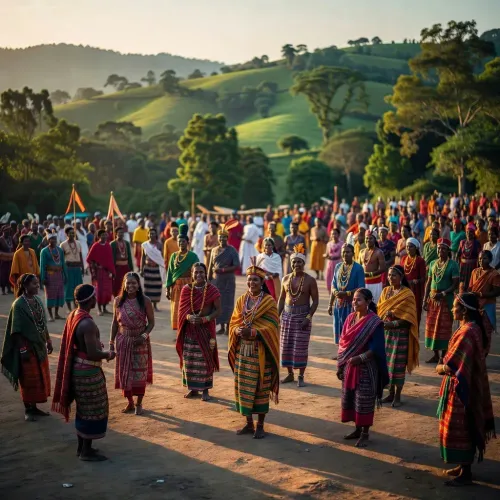
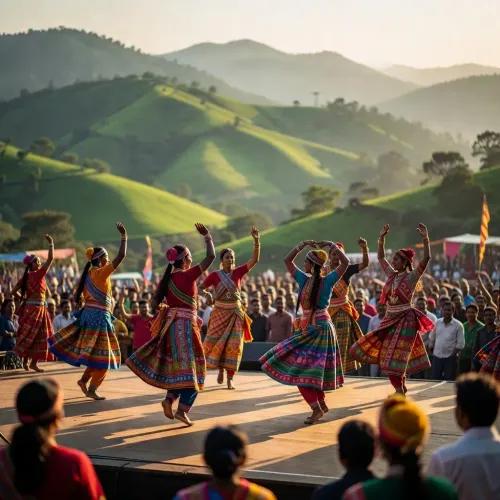
The Nimso Kerung is a core expression of Karbi cultural identity , performed at the diamond jubilee anniversary.
Assam governments have historically used cultural showcases in Sixth Schedule districts to affirm tribal identity within the broader state framework.
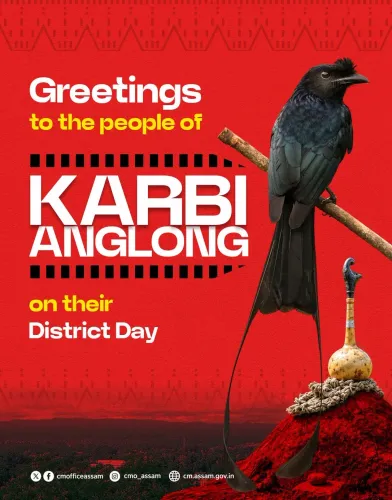
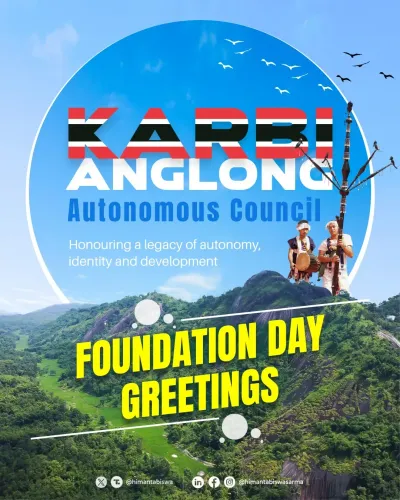
Seventy-five years after a post-independence cartographic decision carved out a homeland for the Karbi people, Assam Chief Minister Himanta Biswa Sarma marked the milestone the way it deserved — not with a speech, but with awe at a stage performance. On Tuesday, 17 November 2026, Sarma praised the Nimso Kerung, a traditional Karbi cultural performance, calling it 'historic and record-setting' as Karbi Anglong completed 75 years since its formation.
Sarma posted on X: 'What can be a better way to celebrate the 75 glorious years of Karbi Anglong than a historic and record setting performance of the Nimso Kerung. Absolutely loved the performance!!' The Chief Minister's presence and public admiration signal the significance the state government attaches to this anniversary.
Karbi Anglong at 75: A District Born of Reorganisation
Karbi Anglong district was created on 17 November 1951 from parts of the then Nagaon and Sibsagar districts, as the newly independent Indian state reorganised tribal regions in Assam. It is administered under the Sixth Schedule of the Constitution, which grants special autonomous powers to tribal district councils — a provision designed to protect the cultural and legal identity of communities like the Karbi people.
The Sixth Schedule framework has made Karbi Anglong something of a test case for how democratic India balances tribal self-governance with state integration. For seven and a half decades, that balance has been tested by autonomy demands, insurgency, peace accords, and development debates.
Nimso Kerung: Culture as a Statement
The Nimso Kerung is a traditional Karbi performance combining dance and music — an expression of community identity that has endured through the district's turbulent political history. That it was staged at record-setting scale on the diamond jubilee of the district's founding is itself a statement: Karbi heritage is not a footnote to governance, it is the centrepiece.
Assam governments have, over the decades, used cultural events in Sixth Schedule districts as instruments of soft integration — celebrating indigenous identity while reinforcing the district's place within the state. CM Sarma's enthusiastic public endorsement fits that pattern, but the platinum anniversary gives it unusual emotional weight.
Seventy-five years on, the Karbi people are still writing their story — and if Tuesday's performance is any measure, they are doing it with spectacular flair.
Point of View
The state signals solidarity with the Karbi community without entering the more fraught terrain of administrative or political concessions. The 75-year milestone also gives the gesture unusual historical gravity, potentially setting the tone for upcoming district-level development or autonomy announcements.
NationPress
17 Nov 2026
Frequently Asked Questions
When was Karbi Anglong district formed?
Karbi Anglong district was formed on 17 November 1951 from parts of Nagaon and Sibsagar districts in Assam as part of post-independence tribal area reorganisation.
What is the Nimso Kerung?
The Nimso Kerung is a traditional Karbi cultural performance combining dance and music, representing the heritage of the Karbi people of Assam's Karbi Anglong district.
Why is Karbi Anglong governed under the Sixth Schedule?
Karbi Anglong is administered under the Sixth Schedule of the Indian Constitution, which grants special autonomous powers to tribal district councils to protect the cultural, legal, and political rights of indigenous communities like the Karbi.
What did CM Himanta Biswa Sarma say about the Karbi Anglong anniversary?
CM Himanta Biswa Sarma praised the Nimso Kerung performance staged during the celebrations as 'historic and record-setting,' saying it was the perfect way to mark 75 glorious years of Karbi Anglong.
How many years has Karbi Anglong completed in 2026?
Karbi Anglong completed 75 years in 2026 , having been established on 17 November 1951.