CM Rekha Gupta announces India Biennale 2026 across Delhi
Synopsis
Delhi CM Rekha Gupta has announced the India Biennale 2026, a 108-day city-scale art festival featuring 108 young artists at 22-plus iconic venues across the capital, running from 4 December 2026 to 21 March 2027 under the Viksit Delhi banner.
Key Takeaways
India Biennale 2026 will run for 108 days from 4 December 2026 to 21 March 2027 across Delhi.
108 young artists will exhibit at 22-plus iconic venues , including centuries-old monuments and landmarks.
The festival is anchored to the Viksit Delhi initiative and the broader national Viksit Bharat 2047 vision.
The December-March window aligns with Delhi's peak tourist season , maximising visitor footfall.
Confirmed venue access — particularly for ASI-protected heritage sites — and artist shortlists remain to be formally announced.
The event follows the model of the Kochi-Muziris Biennale in using state-backed art festivals to drive cultural tourism and youth engagement.
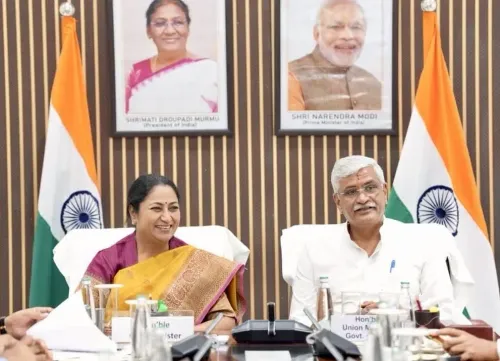
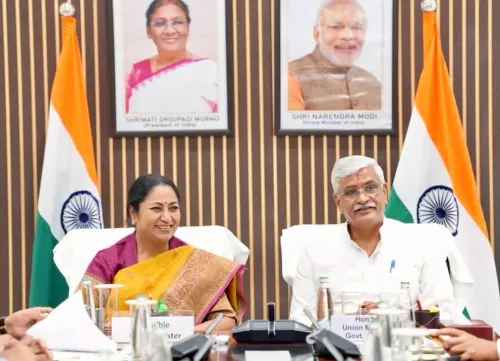
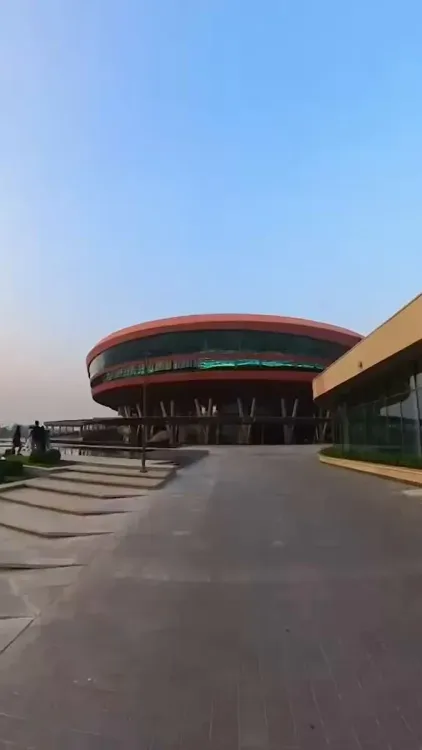
Delhi is about to become a canvas. Chief Minister Rekha Gupta on Tuesday, 17 November 2026 announced the India Biennale 2026 — a sweeping, city-scale contemporary art festival that will turn the capital's centuries-old monuments and iconic landmarks into live exhibition spaces, running from 4 December 2026 to 21 March 2027.
108 artists, 108 days, 22+ venues
The numbers alone signal ambition: 108 young artists spread across 22-plus iconic venues over exactly 108 days. The symmetry is deliberate — a nod to cultural resonance — and the scale puts India Biennale squarely in the conversation alongside established names in the global biennale circuit. Gupta framed the event in characteristically bold terms: 'Delhi won't just showcase art. Delhi will BE the art.'
The December-to-March window is no accident. It maps precisely onto Delhi's peak tourist season, when cooler temperatures draw visitors to the capital's Mughal-era forts, colonial boulevards, and modernist civic landmarks — exactly the kinds of backdrops the festival intends to activate.
Where Viksit Delhi meets living heritage
The event carries the #ViksitDelhi hashtag, anchoring it to Gupta's state-level urban development initiative, itself a branch of Prime Minister Narendra Modi's Viksit Bharat 2047 vision launched in 2023 — which explicitly positions cultural heritage as a pillar of national development. For the BJP-led Delhi government, a festival of this scale is both a soft-power statement and a practical argument: that historic sites need not be passive museums but can be engines of youth participation and creative economy.
India has seen this playbook work before. The Kochi-Muziris Biennale, launched in 2012 in Kerala, demonstrated that a state-backed contemporary art festival anchored in heritage geography could generate significant tourism revenue, international attention, and a durable platform for emerging Indian artists. Delhi — with far greater monument density and a larger domestic visitor base — is betting it can replicate and scale that model.
What to watch before the opening
Key details still taking shape include the confirmed venue list — which will determine whether access to Archaeological Survey of India-protected sites has been secured — along with the artist selection process and funding partnerships. The government's ability to negotiate monument access and build institutional backing before the 4 December opening will be the clearest test of execution.
If the logistics hold, Delhi's winter skyline could look very different this season: ancient sandstone walls carrying new voices, and a generation of young Indian artists claiming the capital as their studio.
Point of View
Gupta ties a creative-economy initiative directly to the Modi government's Viksit Bharat 2047 narrative, reinforcing the party's claim to both development and heritage. The choice of young artists as protagonists is equally strategic: it speaks to a demographic the BJP has worked hard to consolidate, while positioning Delhi against established biennale cities on the global map. Execution — specifically monument access and artist diversity — will determine whether the event lands as a genuine cultural milestone or a well-branded photo opportunity.
NationPress
17 Nov 2026
Frequently Asked Questions
What is India Biennale 2026?
India Biennale 2026 is a large-scale contemporary art festival announced by Delhi Chief Minister Rekha Gupta, featuring 108 young artists exhibiting across 22-plus iconic venues in Delhi over 108 days from 4 December 2026 to 21 March 2027.
Where will India Biennale 2026 be held?
The festival will be held across Delhi, using the city's historic monuments and iconic landmarks as exhibition venues. Specific confirmed sites have not yet been officially announced.
How many artists will participate in India Biennale 2026?
108 young artists are slated to participate in India Biennale 2026, spread across more than 22 venues throughout the capital.
What is the Viksit Delhi initiative?
Viksit Delhi is a state-level development and cultural promotion initiative under the Delhi government, aligned with Prime Minister Narendra Modi's national Viksit Bharat 2047 vision that positions cultural heritage as a pillar of India's development.
When does India Biennale 2026 start and end?
India Biennale 2026 opens on 4 December 2026 and runs through 21 March 2027, covering 108 days during Delhi's peak winter tourist season.