Shekhawat flags India Biennale 2026 Delhi meet
Synopsis
Union Culture Minister Gajendra Singh Shekhawat reviewed preparations for India Biennale 2026 — a 108-day international art event in Delhi running 4 December 2026 to 21 March 2027 — with Delhi CM Rekha Gupta and Cabinet colleague Kapil Mishra.
Key Takeaways
India Biennale 2026 is scheduled for 4 December 2026 to 21 March 2027 — a 108-day run across Delhi's historic monuments, museums, and cultural sites.
The event is themed around the Upanishadic idea 'Tat Tvam Asi' (That Thou Art), linking Indian philosophy with global contemporary art.
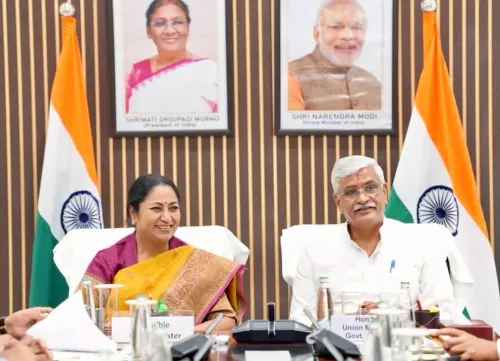
Union Culture Minister Gajendra Singh Shekhawat held a review meeting on 16 November 2026 with Delhi CM Rekha Gupta and Union Cabinet minister Kapil Mishra .
The biennale is framed as aligned with Prime Minister Narendra Modi 's vision for projecting Indian cultural heritage globally.
Curatorial framework, participating countries, and final venue assignments have not yet been publicly confirmed.
The event continues the Ministry of Culture's post-2014 pattern of large-scale international cultural diplomacy initiatives on home soil.
A 108-day international art event anchored in one of philosophy's oldest ideas is coming to India's capital — and the Union government is now in active coordination to make it happen. Union Culture and Tourism Minister Gajendra Singh Shekhawat on Monday, 16 November 2026 held a review meeting in New Delhi to advance preparations for India Biennale 2026, a landmark cultural event planned to run from 4 December 2026 to 21 March 2027 across Delhi's historic monuments, museums, and cultural sites.
Posting on X, Shekhawat framed the event around the Sanskrit mahavakya 'Tat Tvam Asi' — 'That Thou Art' — one of the core philosophical proclamations of the Upanishads. The minister described India Biennale 2026 as 'an important opportunity to give a new prestige to our cultural heritage and creative strength on the world stage,' explicitly linking the event to Prime Minister Narendra Modi's vision for India's global cultural projection.
Delhi's Chief Minister and Cabinet colleague join the room
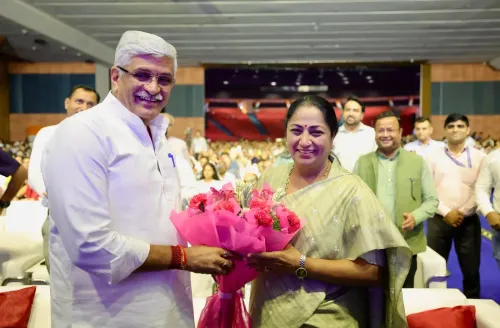
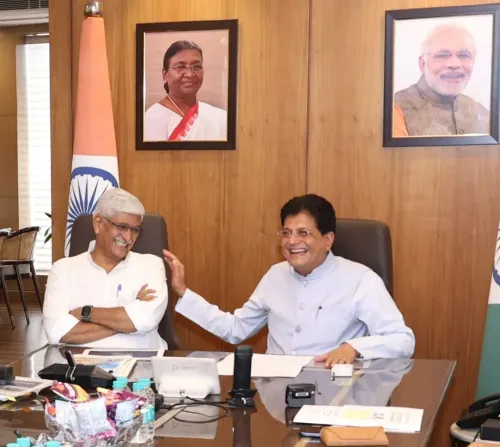
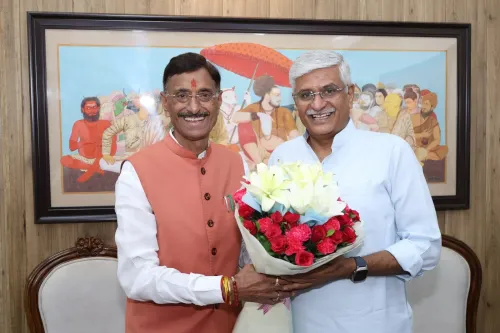
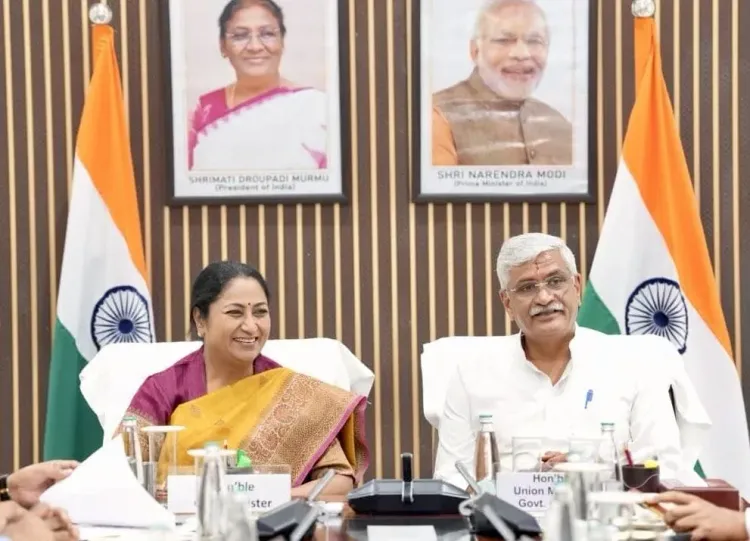
The review meeting brought together Delhi Chief Minister Rekha Gupta and Union Cabinet colleague Kapil Mishra alongside Shekhawat — a signal of the multi-agency coordination the event demands. Discussions covered preparations, logistics, and cross-departmental alignment, the minister said. That a sitting Chief Minister and a Union Cabinet minister sat together for a single cultural planning meeting underscores the administrative scale being assembled around the biennale.
Delhi's layered governance — with Central monuments managed by the Archaeological Survey of India and city venues under state authority — makes such joint sessions a practical necessity rather than a ceremonial gesture. Getting both tables on the same page early is precisely how large-format events at heritage sites avoid last-minute permission deadlocks.
What 'India Biennale' is meant to do
The biennale format — pioneered by Venice and now a fixture on the global arts calendar from São Paulo to Sharjah — brings together artists, curators, and cultural institutions from multiple countries around a unifying theme. India's edition is designed to position Indian philosophical thought, particularly the non-dualist Vedantic tradition, as a living dialogue partner for contemporary global art practice.
At 108 days, the event would be one of the longer biennale-format runs anywhere in the world, turning Delhi's historic precincts into sustained venues for international exchange rather than a short-burst showcase. The Ministry of Culture has since 2014 steadily expanded India's footprint in international cultural diplomacy — from pavilions at Venice to large-scale heritage festivals — and India Biennale 2026 represents the most ambitious domestic iteration of that push yet.
Curatorial details and participating nations still ahead
What the review meeting did not produce — at least publicly — is a confirmed list of participating countries, lead curators, or specific venue assignments. Those announcements are the next pressure points on the timeline: with the opening now fewer than three weeks away, the curatorial framework and artist roster will define whether the event lands as a genuine global conversation or a large but inward-facing showcase.
Supplementary budget approvals and infrastructure upgrades at the chosen heritage sites are also still to be confirmed. The ministry's track record on large cultural events suggests further coordination rounds before the 4 December opening date.
The world's oldest philosophical traditions are rarely short of things to say to contemporary art. India Biennale 2026 now has a date, a room full of decision-makers, and 108 days to prove the conversation is worth having.
Point of View
Delhi's Chief Minister, and a Cabinet colleague so early in the run-up signals an unusually high level of political ownership for what is nominally a cultural event. The real test will be whether the curatorial and artistic substance matches the institutional momentum now being built around it.
NationPress
16 Nov 2026
Frequently Asked Questions
What is India Biennale 2026?
India Biennale 2026 is a planned 108-day international art and culture event in New Delhi, running from 4 December 2026 to 21 March 2027, themed around the Upanishadic philosophy of 'Tat Tvam Asi' and linking Indian heritage with global contemporary art.
Where will India Biennale 2026 be held?
The biennale will be held across Delhi's historic monuments, museums, and cultural sites, though the final confirmed venue list has not yet been publicly announced.
Who is organising India Biennale 2026?
The Union Ministry of Culture, led by Minister Gajendra Singh Shekhawat, is organising the event in coordination with the Delhi government.
What does 'Tat Tvam Asi' mean and why is it the theme?
'Tat Tvam Asi' is a Sanskrit phrase from the Upanishads meaning 'That Thou Art' — one of the foundational statements of non-dualist Vedantic philosophy. It was chosen as the biennale's conceptual anchor to link India's ancient philosophical tradition with global contemporary art dialogue.
Who attended the India Biennale 2026 review meeting on 16 November 2026?
Union Culture and Tourism Minister Gajendra Singh Shekhawat chaired the meeting, attended by Delhi Chief Minister Rekha Gupta and Union Cabinet colleague Kapil Mishra, to discuss preparations, logistics, and coordination.