CM Himanta Shifts Assam Flood Response to Restoration in Sonari
Synopsis
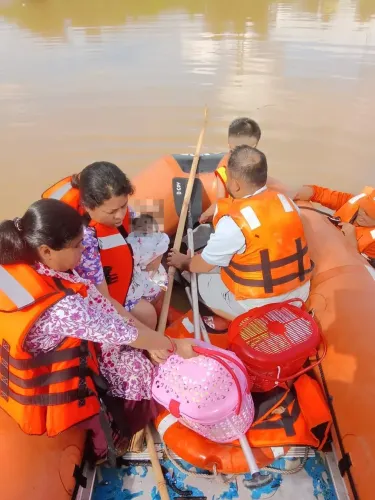
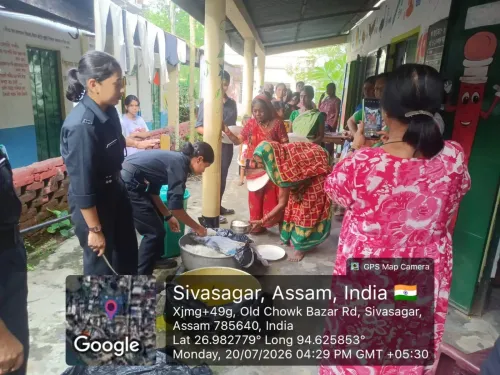
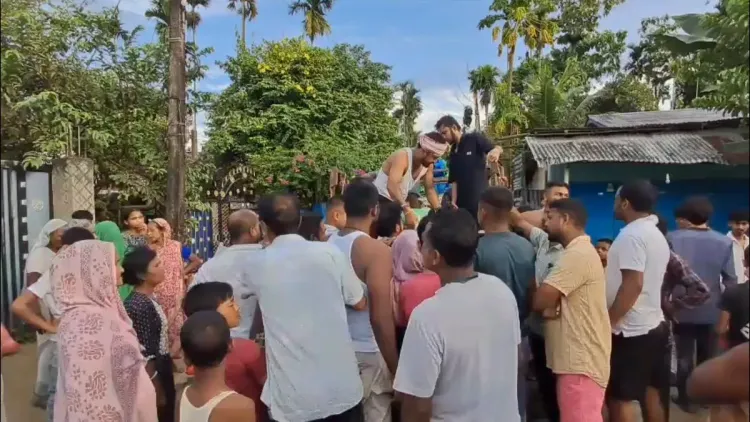
Assam Chief Minister Himanta Biswa Sarma on 28 July 2026 announced the state's flood response in Sonari is moving from relief to restoration, with food, tarpaulins and cleaning supplies being distributed to help flood-affected families return home.
Key Takeaways
Chief Minister Himanta Biswa Sarma announced on 28 July 2026 that Assam's flood response in Sonari is shifting from relief to restoration.
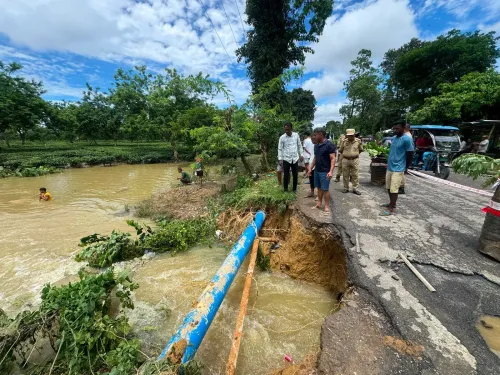
Floodwaters in Sonari, Sivasagar district have begun receding, enabling the transition to the next disaster management phase.
Essentials being distributed include food, tarpaulins and cleaning supplies to help families return home.
The shift aligns with standard disaster management protocols used in flood-prone North-East India .
The operation forms part of Assam's annual monsoon flood response in the Brahmaputra valley .
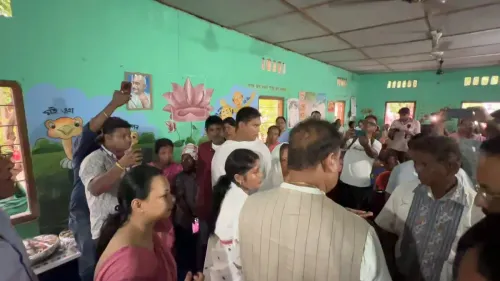
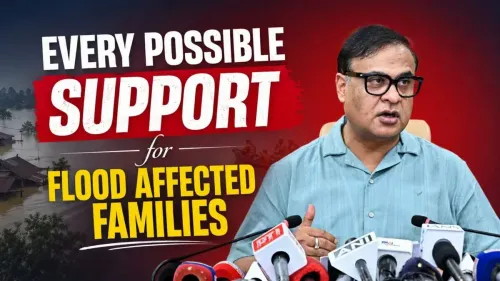
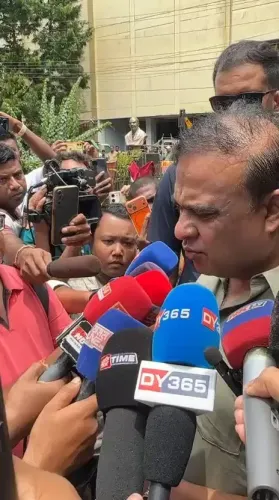
Assam Chief Minister Himanta Biswa Sarma on Tuesday, 28 July 2026, announced that the state's flood response in Sonari is transitioning from immediate relief to active restoration, with food, tarpaulins, cleaning supplies and other essentials being distributed to help families return home and rebuild their daily lives.
Context
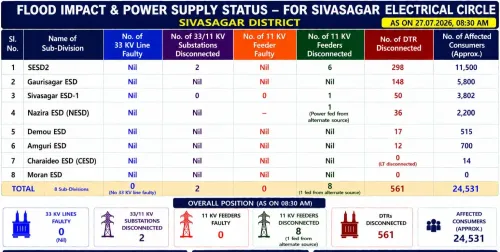
Sonari, a town in Sivasagar district of Assam, is among the areas affected by the current monsoon-season flooding. Chief Minister Sarma's post signals that floodwaters in the area have begun receding sufficiently for authorities to pivot from emergency operations to the next phase of disaster management. The distribution of tarpaulins and cleaning materials alongside food indicates that damaged homes are now accessible and that residents are being supported to re-enter them.
Policy Backdrop
Assam's position in the Brahmaputra river valley makes it one of India's most flood-prone states, with successive administrations managing annual inundation cycles through phased relief operations. The standard disaster management sequence — emergency rescue, food and shelter relief, followed by restoration — is a well-established protocol in North-East India. The Sarma government has continued this framework, with the Chief Minister personally communicating field-level updates as a visible accountability measure.
The distribution of cleaning supplies alongside food and tarpaulins reflects an understanding that returning families face not only structural damage but also hygiene and sanitation risks left behind by receding floodwaters. This multi-item approach aligns with broader state disaster management guidelines for post-flood recovery.
Stakeholders and Impact
The primary beneficiaries are flood-affected families in and around Sonari who are now in a position to return to their homes. Tarpaulins serve as immediate roofing solutions for households with damaged structures, while food distribution addresses continued food insecurity during the transition period before normal supply chains are fully restored. Cleaning supplies help mitigate post-flood disease risks, including water-borne illnesses that typically spike after inundation.
Local administration, state disaster response teams and civil society volunteers are the key delivery actors on the ground. The Chief Minister's direct social media communication also serves to inform affected communities about available assistance and signals state accountability to a wider public audience.
What's Next
Attention will now turn to whether similar restoration operations are extended to other flood-affected districts in Assam as waters recede across the broader Brahmaputra valley. Longer-term, the state government is expected to face scrutiny over embankment repairs, drainage infrastructure and flood-mitigation works ahead of the next monsoon cycle. Chief Minister Sarma's public communication pattern suggests further updates on restoration timelines and additional relief phases can be expected in the coming days.
Point of View
Sarma continues a pattern of direct, granular social media communication that positions the Chief Minister as hands-on during disaster response. The multi-item relief package — food, tarpaulins and cleaning supplies — signals a more holistic approach to post-flood welfare than basic food distribution alone. However, the durability of the state's response will ultimately be measured against longer-term infrastructure fixes, particularly embankment and drainage works that remain perennial concerns in Assam's flood governance debate.
NationPress
26 Oct 2026
Frequently Asked Questions
What is happening in Sonari Assam floods 2026?
Floodwaters in Sonari, Sivasagar district have begun receding, and the Assam state government is now distributing food, tarpaulins and cleaning supplies to help affected families return home and restore their daily lives.
What relief materials are being distributed in Sonari after floods?
The Assam government is distributing food, tarpaulins and cleaning supplies to flood-affected families in Sonari as part of the restoration phase of its disaster response.
What did Himanta Biswa Sarma say about Assam floods?
Chief Minister Himanta Biswa Sarma announced on 28 July 2026 that as floodwaters begin receding in Sonari, the state's focus is expanding from relief to restoration, with essentials being distributed to help families rebuild their daily lives.
Which district is Sonari in Assam?
Sonari is a town in Sivasagar district in upper Assam, located in the Brahmaputra river valley region that is prone to annual monsoon flooding.
What is the restoration phase of flood relief in Assam?
The restoration phase follows the immediate emergency relief stage and involves distributing tarpaulins, cleaning materials and food to help families return to and repair their homes once floodwaters recede.