Assam CM Office flags new highway on Guwahati-Tezpur corridor
Synopsis
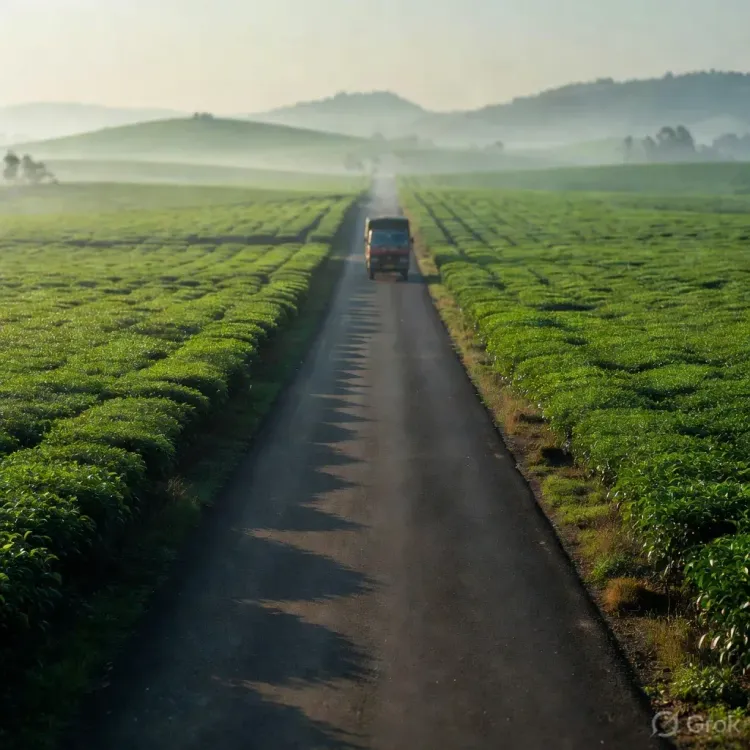
The Chief Minister's Office of Assam announced a new highway addition to the Guwahati-Tezpur corridor on 19 August 2026, targeting growth in the state's tea sector, tourism industry, and trade — extending a decade-long push to upgrade Northeast India's road infrastructure.
Key Takeaways
The Chief Minister's Office of Assam announced a new highway addition to the Guwahati-Tezpur corridor on 19 August 2026 .
The corridor links Guwahati , Assam's largest commercial city, with Tezpur in Sonitpur district, a gateway to major tea estates and Kaziranga National Park.
The stated objectives are growth in tea logistics, tourism, and trade — three core pillars of Assam's economy.
The project aligns with the Bharatmala Pariyojana framework launched in 2015 for national highway upgrades across the Northeast.
Exact funding and construction timelines have not been independently confirmed; the PIB release is the authoritative source.
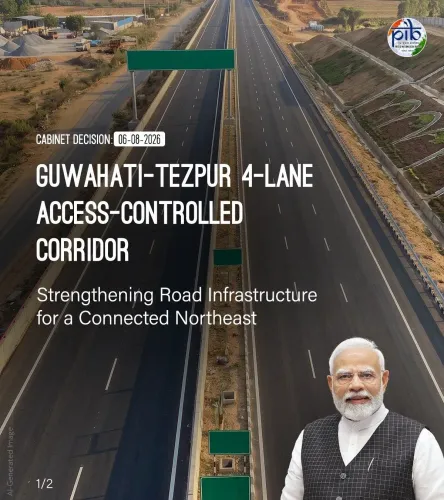
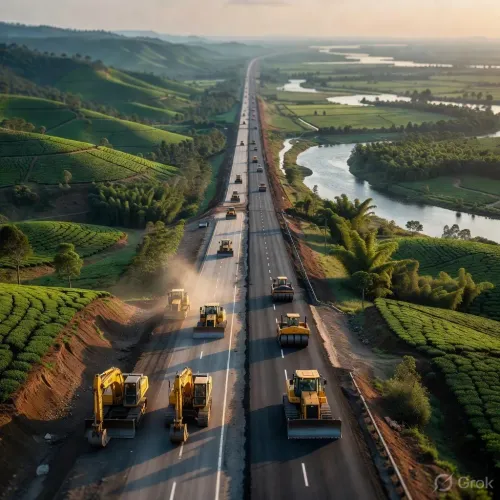
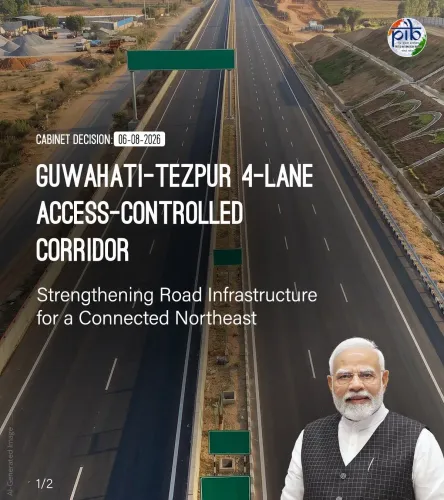
A new highway addition to the Guwahati-Tezpur corridor is set to sharpen Assam's edge in tea logistics, tourism, and trade — and the Chief Minister's Office of Assam made the announcement on Wednesday, 19 August 2026, pointing to a PIB release that outlines the latest infrastructure push along one of the state's most economically loaded stretches of road.
The post, written in Assamese, reads: 'Guwahati-Tezpur Corridor: a new highway addition for the growth of Assam's tea, tourism, and trade.' The framing is deliberate — three pillars of Assam's economy, one road.
Why the Guwahati-Tezpur stretch matters
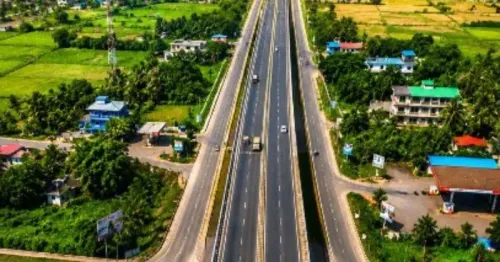
Guwahati, the largest city in Assam and the commercial nerve centre of Northeast India, anchors one end of this corridor. Tezpur, in Sonitpur district, anchors the other — and it sits at the gateway to some of the region's most productive tea estates and the wildlife tourism belt around Kaziranga National Park. The road between them is not just a commute; it is a supply chain.
Tea growers moving produce to Guwahati's auction centres, tourist vehicles heading north toward Kaziranga, and traders pushing goods toward the Brahmaputra basin all share this artery. Any upgrade that cuts travel time or reduces vehicle wear directly translates into lower logistics costs — and, for the tea sector in particular, fresher leaf reaching the auction floor faster.
Northeast connectivity and the Bharatmala thread
This project fits a pattern that has been building for over a decade. The Bharatmala Pariyojana, launched in 2015, earmarked multiple national highway upgrades across Assam specifically to knit the Northeast's production zones to its commercial hubs. Successive state and central budgets have reinforced that logic, treating road infrastructure as the fastest lever available for unlocking the region's economic potential.
Highway development along corridors like Guwahati-Tezpur has consistently targeted the same triad the CM Office named today: tea, tourism, and cross-border trade. The framing in the post is not rhetorical — it mirrors the stated objectives of national connectivity policy in the Northeast.
Exact funding figures and construction timelines for this specific addition have not been independently confirmed. The PIB release cited in the post is the authoritative source for those details. What is clear is that the state government is flagging this as a priority, and the economic logic behind the corridor is well established.
The real test will come in the execution — land acquisition, construction pace, and whether the finished road actually moves the needle on tea output or visitor numbers. Assam's infrastructure ambitions have often been bold on paper; delivery on the ground is where the story gets written.
Point of View
Tourism, and trade, the CM Office is signalling that this is not a routine road project but a deliberate economic corridor play. The political dividend is real: connectivity announcements in Assam resonate with a broad coalition of tea workers, small traders, and the growing tourism economy around Kaziranga. The harder question is delivery — Assam has a history of ambitious corridor plans that stall at land acquisition, and the absence of confirmed timelines in the announcement leaves that vulnerability open.
NationPress
19 Aug 2026
Frequently Asked Questions
What is the Guwahati-Tezpur corridor highway project?
It is a new highway addition to the existing road corridor between Guwahati and Tezpur in Assam, announced by the Chief Minister's Office on 19 August 2026, aimed at improving connectivity for the tea, tourism, and trade sectors.
How will the Guwahati-Tezpur highway benefit Assam's tea industry?
Better road connectivity reduces logistics costs and transit time for tea estates along the corridor, allowing fresher produce to reach Guwahati's auction centres faster and improving the competitiveness of Assam tea.
Is this highway part of Bharatmala Pariyojana?
The project fits within the broader Bharatmala Pariyojana framework launched in 2015, which included multiple national highway upgrades across Assam to strengthen Northeast India's road network, though the specific funding details have not been confirmed.
How does Tezpur benefit from the new highway?
Tezpur in Sonitpur district serves as a gateway to Kaziranga National Park and major tea estates. Improved road access is expected to boost wildlife tourism and ease the movement of goods for local traders.
When will the Guwahati-Tezpur corridor highway be completed?
Construction timelines have not been officially confirmed in the announcement. The PIB release cited by the Chief Minister's Office of Assam is the authoritative source for project schedule details.