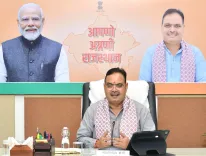
Sonowal pays tribute to Maharaja Bir Bikram on Jayanti
Synopsis
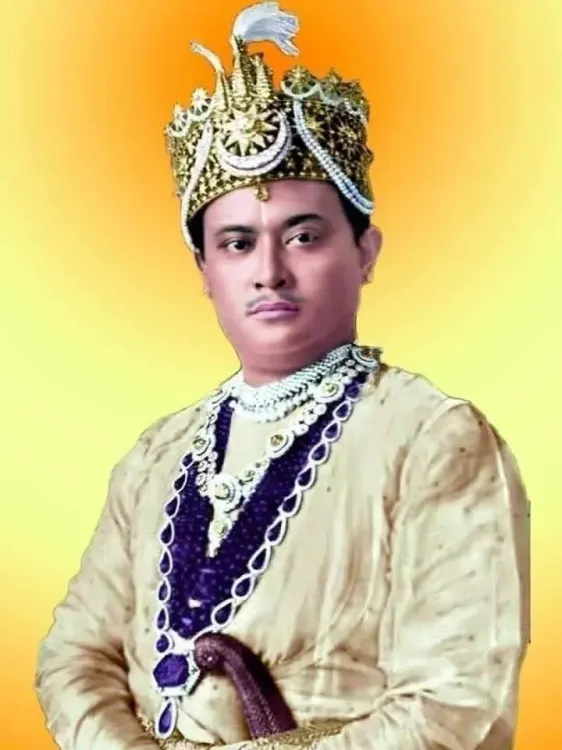
Union Minister Sarbananda Sonowal paid tribute to Maharaja Bir Bikram Kishore Manikya Bahadur on his Jayanti, honouring the last ruling Maharaja of Tripura's legacy in education reform, infrastructure, and public welfare that shaped the state's modern development.
Key Takeaways
Sarbananda Sonowal , Union Minister of Ports, Shipping and Waterways, paid tribute to Maharaja Bir Bikram Kishore Manikya Bahadur on his Jayanti on 19 August 2026 .
The Maharaja is credited with modernising Tripura through education institutions, road networks, and administrative reforms during his reign from 1923 to 1947 .
Tripura acceded to India in 1949 , two years after the Maharaja's death, building on the administrative groundwork he had established.
Sonowal called him the 'Architect of Modern Tripura,' linking his historical legacy to the state's ongoing development journey.
The tribute reflects a broader pattern of BJP leaders from the Northeast invoking pre-independence regional rulers alongside contemporary infrastructure and education priorities.
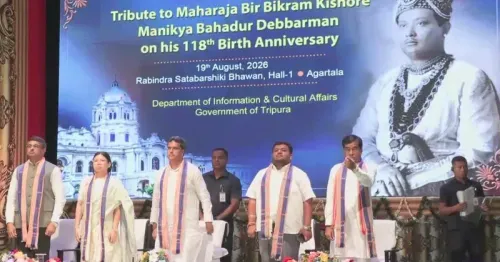
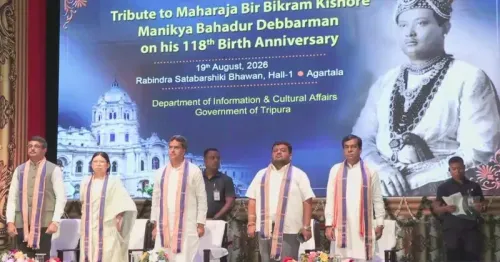
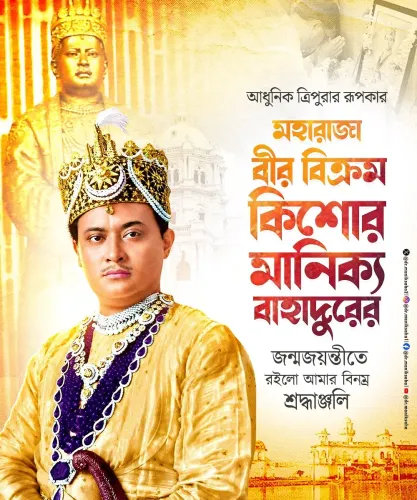
The man who built roads through dense northeastern hills, founded schools where none existed, and shaped a kingdom's administrative spine before India was even born — Maharaja Bir Bikram Kishore Manikya Bahadur is remembered on his Jayanti this Wednesday, 19 August 2026. Union Minister of Ports, Shipping and Waterways Sarbananda Sonowal led tributes to the last ruling Maharaja of Tripura, calling him the 'Architect of Modern Tripura.'
Sonowal wrote: 'Tributes to the Architect of Modern Tripura, Maharaja Bir Bikram Kishore Manikya Bahadur Ji, on his Jayanti. His enduring legacy in education reform, infrastructure and public welfare continues to inspire the state's development journey.'
The Maharaja who modernised a kingdom before independence
Maharaja Bir Bikram Kishore Manikya Bahadur ruled Tripura from 1923 until his death in 1947 — the very year India gained independence. In that span, he overhauled the state's educational infrastructure, expanded road networks through difficult terrain, and reformed a largely agrarian administration into something that could sustain a modern polity. His death in 1947, just weeks before independence, left Tripura's accession to India to be completed in 1949 — but the groundwork he had laid made that transition possible. For a northeastern state that spent much of the post-independence era grappling with insurgency, geographic isolation, and underdevelopment, the Maharaja's pre-1947 initiatives in schools and roads carry an outsized symbolic weight in Tripura's political memory.Why a Union Minister from Assam is invoking Tripura's royal past
Sonowal's tribute is part of a recognisable pattern among BJP leaders from the Northeast: invoking pre-independence regional rulers to stitch together historical continuity with present-day development priorities. The framing — legacy of education and infrastructure inspiring today's journey — maps neatly onto the central government's active push for connectivity and education investment across northeastern states. Sonowal himself, as a senior BJP leader from Assam and a former Chief Minister of that state, has consistently positioned the Northeast's historical figures as touchstones for the region's contemporary ambitions. A tribute on Jayanti is ceremonial in form, but the language of 'enduring legacy' and 'development journey' carries a clear political register. The people of Tripura watch such moments closely — not just as historical commemoration, but as signals of where central attention and resources may flow next.Point of View
' the framing implicitly positions today's central government as the inheritor and extender of that modernising mission. For a state like Tripura — where historical memory of royal-era institution-building remains vivid — this kind of symbolic politics carries genuine resonance beyond mere ceremony. Watch whether state-level events or central scheme announcements in Tripura in coming months explicitly reference the Maharaja's legacy to lend historical weight to new infrastructure or education investments.
NationPress
3 Oct 2026
Frequently Asked Questions
Who was Maharaja Bir Bikram Kishore Manikya Bahadur?
Maharaja Bir Bikram Kishore Manikya Bahadur was the last ruling Maharaja of Tripura, who reigned from 1923 until his death in 1947. He is credited with modernising the state through education institutions, road networks, and administrative reforms.
When is Maharaja Bir Bikram Jayanti celebrated?
Maharaja Bir Bikram Jayanti is observed annually to mark the birth anniversary of the last ruling Maharaja of Tripura. In 2026, Union Minister Sarbananda Sonowal paid tribute on 19 August.
Why did Sarbananda Sonowal pay tribute to Maharaja Bir Bikram?
Sonowal paid tribute on the Maharaja's Jayanti, honouring his legacy in education reform, infrastructure, and public welfare, and calling him the 'Architect of Modern Tripura.'
When did Tripura accede to India?
Tripura acceded to India in 1949, two years after the death of Maharaja Bir Bikram Kishore Manikya Bahadur in 1947, building on the administrative groundwork he had laid.
What is Sarbananda Sonowal's connection to Tripura?
Sonowal is Union Minister of Ports, Shipping and Waterways and a senior BJP leader from the Northeast. While he served as Chief Minister of Assam, he regularly highlights historical figures from across the northeastern region, including Tripura's Maharaja Bir Bikram.