Assam CM Office: Flood Rescue Teams Active Since Yesterday

Synopsis
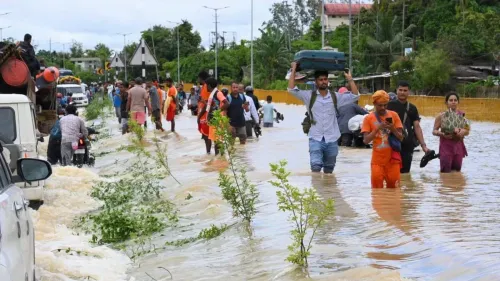
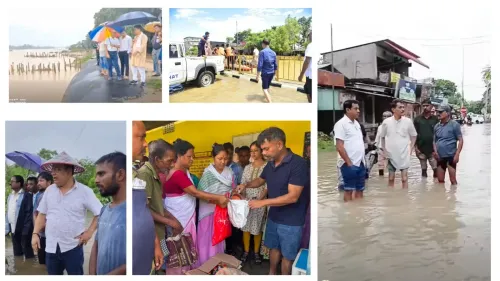
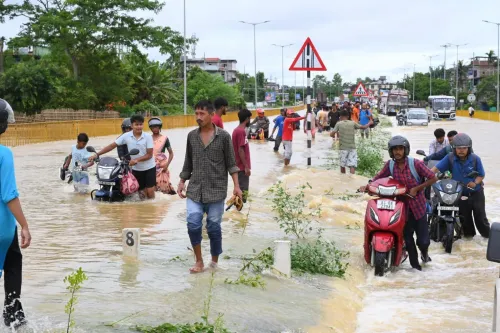
The Chief Minister's Office of Assam announced on 20 July 2026 that district administrations, line departments, and rescue teams have been tirelessly conducting rescue, relief, and emergency response operations for flood-affected residents since the previous day, as the state faces its annual monsoon flood crisis.
Key Takeaways
The Chief Minister's Office of Assam confirmed active flood rescue and relief operations as of 20 July 2026 .
District Administration , line departments, and rescue teams have been deployed since at least 19 July 2026 .
Operations cover rescue, relief distribution, and emergency response for flood-affected residents.
Assam's flood response is governed by Standard Operating Procedures under the Disaster Management Act, 2005 .
The Brahmaputra River and its tributaries are the primary cause of annual monsoon flooding in the state.
Formal damage assessments and potential requests for central assistance are expected in the coming days.
The Chief Minister's Office of Assam confirmed on Monday, 20 July 2026 that district administrations, line departments, and rescue teams have been continuously engaged in rescue, relief, and emergency response operations for people affected by the ongoing flood situation in the state.
Context
The official post from the Chief Minister's Office stated that since the previous day, multiple arms of the state machinery — including the District Administration, line departments, and dedicated rescue teams — have been 'tirelessly engaged in rescue, relief and emergency response efforts.' The announcement signals that the state is in active flood-response mode, with operations running around the clock.
Assam enters a heightened state of alert each monsoon season, typically between June and September, as rivers swell and breach embankments, inundating low-lying agricultural and residential areas across the state's plains.
Policy Backdrop
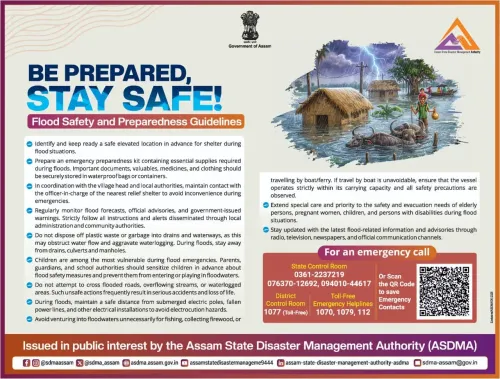
Assam's flood response framework is governed by Standard Operating Procedures established under the Disaster Management Act, 2005, which mandates district-level activations and inter-departmental coordination during monsoon emergencies. The Assam State Disaster Management Authority (ASDMA) serves as the nodal agency overseeing the deployment of rescue teams and the distribution of relief to affected populations.
The Brahmaputra River and its numerous tributaries are the primary drivers of annual flooding in Assam. The river's transboundary nature and the volume of monsoon runoff from upstream catchments make large-scale inundation a near-annual occurrence, displacing hundreds of thousands of residents and damaging agricultural land and infrastructure each year.
Successive state governments have relied on a combination of embankment maintenance, early-warning systems, and coordinated inter-departmental relief deployments as the core of their flood management strategy. Chief Minister Himanta Biswa Sarma, who has led the state since 2021, has continued and expanded these protocols.
Stakeholders and Impact
The most immediate stakeholders are flood-affected residents across Assam's districts, particularly rural farming communities whose livelihoods depend on agricultural land that is vulnerable to inundation and soil erosion during high-water events. Displacement disrupts access to food, drinking water, healthcare, and shelter for affected families.
District administrations are the first line of response, coordinating with state line departments — including health, public works, and agriculture — to ensure relief materials reach affected areas. Rescue teams, often working alongside the National Disaster Response Force (NDRF) and State Disaster Response Force (SDRF), conduct evacuation operations in the most severely affected zones.
What's Next
Formal damage assessments are expected to follow the immediate rescue phase, with the state government likely to compile district-wise reports on affected population, crop loss, and infrastructure damage. These assessments typically form the basis for requests for central government assistance under the National Disaster Response Fund (NDRF).
Observers will also watch for any announcements related to embankment repair, river dredging, or flood-mitigation capital works that may be tabled in the current assembly session. The pace and scale of relief disbursement will be a key indicator of the administration's preparedness and the severity of this year's flood event.
Point of View
Proactive flood communication has become a governance signature, positioning the administration as ahead of the crisis rather than reactive to it. The broader pattern, however, points to a structural challenge: Assam's flood losses recur at enormous scale every year despite decades of embankment investment, raising questions about the long-term adequacy of the current response-and-repair model. The real test will come when damage assessments are published and the state's request for central funds is scrutinised against actual relief delivery on the ground.
NationPress
21 Jul 2026
Frequently Asked Questions
What is the current flood situation in Assam in July 2026?
As of 20 July 2026 , Assam is experiencing an ongoing flood situation, with the Chief Minister's Office confirming that district administrations and rescue teams have been engaged in round-the-clock relief and rescue operations since at least 19 July.
Which agencies are handling flood rescue in Assam?
The District Administration , state line departments, and dedicated rescue teams are leading the response, coordinated under the Assam State Disaster Management Authority (ASDMA) framework.
Why does Assam flood every year?
Assam floods annually during the monsoon season, primarily due to the swelling of the Brahmaputra River and its tributaries, which carry heavy runoff from upstream catchments and regularly breach embankments across the state's plains.
What is the role of the Assam State Disaster Management Authority during floods?
The ASDMA is the nodal state agency that coordinates district administrations, line departments, and rescue forces during flood emergencies, overseeing relief distribution, evacuation, and damage assessment under the Disaster Management Act, 2005 .
Will the central government provide assistance for Assam floods?
Following damage assessments, the Assam government typically submits a formal request for financial assistance under the National Disaster Response Fund (NDRF) . Whether such a request has been made in the current event has not yet been confirmed.