Assam Govt sanctions memorial funds on Zubeen Garg's birth anniversary
Synopsis
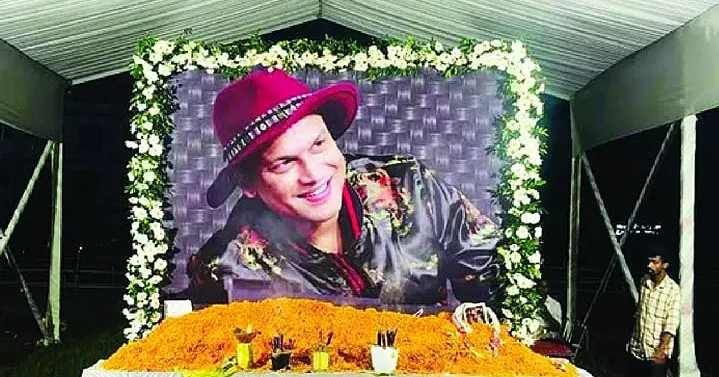
On Zubeen Garg's birth anniversary, the Assam government sanctioned funds for work at the renowned Assamese singer's memorial, reaffirming the state's commitment to preserving the cultural legacy of one of northeast India's most iconic musical voices.
Key Takeaways
The Assam government sanctioned funds for work at Zubeen Garg's memorial on his birth anniversary, 19 November 2026 .
Zubeen Garg is a celebrated Assamese singer, composer, lyricist, and actor widely regarded as one of the defining voices of contemporary Assamese music.
The Chief Minister's Office of Assam shared the announcement, underscoring the state's formal recognition of Garg's cultural legacy.
Indian state governments periodically sanction funds for memorials linked to prominent artists as part of heritage preservation efforts tied to regional identity.
The exact quantum of sanctioned funds and the precise memorial location were not detailed in the official post.
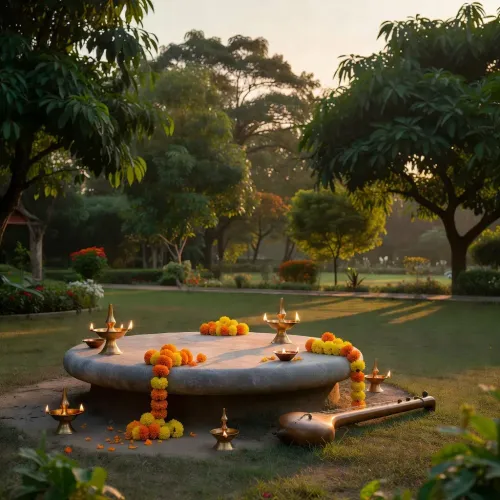
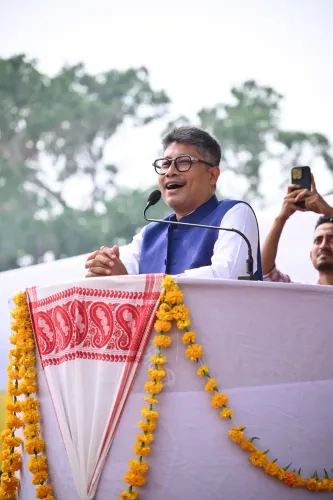
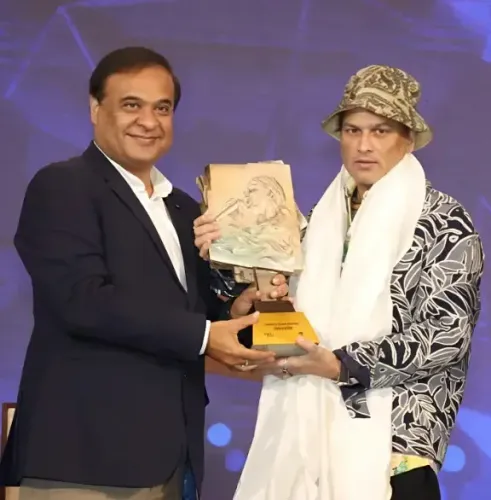
On his birth anniversary, Zubeen Garg — the voice that defined a generation of Assamese music — was remembered across the state as the Assam government announced sanctioned funds for work at his memorial, underscoring the state's commitment to preserving the legacy of one of its most beloved cultural icons.
The man behind the music: who is Zubeen Garg?
Zubeen Garg is among the most celebrated figures in Assamese cultural life — a singer, composer, lyricist, and actor whose work brought contemporary Assamese music to audiences far beyond the northeast. His voice became synonymous with the soul of Assam, bridging folk traditions with popular film music and earning him an almost unparalleled following across the region. For millions of listeners, his songs are not merely entertainment; they are milestones of memory.
Assam government steps in with memorial funding
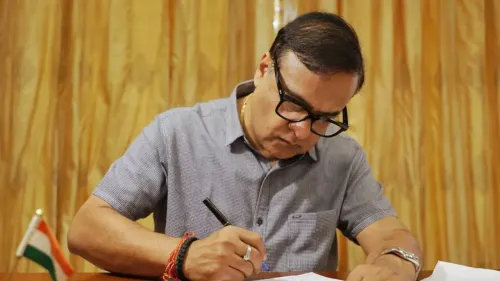
The Chief Minister's Office of Assam shared the development on Thursday, 19 November 2026, marking Garg's birth anniversary with the announcement of sanctioned funds directed at construction or maintenance work at his memorial. The move follows a well-established pattern in Indian state governance: periodically committing public resources to sites linked to prominent artists, reinforcing regional identity and honoring cultural heritage. While the exact quantum of funds and the precise location of the memorial have not been independently detailed in the official post, the symbolic weight of the timing — his birth anniversary — is deliberate and unmistakable.
Culture, identity, and the state's role
State governments across India have long used memorials and cultural endowments as instruments of soft heritage policy, particularly when it comes to artists who carry a region's identity into the national consciousness. Assam's decision to channel funds toward Zubeen Garg's memorial on this day is consistent with that tradition — but the specific significance here is deeper. Garg's music is woven into Assamese social fabric in a way few artists anywhere can claim. Preserving his memorial is, in many ways, preserving a chapter of Assam's living culture. Assamese musicians and cultural organisations have long advocated for formal recognition of his contributions, and the state's latest action signals continued institutional support for that cause.
As the anniversary tributes flow and the work at the memorial moves forward, the larger question is whether Assam will anchor a broader, sustained cultural programme around Garg's legacy — one that extends beyond a single day of remembrance into education, archiving, and artistic patronage.
Point of View
Honouring an artist of Garg's stature is never purely ceremonial; it is also a statement about which voices the state chooses to enshrine. The move aligns with a broader northeast India trend of governments investing in cultural infrastructure to reinforce regional pride. Whether these funds translate into a lasting archival or educational legacy, however, will determine whether the gesture outlives the anniversary.
NationPress
19 Nov 2026
Frequently Asked Questions
What did the Assam government announce on Zubeen Garg's birth anniversary?
The Assam government sanctioned funds for work at Zubeen Garg's memorial, marking his birth anniversary on 19 November 2026 with a formal cultural commitment.
Where is Zubeen Garg's memorial located?
The precise location of the memorial was not specified in the official government post, and the detail remains unverified from available public records.
How much money did Assam sanction for the Zubeen Garg memorial?
The exact quantum of funds sanctioned was not disclosed in the official announcement made by the Chief Minister's Office of Assam.
Why do Indian state governments build memorials for artists?
State governments across India periodically invest in memorials and heritage sites linked to prominent artists as part of cultural preservation efforts that reinforce regional identity and honour artistic legacies.