PM Modi pays tribute to Indira Gandhi on her 109th birth anniversary
Synopsis
On Indira Gandhi's 109th birth anniversary — observed as National Integration Day — PM Modi paid tribute on X, recalling the 'Iron Lady of India' whose tenure reshaped banking, redrew South Asia's map in 1971, and ended in assassination in 1984. Few leaders in Indian history remain as debated and consequential.
Key Takeaways
PM Modi paid tribute to Indira Gandhi on her 109th birth anniversary on 19 November 2026 via a post on X .
National Integration Day is observed annually on 19 November to mark Gandhi's birth and her contributions to national unity.
Indira Gandhi served as Prime Minister from 1966–1977 and again from January 1980 until her assassination on 31 October 1984 .
She was India's second-longest-serving Prime Minister , known for bank nationalisation, abolition of privy purses, and leading India in the 1971 India-Pakistan war .
She was assassinated by two of her bodyguards months after ordering Operation Bluestar at the Golden Temple in Amritsar .
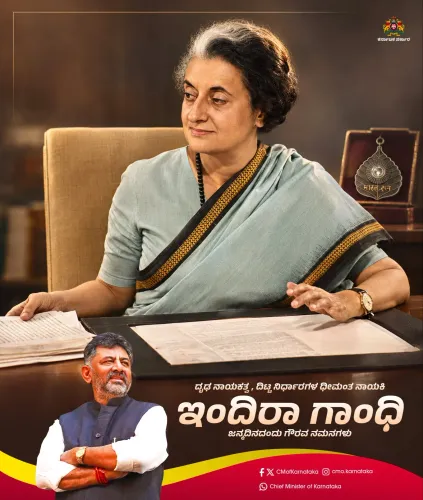
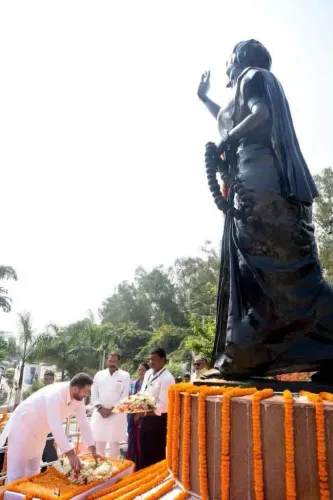
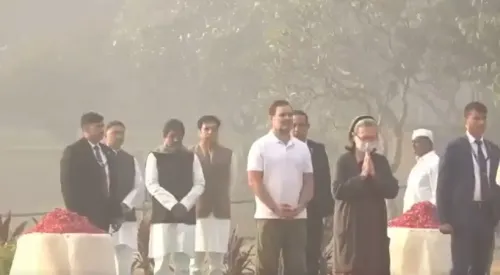
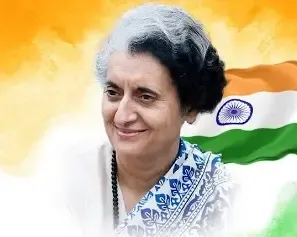
Prime Minister Narendra Modi on Thursday, 19 November 2026, paid homage to former Prime Minister Indira Gandhi on her 109th birth anniversary, honouring her legacy and contributions to the nation. Modi took to social media platform X to mark the occasion, which is observed across the country as National Integration Day.
Modi's Tribute
In his post on X, Prime Minister Modi wrote: 'Paying tribute to former Prime Minister Smt. Indira Gandhi Ji on her birth anniversary.' The brief but pointed message came as institutions and political leaders across the spectrum remembered one of India's most consequential leaders.
Life and Legacy of Indira Gandhi
Indira Gandhi, widely remembered as the 'Iron Lady of India', was born on 19 November 1917 in Allahabad, Uttar Pradesh, into a Kashmiri Pandit family. She was the daughter of Jawaharlal Nehru, India's first Prime Minister, and Kamala Nehru. She served as Prime Minister from 1966 to 1977 and again from January 1980 until her assassination in 1984, making her India's second-longest-serving Prime Minister after her father.
Gandhi entered Parliament as a member of the Rajya Sabha in August 1964, serving until February 1967, before being elected to the Lok Sabha, where she served during its fourth, fifth, and sixth terms.
Defining Moments of Her Tenure
Among the most transformative decisions of her tenure were the nationalisation of banks and the abolition of privy purses granted to former princely states — moves that reshaped India's economic and political landscape. Her most defining geopolitical moment came in 1971, when she led India through the India-Pakistan war, culminating in the creation of Bangladesh. That decisive leadership cemented her reputation on the world stage.
Notably, her tenure also included the controversial Operation Bluestar in 1984 — a military operation to flush out armed separatists sheltering inside the Golden Temple in Amritsar, one of Sikhism's holiest sites. The operation had far-reaching political and social consequences.
Assassination and Enduring Significance
Indira Gandhi was assassinated on 31 October 1984 by two of her bodyguards, in the months following Operation Bluestar. Her death triggered widespread unrest across the country.
Throughout her career, Gandhi emphasised national cohesion, working to bring together people from diverse regions, cultures, and communities under a shared national identity. National Integration Day is observed annually on 19 November to mark her birth anniversary and commemorate those contributions to India's unity.
As India marks another year since her birth, her tenure continues to be a subject of historical analysis — celebrated for its boldness, and scrutinised for its complexities.
Frequently Asked Questions
Why is 19 November observed as National Integration Day?
National Integration Day is observed on 19 November every year to mark the birth anniversary of former Prime Minister Indira Gandhi and to commemorate her contributions to national unity and integration. Gandhi emphasised bringing together people from India's diverse regions, cultures, and communities under a common national identity.
What were Indira Gandhi's most significant achievements as Prime Minister?
Indira Gandhi's tenure included the nationalisation of banks, the abolition of privy purses for former princely states, and decisive leadership during the 1971 India-Pakistan war that resulted in the creation of Bangladesh. She was India's second-longest-serving Prime Minister, serving from 1966 to 1977 and again from January 1980 to 1984.
How did Indira Gandhi die?
Indira Gandhi was assassinated on 31 October 1984 by two of her bodyguards at her official residence in New Delhi, months after she ordered Operation Bluestar — a military operation to remove armed separatists from the Golden Temple in Amritsar.
What was Operation Bluestar?
Operation Bluestar was a military operation launched in 1984 to flush out armed separatists who had taken shelter inside the Golden Temple in Amritsar, one of Sikhism's holiest shrines. The operation had deep political and communal consequences and directly preceded Indira Gandhi's assassination.
What did PM Modi say about Indira Gandhi on her birth anniversary?
Prime Minister Narendra Modi posted on social media platform X: 'Paying tribute to former Prime Minister Smt. Indira Gandhi Ji on her birth anniversary.' The post marked the 109th birth anniversary of the former Prime Minister on 19 November 2026.