PM Modi pays tribute to Rajiv Gandhi on death anniversary

Synopsis
Prime Minister Narendra Modi on 21 May 2026 posted a tribute to former PM Rajiv Gandhi on the anniversary of his 1991 assassination, continuing India's established tradition of cross party remembrance for predecessors.
Key Takeaways
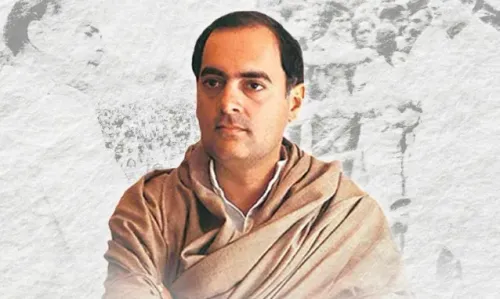
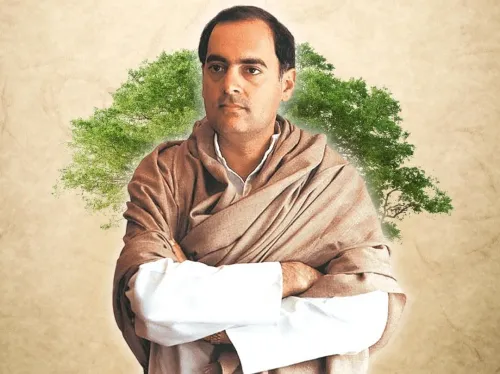
Prime Minister Narendra Modi paid tribute to former PM Rajiv Gandhi on 21 May 2026 , the death anniversary.
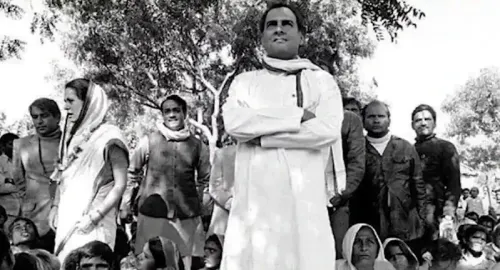
Rajiv Gandhi was assassinated on 21 May 1991 in Sriperumbudur, Tamil Nadu , during the general election campaign.
Gandhi served as Prime Minister from 1984 to 1989 and was India's youngest person to hold the office.
The tribute continues an established practice of sitting Prime Ministers honouring predecessors from other parties on death anniversaries.
The anniversary is observed as Sadbhavana Diwas by the Indian National Congress each year.
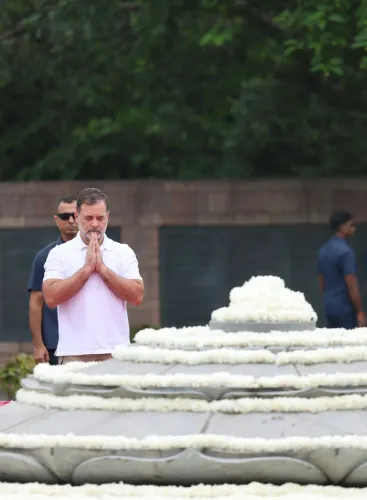
Prime Minister Narendra Modi paid tribute to former Prime Minister Rajiv Gandhi on Thursday, 21 May 2026, marking the anniversary of Gandhi's assassination in 1991. Modi's post on X offered condolences and remembrance for the leader who served as India's Prime Minister from 1984 to 1989.
Context
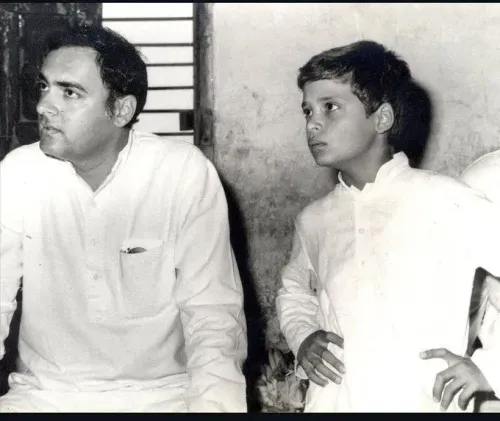
Rajiv Gandhi was assassinated on 21 May 1991 in Sriperumbudur, Tamil Nadu, during campaigning for the general elections. He was India's youngest Prime Minister and the son of former Prime Minister Indira Gandhi. His death anniversary, observed as Sadbhavana Diwas (Harmony Day) by the Indian National Congress, draws tributes from across the political spectrum each year.
Modi's post read: "Tributes to former Prime Minister Shri Rajiv Gandhi Ji on his death anniversary." The message was brief and solemn, consistent with the institutional tone typically adopted by sitting Prime Ministers on such occasions.
Policy Backdrop
Annual cross party commemorations of Rajiv Gandhi have been a feature of Indian political life since the early 1990s, shortly after his assassination during the 1991 Lok Sabha election campaign. The practice of sitting Prime Ministers paying public respects to predecessors from opposing parties has become a marker of institutional continuity in Indian democracy.
Rajiv Gandhi's tenure is associated with the liberalisation of India's telecom sector, the introduction of Panchayati Raj reforms, and early steps toward economic modernisation. His legacy remains a contested but significant reference point in Indian political discourse.
Stakeholders and Impact
The tribute carries symbolic weight for the Indian National Congress, the party Rajiv Gandhi led, and for his family — including Sonia Gandhi and Rahul Gandhi, who continue to hold prominent roles within the Congress. Cross party acknowledgements on such anniversaries are closely watched as signals of political temperament between rival formations.
For the broader public, especially in Tamil Nadu where Gandhi was killed, the anniversary holds deep emotional significance. State level commemorative programmes and party events typically accompany the national observance.
What's Next
Observers will watch for responses from Congress leadership and any references to Gandhi's legacy in upcoming parliamentary sessions or state level events. The annual commemoration often prompts renewed discussion of Rajiv Gandhi's policy contributions and the circumstances of his assassination, keeping his legacy active in political memory.
Point of View
Formal tribute reflects a well established norm in Indian democratic politics: sitting Prime Ministers publicly acknowledging predecessors across party lines, particularly on death anniversaries. The gesture carries institutional rather than partisan weight, signalling continuity of the office beyond political rivalry. In the current climate of sharp Congress BJP competition, such moments are watched closely for tone — and the restraint of a single solemn sentence is itself a deliberate political calibration. The tribute also keeps the question of Rajiv Gandhi's legacy — and the Congress party's custodianship of it — briefly in the national conversation.
NationPress
20 Sept 2026
Frequently Asked Questions
Why did PM Modi pay tribute to Rajiv Gandhi on 21 May 2026?
21 May is the death anniversary of former Prime Minister Rajiv Gandhi, who was assassinated on this date in 1991. It is customary for sitting Prime Ministers to pay respects to predecessors on such occasions.
How did Rajiv Gandhi die?
Rajiv Gandhi was assassinated on 21 May 1991 in Sriperumbudur, Tamil Nadu, by a suicide bomber during a campaign rally for the general elections.
How long did Rajiv Gandhi serve as Prime Minister of India?
Rajiv Gandhi served as Prime Minister of India from 1984 to 1989, making him the youngest person to hold the office at the time.
What is Sadbhavana Diwas?
Sadbhavana Diwas, or Harmony Day, is observed on 21 May each year by the Indian National Congress to commemorate Rajiv Gandhi's death anniversary and promote national integration.
Do Indian Prime Ministers regularly pay tribute to leaders from other parties?
Yes, cross party tributes on death anniversaries have been an established feature of Indian political life since the early 1990s, reflecting institutional continuity beyond partisan divides.