CM Himanta's Assam Eyes Expressways, Tunnel, Wildlife Corridor
Synopsis
The Chief Minister's Office of Assam on June 16, 2026 spotlighted four landmark projects — the Guwahati–Silchar Expressway, Kaziranga Elevated Corridor, Numaligarh–Gohpur Tunnel, and Guwahati–Tinsukia Expressway — as transformational steps for state connectivity under PM Modi's vision and CM Himanta Biswa Sarma's leadership.
Key Takeaways
The Chief Minister's Office of Assam on June 16, 2026 announced four flagship infrastructure projects for the state.
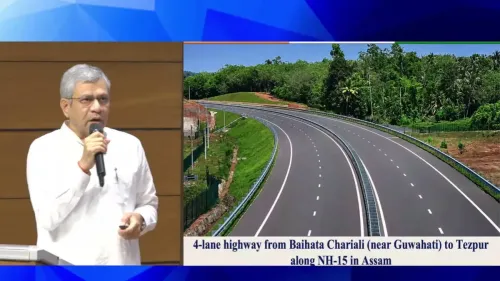
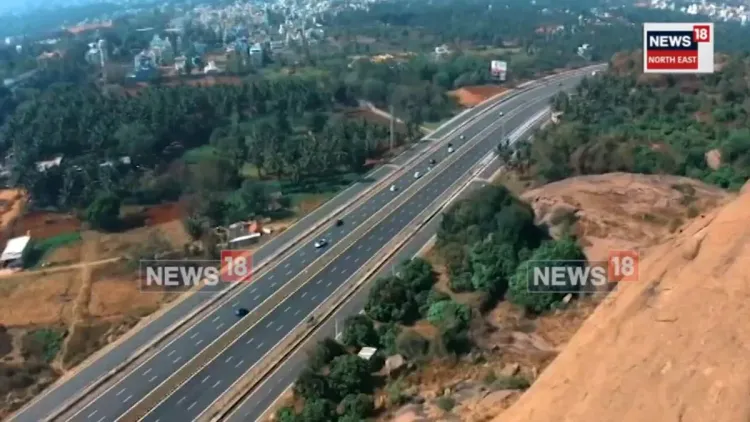
The Guwahati–Silchar Expressway and proposed Guwahati–Tinsukia Expressway aim to create high-speed corridors linking Assam's capital with southern and upper Assam districts.
The Kaziranga Elevated Corridor is designed to reduce vehicle-wildlife conflict at the UNESCO World Heritage Site that shelters the Indian one-horned rhinoceros.
The projects align with the Union government's Bharatmala Pariyojana and Act East Policy , continuing a Northeast connectivity push that produced the Dhola-Sadiya and Bogibeel bridges.
Environmental clearances, land acquisition, and tender awards remain key milestones before construction can advance on most of these corridors.
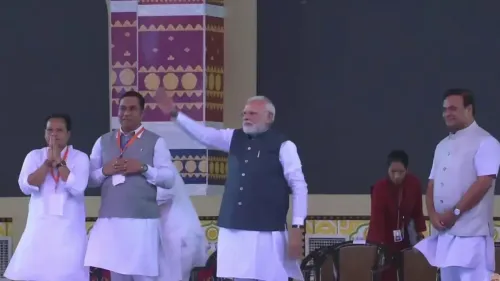
The Chief Minister's Office of Assam on Tuesday, June 16, 2026 announced that the state is poised for a sweeping infrastructure transformation, spotlighting four landmark connectivity projects set to reshape movement across Assam under the guidance of Prime Minister Narendra Modi and the leadership of Chief Minister Dr. Himanta Biswa Sarma.
The CMO's post described Assam as being 'set for a transformational infrastructure leap,' naming the Guwahati–Silchar Expressway, the Kaziranga Elevated Corridor, the Numaligarh–Gohpur Tunnel, and the proposed Guwahati–Tinsukia Expressway as the headline projects that 'will redefine connectivity and growth across the State.'
Context
Assam's geography has historically made year-round road connectivity a challenge. Seasonal flooding, hilly terrain in the south, and river crossings across the Brahmaputra basin have long constrained movement of people and goods within the state and between the Northeast and the rest of India. The four projects named by the CMO collectively address north-south, east-west, and wildlife-sensitive corridors that have remained bottlenecks for decades. The Guwahati–Silchar Expressway would link Assam's capital with the Barak Valley in the south, a route that currently involves winding hill roads through Meghalaya or a lengthy detour. The proposed Guwahati–Tinsukia Expressway would create a high-speed corridor through the Brahmaputra Valley to upper Assam's oil and tea heartland.Policy Backdrop
These projects sit within a broader federal policy architecture. The Bharatmala Pariyojana, launched in 2015, identified 34,800 km of priority national highways across India, with several Assam segments included. The Union government's Act East Policy has further framed Northeast connectivity as strategically important, positioning improved roads and tunnels as enablers of economic integration with Southeast Asia. Earlier milestones in this arc include the Dhola-Sadiya Bridge, inaugurated in 2017 — at the time India's longest river bridge — and the Bogibeel Bridge, opened in 2018, which provided the first combined road-rail crossing in upper Assam. The current slate of expressways and the Numaligarh–Gohpur Tunnel represents the next phase of that push. The Kaziranga Elevated Corridor carries particular significance. Kaziranga National Park, a UNESCO World Heritage Site and home to the world's largest population of the Indian one-horned rhinoceros, straddles National Highway 715, where vehicle-wildlife conflict has caused animal deaths. An elevated road through the park's buffer zone is intended to allow wildlife to move freely beneath while maintaining traffic flow above.Stakeholders and Impact
The projects, if completed on schedule, would benefit a wide cross-section of stakeholders. Residents of the Barak Valley and upper Assam districts would gain faster access to Guwahati for trade, healthcare, and education. Northeast traders moving goods toward ports and markets in mainland India would see logistics costs reduce significantly. Wildlife conservationists and the Kaziranga ecosystem stand to gain from reduced road-kill incidents if the elevated corridor design is executed with adequate underpasses and green channels. For Chief Minister Dr. Himanta Biswa Sarma, the infrastructure push is central to his administration's economic narrative, positioning Assam as a gateway state rather than a peripheral one within the Indian Union.What's Next
The pace of delivery will depend on environmental and wildlife clearances — particularly for the Kaziranga Elevated Corridor — as well as land acquisition processes and tender awards for the expressway alignments. The proposed Guwahati–Tinsukia Expressway is at a planning stage, and detailed project reports and funding allocations will be key milestones to track. As Assam positions itself as the logistics hub of the Northeast, the realisation of these corridors will be a defining test of both state capacity and central support under the Act East Policy framework.Point of View
Though the Guwahati–Tinsukia Expressway remains at a proposal stage and the Kaziranga corridor faces a delicate balance between development and conservation mandates. Historically, Northeast infrastructure announcements have faced long gaps between declaration and completion due to terrain, land acquisition disputes, and environmental reviews. The real test for Assam's administration will be whether these projects move from spotlight to shovel-ready within this political cycle.
NationPress
15 Sept 2026
Frequently Asked Questions
What is the Guwahati–Silchar Expressway?
The Guwahati–Silchar Expressway is a planned high-speed road corridor that would link Assam's capital Guwahati with Silchar in the Barak Valley, replacing a currently lengthy and winding route that passes through hilly terrain.
Why is the Kaziranga Elevated Corridor important?
The Kaziranga Elevated Corridor is designed to carry traffic above the ground level through the buffer zone of Kaziranga National Park, a UNESCO World Heritage Site, reducing vehicle-animal collisions that have historically caused deaths of one-horned rhinoceroses and other wildlife.
What is the Numaligarh–Gohpur Tunnel project?
The Numaligarh–Gohpur Tunnel is a proposed tunnel project in Assam aimed at improving connectivity between the Numaligarh area in Golaghat district and Gohpur in Biswanath district, crossing terrain that currently makes direct road links difficult.
How do these Assam expressway projects connect to Bharatmala Pariyojana?
Bharatmala Pariyojana, launched in 2015 by the Union government, identified 34,800 km of priority national highways across India and included several Assam corridors, providing the policy and funding framework within which projects like the Guwahati–Silchar Expressway are being developed.
What is the current status of the Guwahati–Tinsukia Expressway?
The Guwahati–Tinsukia Expressway has been described as 'proposed,' meaning it is at a planning stage; detailed project reports, environmental clearances, and funding allocations are yet to be publicly confirmed.