Assam to open 7 Delhi facilities for visitors, including Naamghar and tribal bhawans
Synopsis
Assam is building not just guest houses in Delhi — it is constructing a cultural network. With seven facilities planned, including a Naamghar, Karbi Bhawan, Dimasa Bhawan, and a likely Barak Bhawan, CM Himanta Biswa Sarma is making a pointed statement about Assam's diversity and the state's intent to serve every community that travels to the capital.
Key Takeaways
Assam CM Himanta Biswa Sarma announced seven dedicated facilities in New Delhi for Assamese visitors on 19 July .
Three new complexes are being developed in Central Delhi and Dwarka , in addition to the existing Assam House .
One complex will include a Naamghar (traditional Assamese prayer hall) and a convention hall .
Karbi Bhawan and Dimasa Bhawan are currently under construction in Dwarka for tribal community members.
A Barak Bhawan for residents of the Barak Valley region is also being planned.
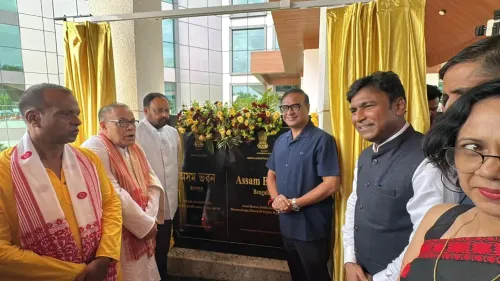
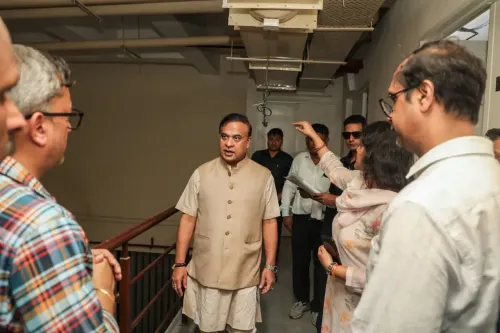
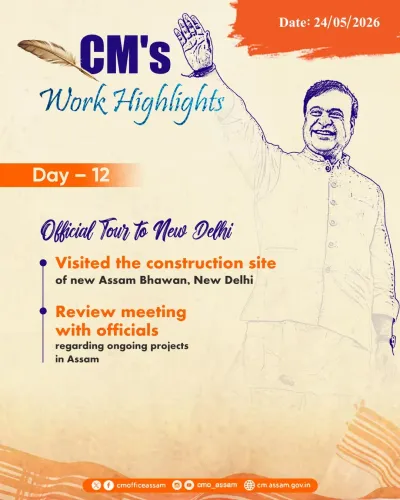
Assam Chief Minister Himanta Biswa Sarma on Sunday, 19 July announced that the state will establish seven dedicated facilities in New Delhi to serve Assamese visitors, students, patients, and government officials — a significant expansion beyond the existing Assam House. The announcement was made while addressing reporters in Guwahati.
Key Developments
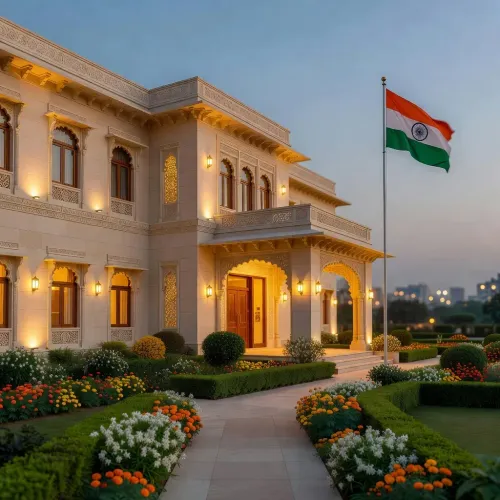
Beyond the long-standing Assam House, which has served as the state's official guest house in the capital, three new complexes are currently being developed in Central Delhi and Dwarka. Chief Minister Sarma said, 'Assam will soon have seven dedicated spaces in New Delhi for our people visiting the national capital.'
One of the upcoming complexes will feature a Naamghar — the traditional Assamese community prayer hall — alongside a convention hall, positioning it as a hub for cultural, religious, and community activities for the Assamese diaspora in Delhi.
Tribal Community Facilities Under Construction
Two community-specific facilities — Karbi Bhawan and Dimasa Bhawan — are currently under construction in Dwarka. These projects are designed to provide dedicated accommodation and cultural spaces for members of the Karbi and Dimasa communities who reside in or travel to the capital.
Barak Valley Facility on the Horizon
Sarma also signalled plans for a facility catering specifically to residents of the Barak Valley region. 'Next: most likely a Barak Bhawan,' he said, indicating the government's intention to ensure that all major linguistic and cultural communities of Assam have a dedicated presence in Delhi.
Why This Expansion Matters
The push to expand state-run facilities in Delhi reflects a growing recognition that Assamese citizens — particularly students, job seekers, and patients seeking specialised medical care — face accommodation and logistical challenges in the capital. Notably, the inclusion of a Naamghar goes beyond mere lodging infrastructure, signalling an effort to preserve Assamese cultural and religious identity among the diaspora. This is part of a broader pattern seen across Indian states, many of which maintain bhawans in Delhi as both practical and symbolic anchors for their communities.
The expanded network is expected to substantially increase lodging capacity while also serving as cultural centres for Assam's diverse communities. The state government's next steps on timelines and funding for these projects are awaited.
Point of View
Dimasa, and Barak Valley communities separately, Sarma is acknowledging Assam's internal diversity in a way that generic 'Assam House' expansions never could. The inclusion of a Naamghar is particularly significant: it signals that the state sees cultural preservation, not just accommodation, as a government responsibility. Whether the projects are delivered on schedule will be the real test — state bhawan expansions have historically faced delays and cost overruns across India.
NationPress
19 Oct 2026
Frequently Asked Questions
How many facilities is Assam planning in New Delhi?
Assam is planning a total of seven dedicated facilities in New Delhi, according to Chief Minister Himanta Biswa Sarma. These include the existing Assam House, three new complexes in Central Delhi and Dwarka, Karbi Bhawan, Dimasa Bhawan, and a proposed Barak Bhawan.
What is a Naamghar and why is it being built in Delhi?
A Naamghar is a traditional Assamese community prayer hall used for religious and cultural gatherings. The Assam government is including one in an upcoming Delhi complex to serve the Assamese diaspora's cultural and religious needs in the national capital.
Who will benefit from Karbi Bhawan and Dimasa Bhawan in Dwarka?
Karbi Bhawan and Dimasa Bhawan, currently under construction in Dwarka, are intended for members of the Karbi and Dimasa tribal communities from Assam who reside in or travel to Delhi for work, study, or medical purposes.
What is the Barak Bhawan announced by CM Sarma?
Barak Bhawan is a proposed facility for people from the Barak Valley region of Assam. CM Sarma indicated it is the likely next project after the facilities currently under development, though a formal timeline has not been announced.
Why is Assam expanding its infrastructure in New Delhi?
The expansion aims to improve support for Assamese citizens — including students, patients, job seekers, and government officials — who travel to Delhi. It also seeks to promote Assam's cultural identity and preserve community heritage through dedicated cultural spaces.