CM Himanta Announces VB-GRAM Act From July 1, Rs 2,000 Cr Released
Synopsis
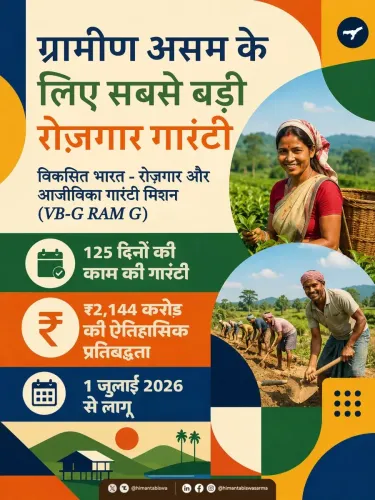
Assam CM Himanta Biswa Sarma, after a cabinet meeting on 13 June 2026, announced full implementation of the VB-GRAM Act from 1 July, backed by a Rs 2,000 crore state release giving each Panchayat an average of Rs 1 crore for execution.
Key Takeaways
The VB-GRAM Act will be fully implemented in Assam from 1 July 2026 , as announced by CM Himanta Biswa Sarma after a cabinet meeting on 13 June 2026 .
The Assam government will release Rs 2,000 crore to support the Act's implementation across the state.
Each Panchayat will receive an average of Rs 1 crore for effective execution of the Act's provisions.
The move strengthens panchayati raj institutions in line with the 73rd Constitutional Amendment of 1992 and national decentralisation frameworks.
Fund utilisation by Panchayats and state compliance monitoring after 1 July will be the key metrics to watch.
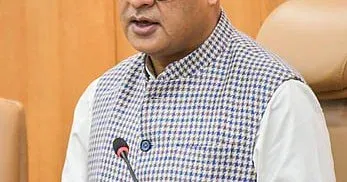
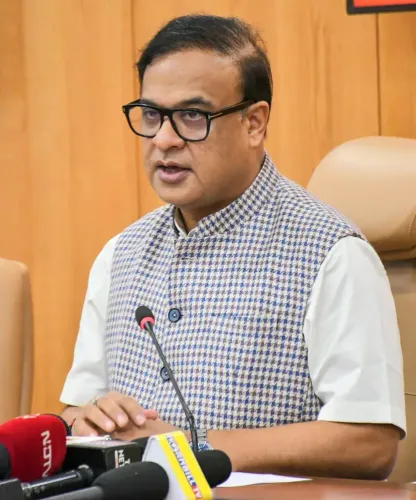
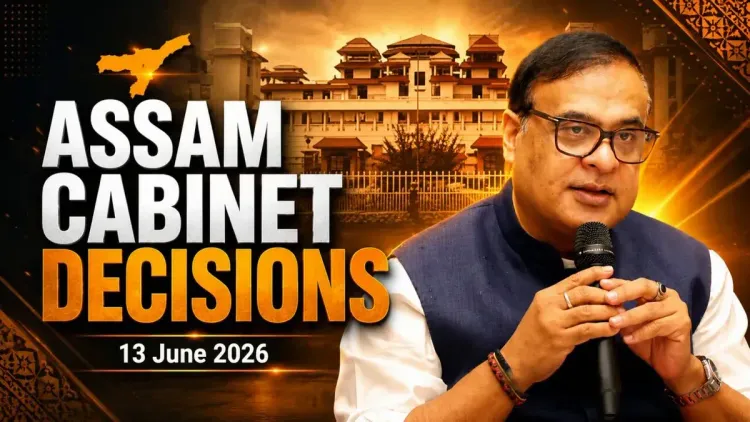
The Chief Minister's Office of Assam announced on Saturday, 13 June 2026 that Chief Minister Dr. Himanta Biswa Sarma addressed the media following an Assam Cabinet meeting, confirming that the VB-GRAM Act will be fully implemented from 1 July 2026 and that the state government will release Rs 2,000 crore to support its rollout.
Context
Speaking to reporters after the cabinet session, CM Himanta Biswa Sarma said the provisions of the VB-GRAM Act would come into full effect from 1 July. He confirmed that each Panchayat across Assam would receive an average of Rs 1 crore for the effective execution of the Act's mandates. The announcement signals a concrete fiscal commitment to operationalising the legislation at the grassroots level.
Policy Backdrop
The VB-GRAM Act is a state legislation that provides a framework for village-level governance and the functioning of panchayati raj institutions in Assam. Its implementation draws on the constitutional foundation laid by the 73rd Constitutional Amendment of 1992, which established the basis for devolution of powers to rural local bodies across India. Assam has pursued incremental strengthening of these institutions through legislative and financial measures in recent years, consistent with national frameworks for decentralised governance and rural development.
The decision to channel funds directly to Panchayats — averaging Rs 1 crore per body — reflects a broader pattern of direct fund transfers to local bodies, bypassing intermediate tiers and placing execution responsibility at the village level. The total outlay of Rs 2,000 crore underscores the scale of the state's commitment to this round of decentralisation.
Stakeholders and Impact
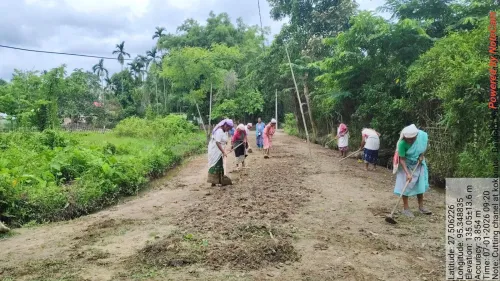
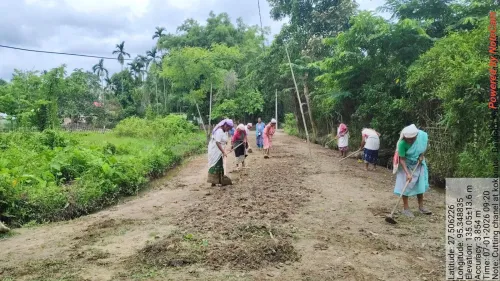
The primary beneficiaries of the announcement are elected Panchayats and rural communities across Assam, who will gain both the legal authority and the financial resources to implement local development programmes under the Act. Rural local bodies, long constrained by limited independent funding, stand to gain significant operational capacity through this allocation. The move is expected to affect governance delivery across hundreds of villages in the state.
For elected Panchayat representatives, the rollout from 1 July 2026 sets a firm administrative deadline, requiring preparedness in fund management, accountability mechanisms, and compliance with the Act's provisions. State officials and district administrations will play a supervisory role in ensuring that the funds are utilised as mandated.
What's Next
With the 1 July 2026 implementation date now confirmed, attention will turn to the mechanics of fund disbursement to individual Panchayats and the monitoring frameworks the state government puts in place. Any state-level review meetings or compliance audits following the rollout will be closely watched as indicators of how effectively the Act translates into on-ground change. The success of this initiative could set a precedent for how Assam approaches further devolution of financial and administrative powers to its rural local bodies.
Point of View
Translating the VB-GRAM Act from statute to funded policy in a single cabinet cycle. Channelling an average of Rs 1 crore directly to each Panchayat reflects a deliberate push to bypass bureaucratic bottlenecks and vest execution authority at the village level. This aligns with a broader national trend of direct benefit and fund transfers to local bodies, but the true test will lie in accountability structures and utilisation rates post-July. For the Assam BJP government, the rollout also carries political salience ahead of future electoral cycles in a state where rural constituencies are decisive.
NationPress
19 Sept 2026
Frequently Asked Questions
What is the VB-GRAM Act in Assam?
The VB-GRAM Act is an Assam state legislation that provides a legal framework for village-level governance and the functioning of panchayati raj institutions. Its full implementation has been announced from 1 July 2026.
How much money will each Panchayat in Assam receive under the VB-GRAM Act?
Each Panchayat in Assam will receive an average of Rs 1 crore for the effective execution of the VB-GRAM Act, as part of a total state release of Rs 2,000 crore.
When will the VB-GRAM Act be implemented in Assam?
The VB-GRAM Act will be fully implemented from 1 July 2026, as confirmed by Chief Minister Himanta Biswa Sarma after the Assam Cabinet meeting on 13 June 2026.
What did the Assam Cabinet decide on 13 June 2026?
After the Assam Cabinet meeting on 13 June 2026, CM Himanta Biswa Sarma announced the full implementation of the VB-GRAM Act from 1 July and the release of Rs 2,000 crore to support panchayat-level execution.
What is the total fund released by Assam for panchayat governance in 2026?
The Assam government has announced a release of Rs 2,000 crore to support the implementation of the VB-GRAM Act, with individual Panchayats receiving an average of Rs 1 crore each.