CM Himanta Reviews Assam Zoo's ₹362 Cr Transformation
Synopsis
Assam Chief Minister Himanta Biswa Sarma has confirmed that the ₹362 crore redevelopment of the Assam State Zoo in Guwahati has crossed 25 per cent completion. The project aims to recreate a natural forest ecosystem to significantly upgrade the visitor experience at the 1957-established zoological park.
Key Takeaways
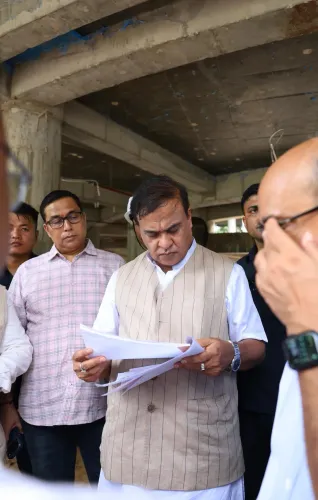
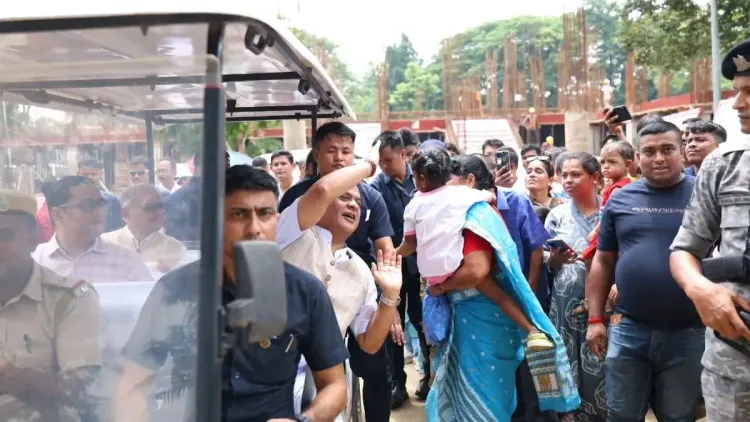
Chief Minister Himanta Biswa Sarma conducted an on-site review of the Assam State Zoo redevelopment on 11 July 2026 .
The project has achieved over 25 per cent progress, with roughly 75 per cent of work still remaining.
Total project outlay is ₹362 crore , making it one of the largest single zoo-infrastructure investments in Northeast India.
The redevelopment will recreate a natural forest ecosystem to enhance the visitor experience at the zoo.
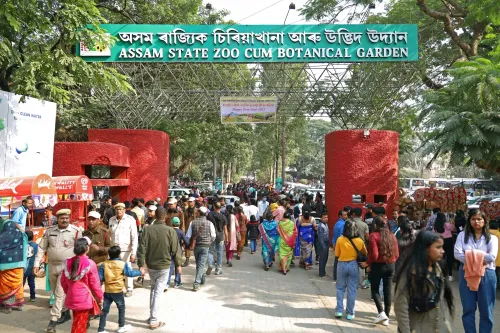
The Assam State Zoo , established in 1957 , is managed by the Assam Forest Department and is a key tourism and conservation site in Guwahati.
The project aligns with the Assam government's broader strategy of modernising existing public and tourism infrastructure rather than building new facilities.
Assam Chief Minister Himanta Biswa Sarma on Saturday, 11 July 2026 shared a progress update on the ₹362 crore redevelopment of the Assam State Zoo in Guwahati, disclosing that the project has crossed the 25 per cent completion mark.
Context
Posting on X after an on-site review, the Chief Minister wrote: 'Reviewed this project today and sharing an update' — noting that once complete, the zoo will 'significantly enhance the visitor experience by recreating its natural forest ecosystem.' The update, accompanied by five video clips, offers the first publicly confirmed progress figure for a project that represents one of the largest single infrastructure investments in the state's zoo and wildlife tourism sector.
The Assam State Zoo, established in 1957 and managed by the Assam Forest Department, is the primary zoological park in Guwahati and a major tourism and conservation landmark in Northeast India. The redevelopment aims to move away from conventional cage-based enclosures toward a naturalistic, forest-ecosystem model designed to improve both animal welfare and visitor immersion.
Policy Backdrop
The project is part of a broader push by the Assam government under Chief Minister Sarma to modernise existing public recreational and tourism infrastructure rather than build new facilities from scratch. Since taking office in May 2021, Sarma has repeatedly emphasised upgrading heritage institutions — from wildlife parks to cultural sites — as a lever for boosting tourism revenue across the state.
A forest-ecosystem recreation model at a zoo aligns with international best practices increasingly adopted by Indian zoological parks, where naturalistic habitats are shown to improve animal health indicators and drive repeat visitor footfall. The ₹362 crore outlay signals the scale of ambition behind the Guwahati facility's overhaul.
Stakeholders and Impact
The primary beneficiaries are the estimated hundreds of thousands of visitors who pass through the Assam State Zoo each year, along with the broader Guwahati tourism and hospitality ecosystem that depends on anchor attractions. Wildlife conservationists and the zoo's resident animal population stand to benefit from enclosures that more closely replicate natural habitats.
Contractors and the construction supply chain currently executing the remaining roughly 75 per cent of the project will face scrutiny on delivery timelines, particularly given the scale of civil and landscaping work required to recreate a forest ecosystem within an urban zoo setting. The Assam Forest Department, as the managing body, will oversee both the build-out and the eventual operational transition.
What's Next
With one quarter of the project complete, attention will now turn to the official completion timeline and whether subsequent phases will be tendered or executed through existing contracts. Any acceleration in progress — or delays — is likely to be flagged by the Chief Minister through further on-site reviews, given the political visibility the project has now received.
A successful transformation of the Assam State Zoo into a forest-ecosystem destination could serve as a template for similar upgrades at other wildlife and public recreation facilities across Northeast India, reinforcing Guwahati's positioning as a regional tourism hub.
Point of View
Two policy priorities with broad public appeal. At 25 per cent completion, the announcement is as much about demonstrating governance momentum as it is about project milestones. How the remaining three-quarters of the ₹362 crore is executed — on time and on budget — will be the real test of the administration's infrastructure delivery record ahead of future electoral cycles.
NationPress
10 Oct 2026
Frequently Asked Questions
What is the Assam State Zoo redevelopment project?
The Assam State Zoo redevelopment is a ₹362 crore infrastructure project to transform the Guwahati zoo — established in 1957 — by recreating a natural forest ecosystem, aimed at significantly improving the visitor experience and animal habitats.
How much of the Assam Zoo renovation is complete?
As of 11 July 2026, over 25 per cent of the ₹362 crore Assam State Zoo redevelopment project has been completed, according to Chief Minister Himanta Biswa Sarma.
Who is overseeing the Assam Zoo transformation?
The Assam State Zoo is managed by the Assam Forest Department. Chief Minister Himanta Biswa Sarma has been personally reviewing the project's progress and sharing updates publicly.
When will the Assam State Zoo redevelopment be finished?
An official completion date has not yet been announced. With 25 per cent of the work done as of July 2026, the remaining timeline and phase-wise tender details are awaited from the Assam government.
What will the new Assam Zoo look like after redevelopment?
The redeveloped Assam State Zoo is designed to recreate a natural forest ecosystem, moving away from conventional enclosures to offer visitors an immersive wildlife experience in a naturalistic setting.