Chandrashekhar Azad hails Jamia students' union revival, slams UP govt job bar
Synopsis
Jamia Millia Islamia's students' union is back after 19 years — and Chandrashekhar Azad is using the moment to frame a 2027 battleground. His dual salvo: credit the students for a historic win, and accuse the UP government of deploying job-denial as a weapon against youth protest.
Key Takeaways
Chandrashekhar Azad of the Azad Samaj Party congratulated Jamia Millia Islamia students on 30 October for securing the restoration of their students' union.
The Jamia Millia Islamia Students' Union was dissolved in 2006 after nearly two decades without elections; a fresh protest over two weeks ago reversed that ban.
Azad sharply criticised the Uttar Pradesh government's reported move to deny government jobs to individuals accused of seeking 'regime change through violent means'.
He called the measure a 'scared move by a scared government' designed to suppress youth and unemployed protesters through legal means.
Azad warned the Adityanath administration of electoral consequences, saying it would be 'taught a lesson in 2027 ' at the next UP Assembly elections .
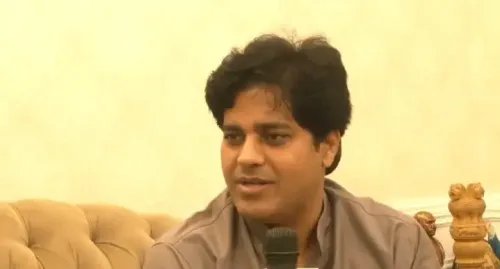
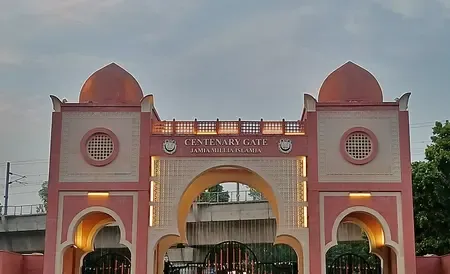
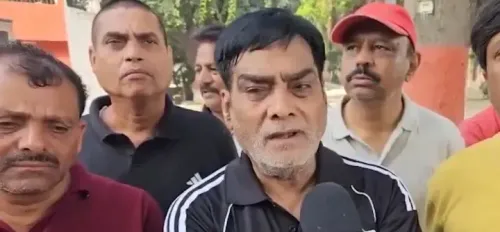
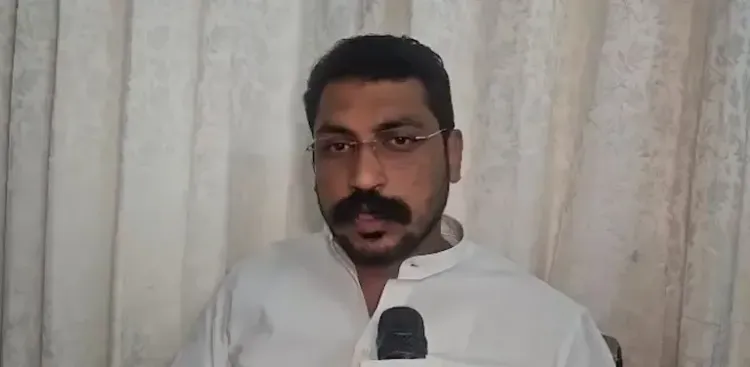
Azad Samaj Party chief and Member of Parliament Chandrashekhar Azad on Friday, 30 October congratulated students of Jamia Millia Islamia in New Delhi on the restoration of their students' union, calling it a hard-won outcome of sustained protest. He simultaneously launched a sharp attack on the Uttar Pradesh government led by Chief Minister Yogi Adityanath, accusing it of targeting young protesters by denying government employment to individuals allegedly accused of seeking 'regime change through violent means'.
Jamia Students' Union: A 19-Year Wait Ends
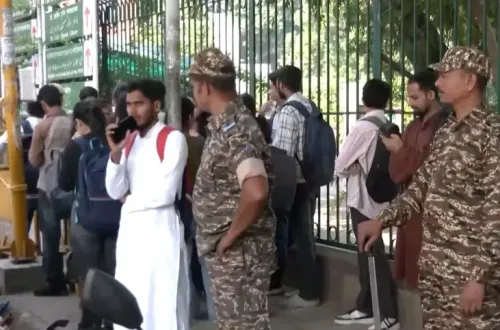
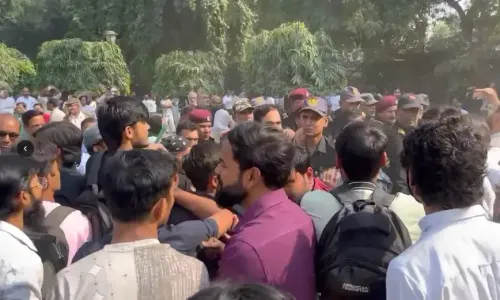
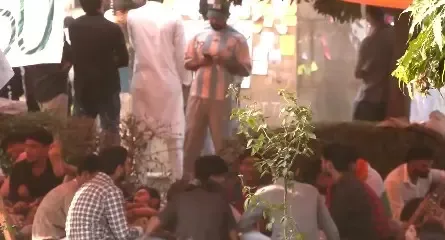
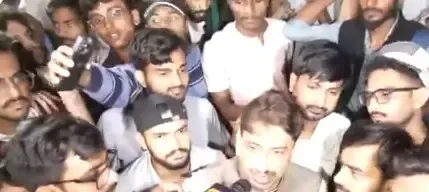
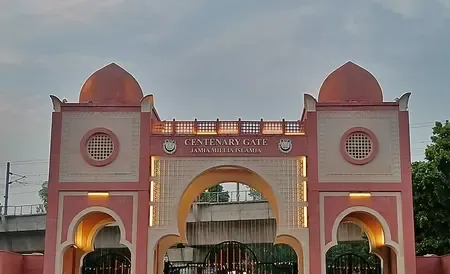
The Student Union of Jamia Millia Islamia was dissolved in 2006 following what the university administration described as 'violent activities', leaving the institution without any student elections for nearly two decades. A fresh protest campaign, launched over two weeks ago, succeeded in persuading the administration to restore the union and announce elections. The Jamia administration's new order also reportedly covers additional disciplinary actions that would be rolled back.
Azad credited the result directly to student perseverance. 'It is the result of a struggle. I congratulate the students of Jamia, my young friends, brothers and sisters, for their persistent struggle. It is because of their efforts that the administration opened the path for these elections,' he said.
AMU Movement as a Catalyst
Azad also referenced ongoing student activism at Aligarh Muslim University (AMU), arguing that protest movements at one institution can inspire others to assert their rights. 'When a struggle takes place, it serves as an inspiration to others. That is what happened here,' he said, while extending congratulations to candidates who would contest the Jamia polls.
Azad's Criticism of UP Government's Job Restriction Move
At the centre of Azad's political broadside was a reported decision by the Uttar Pradesh government to bar individuals allegedly accused of attempting 'regime change through violent means' from government jobs. Azad claimed the move was designed to suppress youth-led protest movements rather than address any genuine security concern.
'This is a scared move by a scared government,' he said, adding that the youth and the unemployed constitute the most active sections of any protest movement, and that invoking the law against them amounted to hiding behind legal cover to stifle dissent.
'They want to suppress the protests through legal means. They are hiding behind the law. The youth and unemployed are protesting the most. They are trying to suppress the youth. They are trying to suppress the movement,' Azad said.
A Warning Shot at 2027 UP Assembly Elections
Describing the Adityanath administration as 'anti-youth', Azad alleged that the government had consistently failed to address the aspirations and grievances of young people. He issued a pointed warning, invoking the next state electoral cycle: 'This is an anti-youth government that does not care about the youth of the nation. They will be taught a lesson in 2027,' he said, referring to the Uttar Pradesh Assembly elections due that year.
This comes amid a broader national debate over the boundaries of dissent, employment eligibility, and government responses to student and youth movements. With the 2027 UP polls now firmly on the political radar, Azad's remarks signal an early mobilisation effort targeting young and first-time voters who feel locked out of both jobs and political representation.
Point of View
Where youth unemployment and civil liberties are emerging as fault lines. The UP government's reported job-bar for 'regime change' accused has yet to be tested in court, and its legal durability is uncertain; Azad is betting that its political optics — punishing protesters economically — will alienate a demographic that any party in UP can ill afford to lose. Meanwhile, the Jamia union restoration, while a campus milestone, points to a wider pattern of student bodies reasserting themselves after years of administrative curbs. The mainstream coverage tends to treat these as separate stories; they are, in fact, two fronts of the same generational contest over who controls the terms of dissent in India.
NationPress
30 Oct 2026
Frequently Asked Questions
Why was the Jamia Millia Islamia students' union dissolved in the first place?
The Jamia Millia Islamia students' union was dissolved in 2006 by the university administration citing 'violent activities', after which no student elections were held for nearly 19 years. A fresh student protest launched over two weeks ago persuaded the administration to restore the union and permit elections.
What is the UP government's reported job restriction that Azad criticised?
The Uttar Pradesh government reportedly announced a policy to deny government employment to individuals accused of seeking 'regime change through violent means'. Azad alleged the move targets youth and unemployed protesters, accusing the government of using legal mechanisms to suppress dissent.
Who is Chandrashekhar Azad and why did he weigh in on these issues?
Chandrashekhar Azad is the founder and chief of the Azad Samaj Party and a sitting Member of Parliament known for championing Dalit and youth rights. His comments on Jamia and the UP job bar are widely seen as part of an early campaign to consolidate youth and marginalised-community support ahead of the 2027 Uttar Pradesh Assembly elections.
What did Azad say about the AMU student movement?
Azad cited student activism at Aligarh Muslim University as an inspiration that helped catalyse the Jamia protest, arguing that a successful struggle at one institution encourages students elsewhere to assert their rights.
What is the political significance of Azad's '2027' warning?
By saying the UP government 'will be taught a lesson in 2027', Azad was explicitly framing the Yogi Adityanath administration's youth policies as an electoral liability, signalling that the Azad Samaj Party intends to contest the next Uttar Pradesh Assembly elections on issues of youth employment and civil liberties.