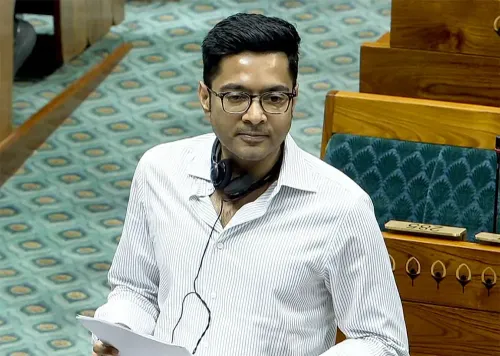
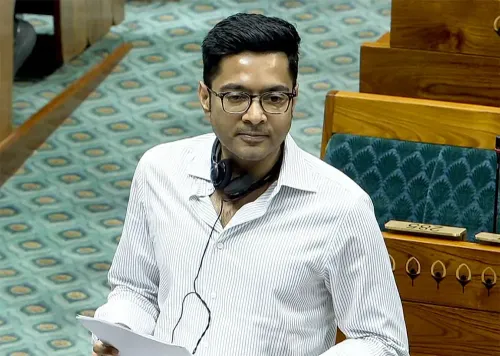
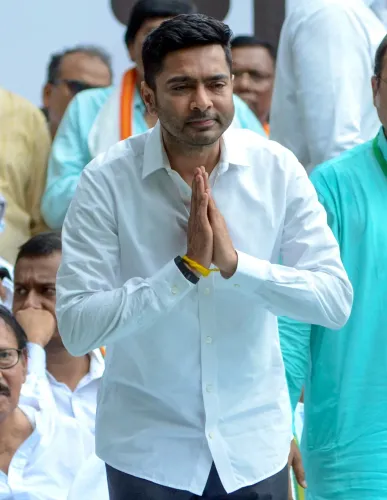
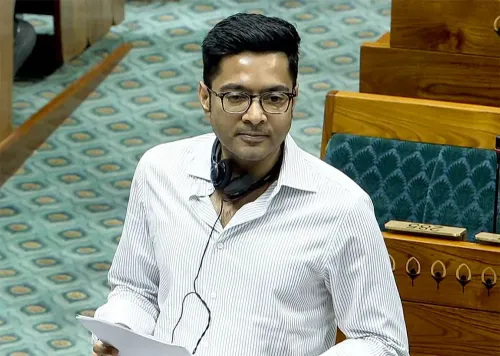
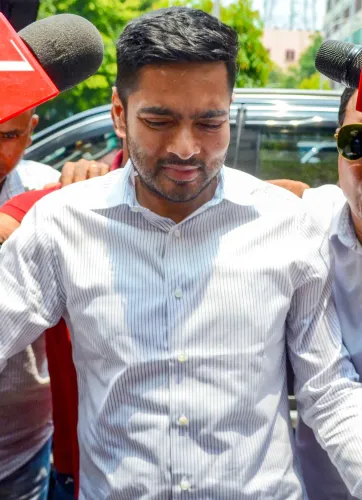
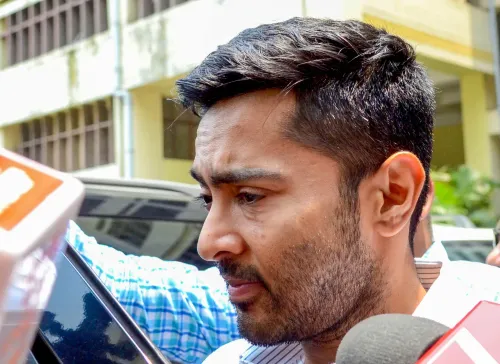
Abhishek Banerjee moves Supreme Court over denied overseas eye treatment
Synopsis
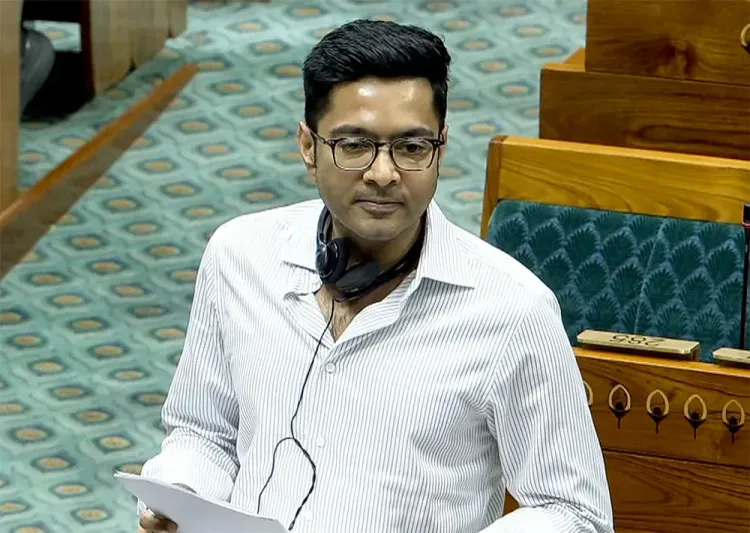
TMC general secretary Abhishek Banerjee has taken his fight for US eye treatment to the Supreme Court after the Calcutta High Court refused immediate permission and instead ordered a domestic medical board review. With criminal proceedings over alleged election speeches still pending, the apex court's ruling on 3 August will test how far medical necessity can override judicial conditions in high-profile political cases.
Key Takeaways
Abhishek Banerjee filed a Special Leave Petition ( SLP(Crl) Nos.
13555-13556/2026 ) in the Supreme Court against the Calcutta High Court's refusal to allow overseas eye treatment.
The petition is expected to be listed for hearing on 3 August .
On 20 July , Justice Saugata Bhattacharyya declined immediate foreign travel permission and directed Banerjee to consult specialists at S.S.K.M.
Medical College and Hospital , Kolkata first.
Banerjee has been receiving ophthalmic treatment in the United States for nearly a decade following an eye injury in a road accident in October 2016 .
The West Bengal government opposed the foreign travel plea, citing pending cases and potential complications for investigations.
Banerjee's interim protection from arrest has been extended until 6 October , with a condition requiring court approval before any overseas travel.
All India Trinamool Congress (TMC) general secretary and Diamond Harbour Lok Sabha member Abhishek Banerjee has approached the Supreme Court, challenging the Calcutta High Court's refusal to grant him permission to travel abroad for ophthalmic treatment. The petition, registered as SLP(Crl) Nos. 13555-13556/2026, is likely to be taken up for hearing on 3 August, according to the apex court's official case status portal.
Background: Why Banerjee Sought Foreign Travel
Banerjee had first moved the Calcutta High Court on 23 June seeking a seven-day window to travel abroad for ophthalmic care, disclosing that he had been receiving treatment in the United States for nearly a decade following a serious eye injury sustained in a road accident in October 2016. The accident occurred while he was returning to Kolkata from a political programme in Murshidabad. He subsequently underwent treatment at hospitals both in India and abroad.
What the Calcutta High Court Decided
On 20 July, a single-judge bench of Justice Saugata Bhattacharyya declined to immediately permit the TMC leader to travel overseas. Instead, the court directed him to first consult specialists at the state-run S.S.K.M. Medical College and Hospital in Kolkata. The High Court stated it would revisit the foreign travel request only after reviewing a report from a medical board to be constituted by the head of the ophthalmology department at S.S.K.M. The bench simultaneously extended Banerjee's interim protection from coercive police action — including arrest — until 6 October, subject to conditions, and directed him to continue cooperating with investigators.
West Bengal Government's Opposition
The West Bengal government opposed Banerjee's plea for overseas travel. Additional Advocate General Rajdeep Mazumdar submitted before the High Court that several cases involving the TMC leader remained pending and that permitting him to travel abroad could complicate ongoing investigations. The condition requiring court permission before any foreign travel had been attached to the interim protection order granted to Banerjee earlier.
The Underlying Legal Proceedings
The case is linked to allegations that Banerjee made hate and violence-inciting speeches during campaigning for the West Bengal Assembly elections, including remarks that allegedly threatened Union Home Minister Amit Shah. Banerjee, the nephew of former West Bengal Chief Minister Mamata Banerjee, has denied wrongdoing. The interim protection from arrest was granted subject to conditions, one of which is the mandatory court approval before travelling abroad — the very condition now at the centre of his Supreme Court petition.
What Happens Next
The Special Leave Petition is expected to be listed before the Supreme Court on 3 August. The apex court's ruling will determine whether Banerjee can seek treatment abroad while his cases remain pending, or whether the High Court's directive for a domestic medical board review must first be complied with. The outcome could also set a precedent for how courts balance medical necessity against ongoing criminal proceedings for public figures.
Point of View
But it sidesteps the fact that Banerjee has been under specialist care abroad for nearly a decade — making a fresh domestic assessment appear more like a procedural hurdle than a genuine clinical necessity check. The West Bengal government's opposition, framed around investigative complications, raises a harder question: can the state effectively use pending proceedings to constrain a political opponent's access to established medical care? The Supreme Court's response on 3 August will be closely watched not just for this case, but as a signal on how the judiciary calibrates personal liberty against conditional bail-like protections in high-profile political matters.
NationPress
13 Sept 2026
Frequently Asked Questions
Why has Abhishek Banerjee approached the Supreme Court?
Abhishek Banerjee has filed a Special Leave Petition in the Supreme Court challenging the Calcutta High Court's refusal to grant him immediate permission to travel abroad for ophthalmic treatment. The High Court instead directed him to first consult specialists at S.S.K.M. Medical College and Hospital in Kolkata.
What is the background of Banerjee's eye condition?
Banerjee sustained serious eye injuries in a road accident in October 2016 while returning to Kolkata from a political programme in Murshidabad. He has since been receiving treatment in the United States for nearly a decade, and had sought court permission to continue that overseas care.
Why did the Calcutta High Court refuse immediate permission for overseas travel?
On 20 July, Justice Saugata Bhattacharyya declined to immediately permit foreign travel, directing Banerjee to first be examined by a medical board at S.S.K.M. Medical College and Hospital. The court said it would decide on overseas travel only after reviewing that board's report.
What is the criminal case against Abhishek Banerjee?
The proceedings relate to allegations that Banerjee made hate and violence-inciting speeches during West Bengal Assembly election campaigning, including remarks allegedly threatening Union Home Minister Amit Shah. He has been granted interim protection from arrest subject to conditions, including mandatory court approval before travelling abroad.
When will the Supreme Court hear Banerjee's petition?
According to the apex court's official case status portal, the SLP is likely to be listed for hearing on 3 August. The ruling will determine whether Banerjee can travel abroad for treatment while his cases remain pending.