Calcutta HC denies Abhishek Banerjee permission for abroad eye treatment
Synopsis
The Calcutta High Court dismissed Abhishek Banerjee's petition for overseas eye treatment after the TMC general secretary refused to first consult state-run S.S.K.M. Hospital as directed — a procedural non-compliance that cost him not just travel permission but the entire case. With the Supreme Court having already sent the matter back, his legal options are now significantly narrowed.
Key Takeaways
Calcutta High Court denied Abhishek Banerjee permission to travel abroad for eye treatment on 5 August .
Justice Sougata Bhattacharya also dismissed the entire petition after Banerjee's counsel said he would not consult S.S.K.M.
Medical College and Hospital as directed.
The Supreme Court — comprising CJI Surya Kant , Justice Joymalya Bagchi , and Justice Venkita Subramani Mohan — had last week referred the matter back to the Calcutta High Court with a seven-day deadline.
West Bengal's Additional Advocate General Rajdeep Majumdar argued that Banerjee, now an accused in multiple cases, poses a flight risk if permitted to travel abroad.
Banerjee's counsel Rebecca Mammen John had argued he was previously allowed to travel abroad in an ED -registered case, which the state disputed on grounds that his legal status has since changed.
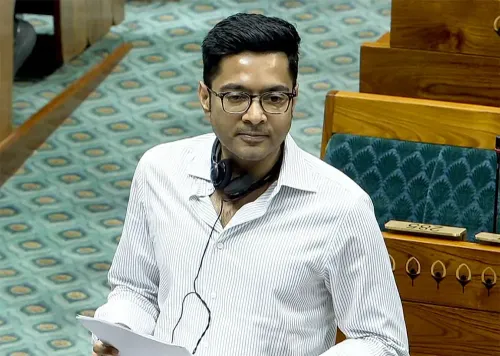
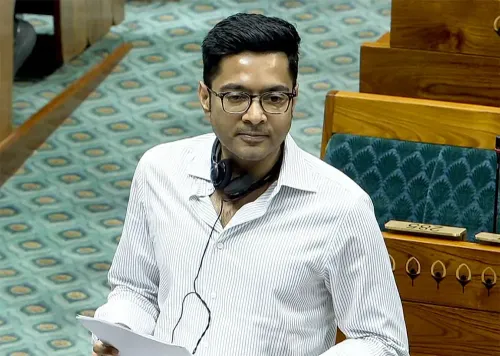
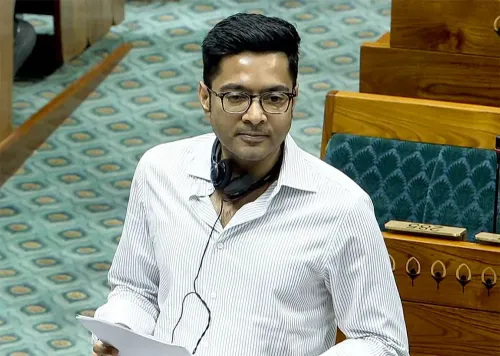
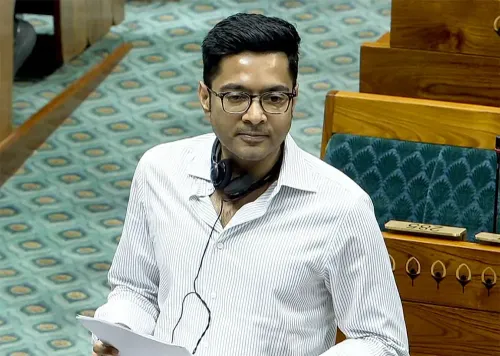
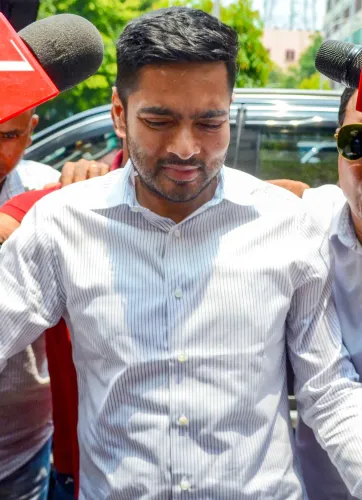
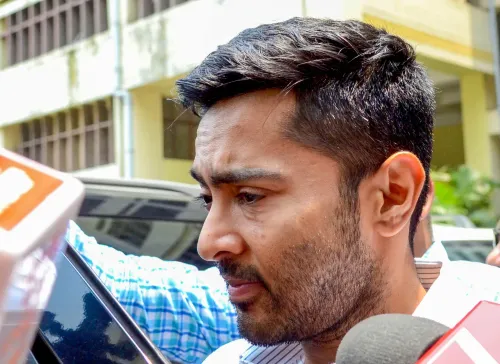
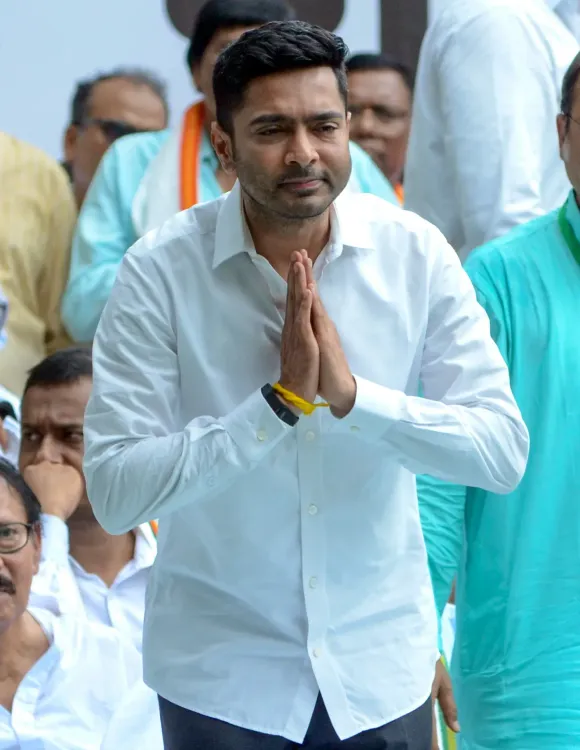
A single-judge bench of the Calcutta High Court on Wednesday, 5 August denied Trinamool Congress (TMC) general secretary and Diamond Harbour Lok Sabha member Abhishek Banerjee permission to travel abroad for ophthalmic treatment, dismissing his petition outright after he refused to comply with the court's earlier directive to first consult specialists at a state-run hospital in Kolkata.
What the Court Decided
Justice Sougata Bhattacharya, presiding over the matter, had previously on 20 July advised Banerjee to seek an opinion from experts at S.S.K.M. Medical College and Hospital, a state-run facility in Kolkata, before the court would consider granting travel permission. When Banerjee's counsel informed the bench that her client would not comply with this direction, Justice Bhattacharya not only refused the travel permission but also dismissed the entire case filed by the Diamond Harbour MP.
The Supreme Court Referral
Following the 20 July hearing, Banerjee had moved the Supreme Court seeking the same permission to travel abroad for eye treatment, bypassing the Calcutta High Court's directive. A three-judge division bench comprising Chief Justice of India Surya Kant, Justice Joymalya Bagchi, and Justice Venkita Subramani Mohan last week declined to grant the relief directly and instead referred the matter back to the Calcutta High Court, directing it to decide within seven days. Accordingly, Justice Bhattacharya scheduled the hearing for 11 am on Wednesday, and the ruling was delivered the same morning.
Arguments on Both Sides
Banerjee's counsel, advocate Rebecca Mammen John, argued before the court that her client had a genuine medical need for overseas treatment and pointed out that he had previously been permitted to travel abroad in connection with an Enforcement Directorate (ED)-registered case against him. However, West Bengal's Additional Advocate General Rajdeep Majumdar countered this argument, clarifying that Banerjee was not an accused in the ED case at the time that earlier permission was granted. Majumdar maintained that the situation had materially changed — Banerjee is now an accused in multiple ongoing cases — and that permitting foreign travel at this stage could adversely affect those investigations.
Why This Matters
The ruling adds a significant legal setback for Banerjee, who faces several active cases. The court's refusal, grounded in his non-compliance with a relatively straightforward procedural direction — a consultation at a government hospital — signals judicial impatience with what the bench appeared to view as an attempt to circumvent the process. This comes amid heightened scrutiny of TMC leaders in connection with ED and other agency probes. The dismissal of the petition, rather than a mere denial of travel permission, closes this particular legal avenue entirely, leaving Banerjee with limited immediate options.
What Happens Next
With the Calcutta High Court petition dismissed and the Supreme Court having already referred the matter back, Banerjee's legal team will need to chart a fresh course if he wishes to pursue foreign medical treatment through judicial channels. Whether the TMC leadership will contest the dismissal in a higher forum remains to be seen.
Point of View
Not just a preference. The state's argument — that Banerjee's legal status has materially changed since he was last permitted to travel — is legally significant and, if it holds, sets a precedent for how courts treat accused individuals seeking foreign medical relief in multi-agency probe cases. The TMC's broader legal exposure means this ruling will be watched well beyond the specifics of one MP's eye treatment.
NationPress
20 Sept 2026
Frequently Asked Questions
Why did the Calcutta High Court deny Abhishek Banerjee permission to travel abroad?
The Calcutta High Court denied permission because Banerjee's counsel stated he would not comply with the court's earlier directive to first consult specialists at S.S.K.M. Medical College and Hospital in Kolkata. Justice Sougata Bhattacharya not only refused the travel permission but dismissed the entire petition on 5 August.
What role did the Supreme Court play in this case?
After the Calcutta High Court's initial directive on 20 July, Banerjee approached the Supreme Court seeking travel permission directly. A three-judge bench led by Chief Justice of India Surya Kant referred the matter back to the Calcutta High Court, directing it to decide within seven days.
What was the state government's objection to Banerjee travelling abroad?
West Bengal's Additional Advocate General Rajdeep Majumdar argued that Banerjee is now an accused in multiple ongoing cases, unlike when he was previously permitted to travel abroad in an ED matter. The state contended that allowing foreign travel could adversely affect ongoing investigations.
What happens to Abhishek Banerjee's case now that the petition is dismissed?
With the Calcutta High Court petition dismissed and the Supreme Court having already referred the matter back, Banerjee's legal team would need to file a fresh legal challenge if he wishes to pursue overseas medical treatment through the courts. No immediate next step has been publicly announced.
Who is Abhishek Banerjee?
Abhishek Banerjee is the general secretary of the All India Trinamool Congress (TMC) and the sitting Lok Sabha member from the Diamond Harbour constituency in West Bengal. He is also the nephew of West Bengal Chief Minister Mamata Banerjee and faces multiple agency probes.