Bank strike called off: UFBU defers 3-day shutdown after IBA talks
Synopsis
Millions of banking customers were spared a three-day disruption after the UFBU called off its nationwide strike — scheduled from 28 to 30 September — following a Sunday breakthrough with the IBA. The deal hinges on a new joint committee to examine the Saturday holiday demand and fresh PLI talks for senior officers, but with March 2024 grievances still unresolved, the truce is fragile.
Key Takeaways
UFBU deferred its three-day nationwide bank strike (28–30 September) on 27 September 2026 after last-minute talks with the IBA .
A joint IBA-UFBU committee will be set up immediately to study making all Saturdays bank holidays .
PLI scheme negotiations for Scale IV and above officers will commence with the IBA, which will raise concerns with the government.
Unresolved issues from 8 March 2024 meeting minutes are also scheduled for early resolution.
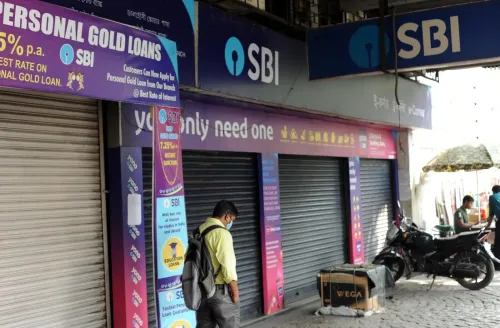
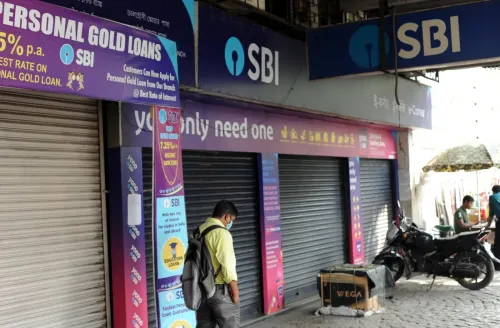
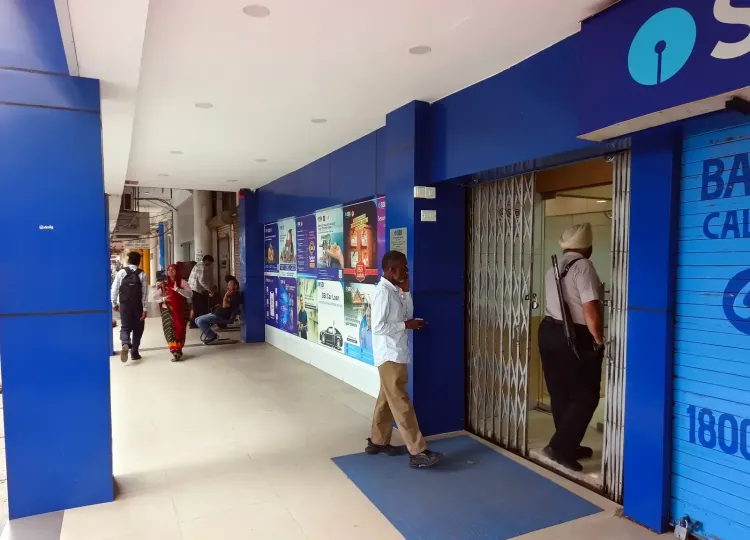
SBI, BoB, PNB and other public sector banks and RRBs opened on Sunday as a precautionary measure, following a Finance Ministry directive decided on 21 September .
Banking services are expected to function normally from 28 September onwards.
The United Forum of Bank Unions (UFBU) on Sunday, 27 September 2026, called off its planned three-day nationwide bank strike — scheduled from 28 to 30 September — following a last-minute breakthrough in negotiations with the Indian Banks' Association (IBA). The deferral brings immediate relief to millions of banking customers across India who faced the prospect of disrupted services through the end of the month.
What Was Agreed at the Talks
According to a statement released by the UFBU, representatives from both the IBA and the union met on Sunday and arrived at a set of key agreements. A joint committee of the IBA and UFBU will be constituted immediately to examine the demand for making all Saturdays bank holidays. The committee is mandated to study all available options, consult stakeholders — with particular attention to customers — and work toward a broadly acceptable resolution.
Separately, negotiations are set to commence on revising the Performance-Linked Incentive (PLI) scheme for Scale IV and above officers, with the IBA agreeing to take up the concerns of this cadre with the government. Other unresolved issues, documented in the minutes from 8 March 2024, will also be taken up for early resolution. In light of these commitments, the UFBU announced it would suspend its planned protests and strike action for the time being.
Sunday Banking: A Precautionary Move Before the Strike
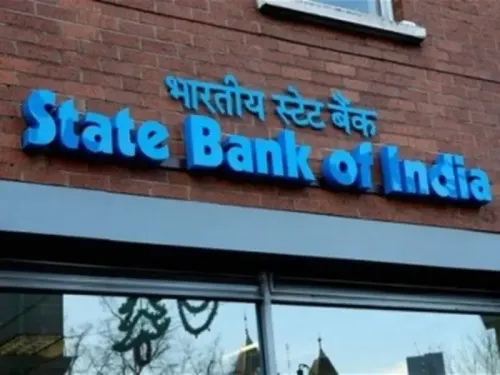
In anticipation of the then-proposed strike, State Bank of India (SBI), Bank of Baroda (BoB), Punjab National Bank (PNB), and several other public sector banks had opened on Sunday, giving account holders an opportunity to complete urgent transactions. The special Sunday working day applied to public sector banks (PSBs) and regional rural banks (RRBs), following a directive to ensure continuity of banking services ahead of the proposed walkout.
The decision to activate Sunday banking was taken at a meeting held on 21 September between officials from the Finance Ministry, public sector banks, regional rural banks, the IBA, and NABARD.
Background: Why Unions Called the Strike
The UFBU had called the three-day strike over a cluster of long-pending demands, including the Saturday holiday issue and PLI-related grievances for senior officers. Notably, some of these concerns date back to discussions captured in the March 2024 meeting minutes, indicating that the underlying disputes have been festering for over a year. This is not the first time a bank strike has been deferred at the eleventh hour following IBA intervention — a pattern that reflects both the leverage unions hold and the institutional reluctance to allow large-scale service disruptions.
What Happens Next
The deferral is conditional on the agreed commitments being honoured. The joint committee on Saturday holidays is expected to begin work immediately, while the PLI discussions for Scale IV officers are set to follow a structured timeline with the government. Industry observers note that if the pending issues from March 2024 remain unresolved again, the risk of a fresh strike notice remains. Banking services are expected to operate normally from 28 September onwards.
Point of View
And some grievances date to March 2024. The pattern of strikes being called off at the eleventh hour after partial commitments has repeated itself, which raises a legitimate question: are these negotiations producing durable outcomes, or just buying time? If the joint committee on Saturday holidays stalls or the government does not engage meaningfully on PLI for Scale IV officers, a fresh strike notice becomes a near-certainty. Customers, who bear the real cost of these disruptions, deserve a more permanent settlement — not a rolling deferral cycle.
NationPress
28 Sept 2026
Frequently Asked Questions
Why was the nationwide bank strike called off?
The UFBU deferred its three-day nationwide bank strike after a last-minute meeting with the IBA on 27 September 2026 produced key commitments, including the formation of a joint committee on Saturday bank holidays and the initiation of PLI talks for Scale IV and above officers. The strike had been scheduled from 28 to 30 September.
What did the IBA and UFBU agree to in Sunday's talks?
Both sides agreed to set up a joint committee immediately to study the demand for making all Saturdays bank holidays, begin negotiations on revising the PLI scheme for Scale IV and above officers, and take up other pending issues listed in the March 2024 meeting minutes for early resolution.
Will banks function normally from 28 September onwards?
Yes. With the strike deferred, public sector banks and regional rural banks are expected to operate normally from 28 September. Several banks, including SBI, BoB, and PNB, had already opened on Sunday 27 September as a precautionary measure to allow customers to complete urgent transactions before the proposed strike.
What is the Saturday bank holiday demand about?
Bank unions have been demanding that all Saturdays be declared bank holidays, extending the existing partial holiday arrangement. The newly formed joint committee of IBA and UFBU will study all available options and consult stakeholders, including customers, before proposing a solution.
What is the PLI scheme issue for Scale IV officers?
The Performance-Linked Incentive (PLI) scheme for Scale IV and above bank officers has been a source of grievance, with unions seeking revisions to its structure. As part of Sunday's agreement, the IBA will begin talks with UFBU and take up the officers' concerns with the government.