BDA Announces 4 Key Decisions for Bengaluru Citizens
Synopsis
The Chief Minister's Office of Karnataka announced four BDA decisions on 9 November 2026: regularisation of eligible pre-2008 houses, incentive plots for Kempegowda Layout landowners, fringe-site allotments, and special sale-deed registration camps for lapsed-lease plot-holders.
Key Takeaways
The Bangalore Development Authority (BDA) has taken four decisions aimed at citizen welfare and faster urban development, announced on 9 November 2026 .
Eligible houses constructed before 10 July 2008 can now be regularised within a stipulated application window.
Landowners who voluntarily gave land for Nadaprabhu Kempegowda Layout and accepted cash compensation will receive incentive site allotments.
Marginal fringe plots adjacent to existing BDA sites will now be formally allotted, reducing grey-market transactions.
A special registration mela (camp) will be held for BDA plot-holders with expired lease terms to register clean sale deeds.
Eligible beneficiaries must apply within designated deadlines; detailed BDA circulars with exact timelines are expected to follow.
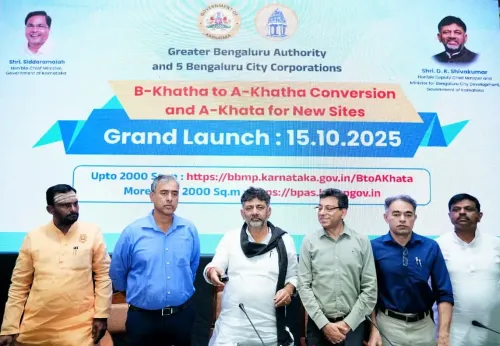
Four targeted measures from the Bangalore Development Authority (BDA) are set to untangle years of urban backlog in India's tech capital — covering house regularisation, incentive plots, fringe-site allotments, and a special camp for sale-deed registrations. The Chief Minister's Office of Karnataka announced the decisions on Monday, 9 November 2026, framing them as steps to 'accelerate Bengaluru's development and provide convenience to the public.'
Regularisation window for pre-2008 constructions
The first and perhaps most consequential decision opens a regularisation window for eligible houses built before 10 July 2008. This cutoff mirrors the logic of Karnataka's long-debated Akrama-Sakrama regularisation framework, which sought to reduce litigation around unauthorised constructions by giving owners a defined compliance pathway. Thousands of Bengaluru homeowners who built on BDA-acquired or layout-adjacent land before that date have lived under legal uncertainty for nearly two decades. The new window gives them a chance to bring their properties into formal compliance — provided they apply within the stipulated period.
Incentive plots for Nadaprabhu Kempegowda Layout landowners
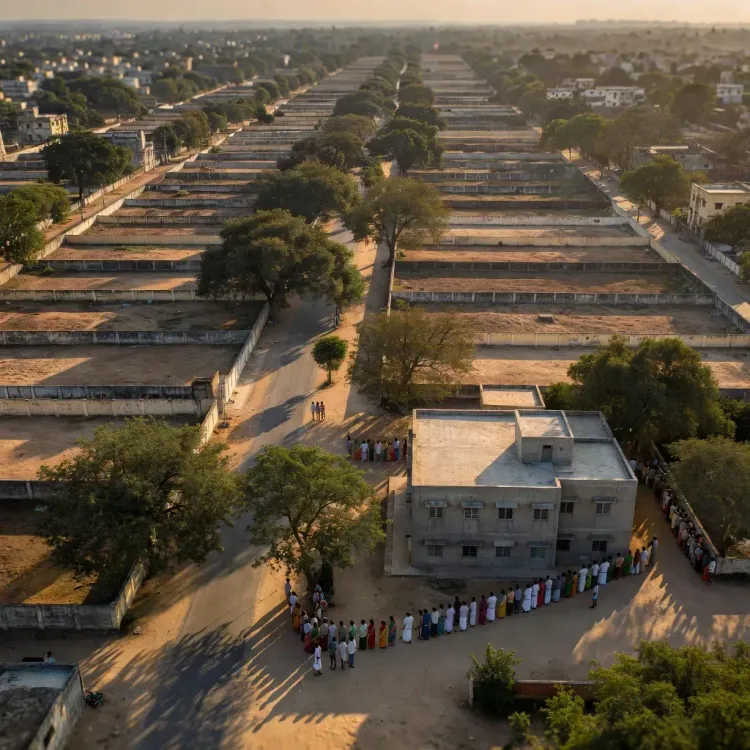
The second measure addresses a long-standing grievance in the Nadaprabhu Kempegowda Layout — Bengaluru's largest BDA residential project, named after the city's 16th-century founder. Landowners who voluntarily surrendered their land for the layout and accepted cash compensation will now be eligible for an incentive site allotment. This move acknowledges that cash-only compensation often left original landowners without a stake in the very neighbourhoods their land built, and it reflects a broader Karnataka government pattern of revisiting acquisition terms to prevent protracted disputes.
Fringe-site allotment and sale-deed registration camps
The third measure unlocks allotment of marginal fringe plots — slivers of land adjoining existing BDA sites that have historically remained in administrative limbo, neither formally allotted nor auctioned. Making these sites available directly benefits adjacent allottees and reduces the grey-market transactions that such parcels often attract.
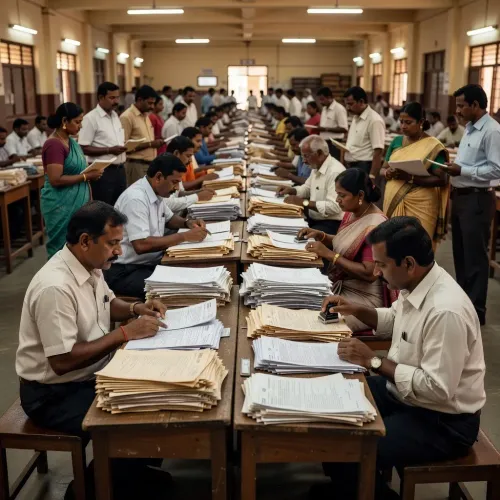
The fourth step is a special registration camp (mela) for BDA plot-holders whose lease terms have expired and who need clean sale-deed registration — a bottleneck that has stalled property transactions for scores of families. The camp format, which Karnataka authorities have used before to clear backlogs efficiently, brings officials and applicants together in one place, cutting the usual multi-office paperwork trail.
What eligible citizens need to do
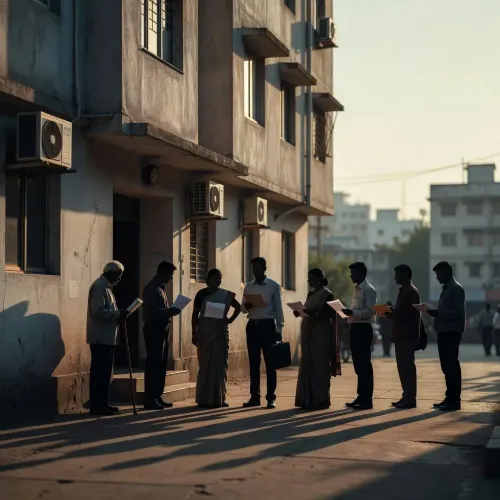
The CMO's post is explicit: 'Arha phalanubhavigalu nigadita avadhiyolage arji sallisabahudhu' — eligible beneficiaries must apply within the designated period. Detailed BDA circulars specifying application windows, eligibility norms, and camp schedules are expected to follow the announcement. Citizens are advised to track official BDA and state government notifications for exact deadlines before filing.
Taken together, these four decisions represent a deliberate effort to clear a decade-and-a-half of accumulated urban governance backlog in one coordinated announcement — a signal that Bengaluru's development machinery is being pushed to move at a faster clip.
Point of View
Suggesting the state is leaning on proven instruments rather than designing new ones — practical, if incremental. The incentive-plot offer for Kempegowda Layout landowners is the most politically sensitive element, as it revisits already-settled compensation, and its implementation details will determine whether it genuinely resolves grievances or merely defers them. Overall, the package signals that the Siddaramaiah government views BDA reform as a deliverable ahead of civic elections, making execution speed the real test.
NationPress
9 Nov 2026
Frequently Asked Questions
Which houses are eligible for BDA regularisation under the new decision?
Houses constructed before 10 July 2008 that meet BDA eligibility criteria are covered under the regularisation window. Exact norms will be specified in forthcoming BDA circulars.
What is the Nadaprabhu Kempegowda Layout and why are incentive plots being offered?
Nadaprabhu Kempegowda Layout is Bengaluru's largest BDA residential project. Landowners who voluntarily surrendered land and accepted only cash compensation are now being offered incentive site allotments to address long-standing grievances about being excluded from the developed layout.
What is a BDA fringe-site (aMche jaga) allotment?
Fringe sites are marginal parcels of land adjoining existing BDA residential plots that have remained unallotted. The new decision makes these sites formally available for allotment to eligible applicants.
What is the BDA sale-deed registration camp (mela) and who can attend?
The special registration camp is for BDA plot-holders whose original lease periods have expired and who need to register a clean sale deed. The camp format allows citizens to complete documentation in one place, cutting multi-office delays.
How do I apply for the BDA benefits announced in November 2026?
The CMO's announcement states that eligible beneficiaries must apply within designated deadlines. Watch official BDA and Karnataka government portals for detailed circulars specifying application windows, eligibility norms, and camp schedules.