Bengal CID probes Gaighata encounter of rape-murder accused Prahlad Das
Synopsis
West Bengal's CID has stepped in to independently investigate the encounter death of rape-murder accused Prahlad Das in Gaighata — a case that began with a teenager's brutal killing at a local jalsa and ended with the accused dying in police retaliatory fire during a midnight crime reconstruction, raising pointed questions about custodial procedures.
Key Takeaways
The West Bengal CID has launched a formal probe into the Gaighata encounter death of accused Prahlad Das on 12 November 2026 .
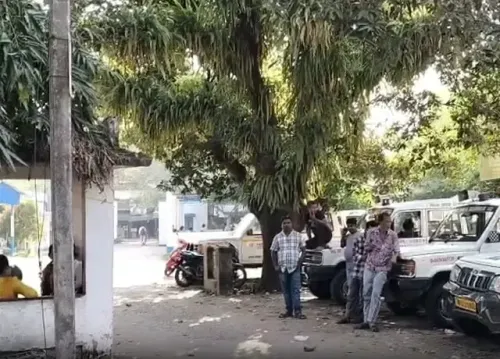
A DSP -led CID team inspected the crime scene on Thursday to determine where the shooting occurred and how the accused allegedly fled.
The case stems from the rape and murder of a 17-year-old girl whose body was recovered in Gaighata on 25 October .
Das was shot dead by police on 27 October during a midnight crime-scene reconstruction, after allegedly snatching a service revolver and firing three rounds .
Police fired four rounds in self-defence ; a bullet mark was found on the police vehicle, though it was not confirmed whether the injured officer was shot.
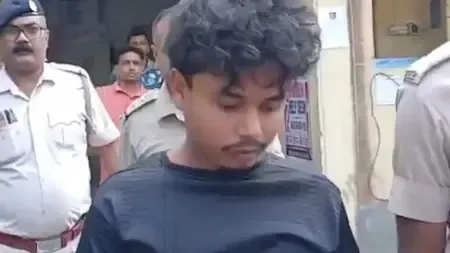
The West Bengal Police's Criminal Investigation Department (CID) has launched a formal probe into the encounter killing of Prahlad Das, accused of the rape and murder of a 17-year-old girl in Gaighata, North 24 Parganas district, a government official confirmed on Thursday, 12 November 2026. The CID's move signals heightened institutional scrutiny over the circumstances surrounding Das's death in police custody during a late-night crime scene reconstruction.
CID Team Visits Crime Scene
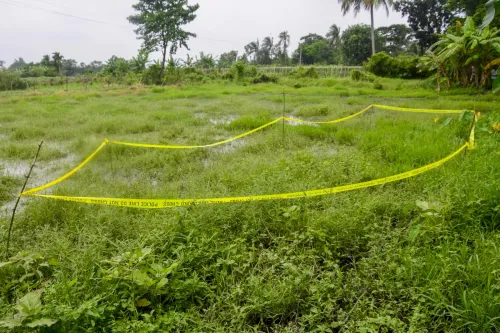
A CID delegation led by a Deputy Superintendent of Police (DSP)-rank officer conducted an inspection of the encounter site in Gaighata earlier on Thursday. According to official sources, investigators are focused on establishing the precise location of the shooting and reconstructing how the accused allegedly attempted to flee. The inspection is part of a broader inquiry into the sequence of events on the night of 27 October.
Background: The Crime That Triggered the Chain of Events
On 25 October, the body of a 17-year-old girl was recovered in Gaighata. According to her family, the girl had attended a local jalsa near her home on the night of 24 October, accompanied by friends and relatives. At around 11:30 pm, she reportedly received a phone call and left the event, after which she went missing. Her body — described by police sources as bearing signs of physical assault including nail scratches and scuff marks — was found the following morning. Her family alleged she had been raped and killed.
Police arrested Prahlad Das, described as a distant relative of the victim, on the same day the body was recovered. Investigators reportedly suspected that Das had made unwanted advances, and when the girl resisted, allegedly struck her on the head with a heavy object, rendering her unconscious, before fleeing the scene.
What Happened During the Encounter
Police sources claim that during a midnight crime-scene reconstruction on 27 October, Das allegedly turned on the escorting officers. According to police accounts, he overpowered a constable, snatched the officer's service revolver, and fled. He allegedly fired three rounds, injuring a policeman — though police acknowledged uncertainty over whether the injury was caused by gunfire. A bullet mark was found on the police vehicle used to transport the accused, lending partial corroboration to this account. Officers responding to the attack reportedly fired four rounds in self-defence. Das died from retaliatory fire.
Notably, police-encounter deaths during crime reconstructions are rare and closely scrutinised, particularly in West Bengal's politically charged environment. Critics and civil liberties observers have consistently called for independent probes in such cases, regardless of the nature of the alleged crime.
Why the CID Probe Matters
The CID — West Bengal's premier criminal investigation agency — operates independently of district police, lending its inquiry a degree of institutional separation from the officers involved in the encounter. The probe will likely examine forensic evidence, the chain of custody of the accused, body-camera footage (if any), medical records of the injured policeman, and the ballistic evidence from both the vehicle and the encounter site. This comes amid broader national debates over due process in encounter cases, with courts consistently reiterating that every custodial death must be independently investigated. The outcome of the CID inquiry could have implications for the officers involved and for how the state's police leadership handles similar high-profile custodial incidents going forward.
Point of View
But the speed and transparency of its findings will determine whether it functions as accountability or as institutional cover. Encounter deaths during crime reconstructions — a scenario that is inherently difficult to verify — demand rigorous forensic scrutiny, including independent ballistics and a credible explanation for why the accused had access to a service weapon. West Bengal's political climate adds further pressure: the state has seen repeated allegations of police excess, and a whitewash here — or conversely, a premature rush to judgement — would each damage public trust in different ways. The CID must follow evidence, not political convenience.
NationPress
12 Nov 2026
Frequently Asked Questions
What is the Gaighata encounter case in West Bengal?
The Gaighata encounter refers to the death of Prahlad Das , accused of raping and murdering a 17-year-old girl in Gaighata, North 24 Parganas. Das was shot dead by police on 27 October during a late-night crime scene reconstruction, after allegedly snatching an officer's revolver and opening fire.
Why has the CID been asked to investigate the Gaighata encounter?
The West Bengal CID has taken up the case to independently determine the exact circumstances of the shooting — specifically, where it occurred and how the accused allegedly attempted to escape. CID probes into encounter deaths are standard practice to ensure institutional accountability separate from the district police involved.
What happened to the 17-year-old victim in Gaighata?
The girl attended a local jalsa near her home on the night of 24 October , received a phone call at around 11:30 pm , and went missing. Her body was recovered the following morning. Her family alleged she was raped and murdered, and police noted signs of physical assault on the body.
How did Prahlad Das die during the crime reconstruction?
According to police sources, Das allegedly overpowered a constable during the midnight reconstruction on 27 October , snatched his service revolver, and fled while firing three rounds . Police responded with four rounds in self-defence , and Das died from retaliatory fire. A bullet mark was found on the police vehicle.
What will the CID investigation focus on?
Investigators are examining the precise location of the shooting, the sequence in which the accused allegedly seized the weapon, and whether the account given by the police is corroborated by forensic and physical evidence. The injured officer's condition and ballistic evidence from the police vehicle are also part of the inquiry.