Bengal CM Adhikari defends Raiganj encounter, warns criminals of same fate
Synopsis
West Bengal has logged its fourth police encounter killing since July — all following a strikingly similar pattern — and Chief Minister Adhikari is not just defending them but actively warning future offenders. With three of the four tied to minor rape-murder cases, the encounters reflect both public fury and uncomfortable questions about due process in a state already under judicial scrutiny.
Key Takeaways
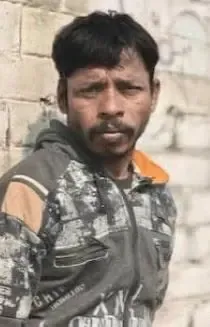
West Bengal CM Suvendu Adhikari on 9 November 2026 defended the police killing of rape-murder accused Dilip Roy in Raiganj, North Dinajpur .
Dilip Roy was accused of raping and murdering a 12-year-old girl ; police say he had two prior sexual offence allegations settled through informal arbitration.
Adhikari declared law enforcement has been given a 'free hand' against rapists, drug smugglers, and infiltrators, warning criminals of a similar fate.
The Raiganj killing is the fourth police encounter in West Bengal since July 2026 ; three of the four involve rape and murder of minors.
Earlier encounter victims include Prabhas Mondal (Baruipur, July), Prahlad Das (Gaighata, October), and Samiul Sheikh (Samserganj, October).
Civil liberties advocates and critics have raised due-process concerns, but the state government has defended each incident as lawful.
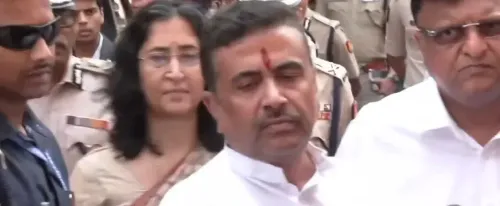
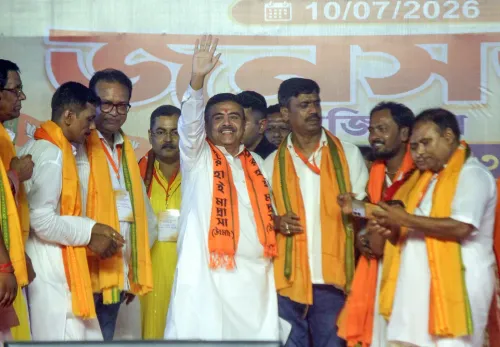
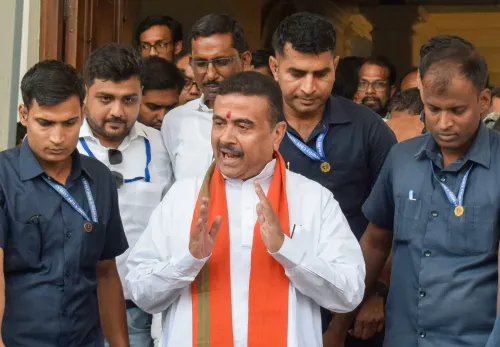
West Bengal Chief Minister Suvendu Adhikari on Monday, 9 November 2026, publicly defended a police encounter in Raiganj, North Dinajpur district, in which Dilip Roy — accused of raping and killing a 12-year-old girl — was shot dead by police. Adhikari declared that law enforcement has been given a 'free hand' to deal with perpetrators of heinous crimes against women, and warned that criminals involved in similar offences would meet the same fate.
What Triggered the Encounter
Dilip Roy was accused of raping and murdering a 12-year-old girl on the intervening night of Sunday and Monday in Raiganj. According to North Dinajpur District Police, Roy had a prior history of sexual offences — he had faced allegations of sexual harassment in the Kamtabari-2 Gram Panchayat area approximately three years ago, and similar allegations in the Sialmani area two years ago. 'On both these occasions, the matter was settled at a local Kangaroo Court, and the complaint did not reach the police level,' a district police officer said.
What the Chief Minister Said
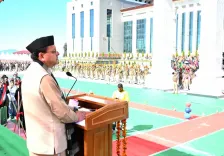
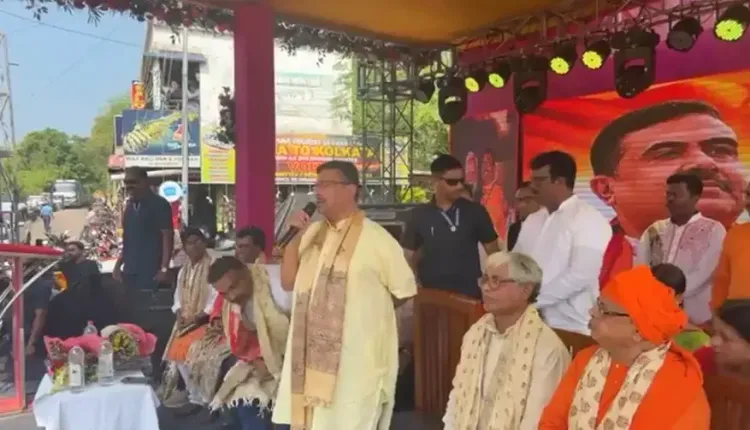
Adhikari made the remarks on Monday afternoon at the sidelines of a programme in Digha, East Midnapore — his native district. 'The cops are provided with firearms not just to keep them as a showpiece or to keep them in their pockets. Drug mafias, rapists, and infiltrators have no place in this state,' the Chief Minister said. He also took an indirect swipe at those raising objections to such encounters, calling critics 'Dimagi Naxals', 'Jamaatis' and 'Communists', and describing them as 'cockroaches and bedbugs.' He reiterated a 'zero-tolerance approach' in cases involving rapists, murderers, drug smugglers, and infiltrators.
The Fourth Encounter Since July
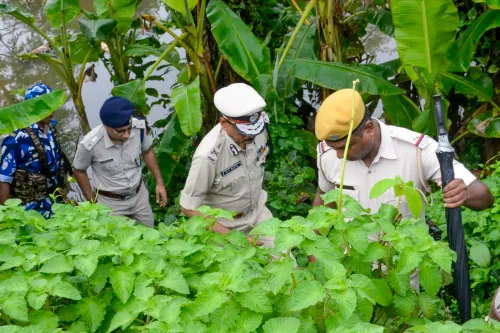
The Raiganj killing marks the fourth police encounter in West Bengal since July 2026, with three of the four linked to rape and murder cases involving minors. In July, Prabhas Mondal — accused of raping and murdering a six-year-old girl in Baruipur, South 24 Parganas — was shot dead after police claimed he snatched an officer's firearm at the crime scene and opened fire. In October, Prahlad Das, accused in the rape and murder of a 17-year-old girl in Gaighata, South 24 Parganas, was killed in a similar encounter, again when police alleged he attempted to flee during a crime-scene reconstruction. On the same day, Samiul Sheikh, arrested for the murder of a BJP worker in Samserganj, Murshidabad, was also killed in an encounter.
Accountability Questions and Context
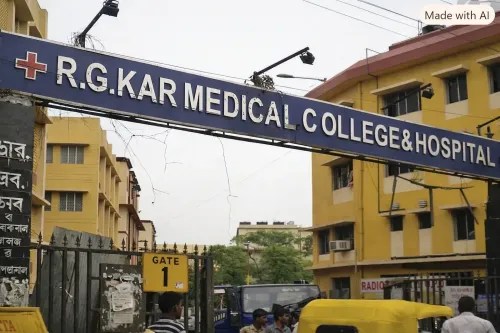
The pattern of four encounters in roughly four months — all involving crime-scene reconstructions or alleged snatching of police weapons — has drawn scrutiny from civil liberties advocates and opposition voices, though the state government has consistently defended each incident as lawful. Notably, in all three rape-and-murder cases, prior complaints against the accused had reportedly been resolved through informal local arbitration rather than through the formal justice system, raising questions about institutional failures that preceded the encounters. This comes amid heightened public anger in West Bengal over crimes against women following the high-profile RG Kar Medical College case earlier this year.
What Happens Next
Human rights groups are likely to seek judicial scrutiny of the encounters, particularly given the consistency of the police narratives across all four incidents. The West Bengal government, for its part, has signalled that its posture will not change. How the courts and the National Human Rights Commission respond to any petitions filed will determine whether this approach faces formal oversight.
Point of View
Each with near-identical police narratives — crime-scene reconstruction, accused grabs weapon, police fire in self-defence — strain credibility without independent forensic verification. Chief Minister Adhikari's rhetoric is politically resonant at a moment of raw public anger over crimes against women, but it sidesteps a structural failure the encounters themselves expose: all three rape-murder accused had prior complaints that were buried in informal kangaroo courts rather than prosecuted. The encounters are, in part, a consequence of a broken local justice system that the state has not addressed. Judicial scrutiny — not just political endorsement — is the accountability test that matters here.
NationPress
9 Nov 2026
Frequently Asked Questions
Who was Dilip Roy and why was he killed in a police encounter?
Dilip Roy was accused of raping and murdering a 12-year-old girl in Raiganj, North Dinajpur district, West Bengal, on the intervening night of Sunday and Monday, 9 November 2026. He was killed in a police encounter shortly after the crime; the West Bengal government has defended the action as lawful.
What did West Bengal CM Suvendu Adhikari say about the encounter?
Chief Minister Adhikari publicly defended the encounter, stating that police have been given a 'free hand' to deal with those involved in heinous crimes against women. He warned that criminals committing such offences would face a similar fate, and criticised those raising objections to encounters as 'Dimagi Naxals', 'Jamaatis', and 'Communists'.
How many police encounters have occurred in West Bengal since July 2026?
There have been four police encounters in West Bengal since July 2026. Three of the four are linked to rape and murder cases involving minors — in Baruipur (July), Gaighata (October), and Raiganj (November). The fourth, also in October, involved a murder accused in Samserganj, Murshidabad.
Did Dilip Roy have a prior criminal record?
According to North Dinajpur District Police, Roy faced sexual offence allegations twice before — in the Kamtabari-2 Gram Panchayat area roughly three years ago, and in the Sialmani area about two years ago. On both occasions, the complaints were reportedly settled through informal local arbitration and never formally registered with police.
Are the encounters facing any legal or rights-based scrutiny?
Civil liberties advocates and opposition voices have raised due-process concerns, particularly given the consistency of police narratives across all four encounters. No formal judicial order had been issued at the time of reporting, but human rights groups are expected to seek court oversight of the incidents.