Bengal cracks down on illegal app-cabs, gives aggregators 7-day deadline
Synopsis
West Bengal has given app-cab aggregators just seven days to purge illegally registered private vehicles from their platforms — exposing a loophole that left passengers without legal cover and drained state revenue. The move puts the compliance burden firmly on platforms like Ola and Uber, signalling a tougher era of gig-transport regulation in the state.
Key Takeaways
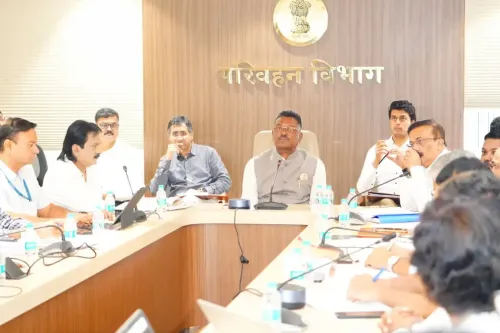
The West Bengal transport department has launched a crackdown on private vehicles operating illegally as app-based cabs without commercial registration.
All aggregator agencies must delist non-compliant vehicles within seven days of the notification.
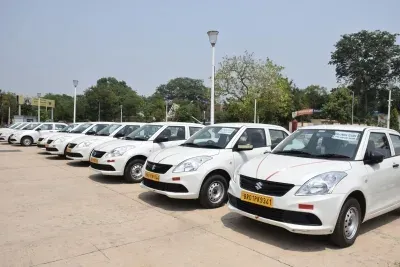
Only vehicles with valid commercial licences and yellow-coloured number plates are permitted on app-cab platforms.
Aggregators must establish a central office in West Bengal and submit its address to the transport department within seven days .
Violations risk legal action under the Motor Vehicles Act ; the department cited passenger safety risks and state revenue losses as key concerns.
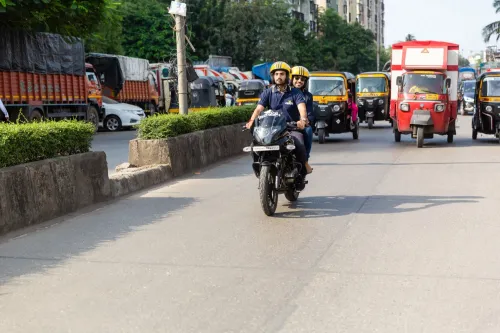
The West Bengal transport department has launched a sweeping crackdown on private vehicles — both four-wheelers and two-wheelers — operating illegally as app-based cabs without mandatory commercial registration and licences. Aggregator agencies have been given a strict seven-day deadline to identify and delist all non-compliant vehicles from their platforms.
What the New Directive Mandates
A formal notification issued by the West Bengal transport department makes it clear that only vehicles holding valid commercial licences and displaying yellow-coloured commercial number plates are permitted to operate through app-cab platforms. The directive applies to all aggregator agencies currently active in the state.
Additionally, the notification makes it compulsory for every app-cab aggregator agency to maintain a central office in West Bengal. This office must serve as the official point of contact for the state transport department and traffic police, and must also handle customer grievances. Agencies have been directed to submit the complete address of this office in writing to the department within seven days.
What Officials Said
'These new guidelines have already been sent to all the aggregator agencies. They have been directed to submit the complete address of their office in writing to the state transport department within seven days. The guidelines also make it clear that the agencies concerned are responsible for ensuring that their services comply with the Motor Vehicles Act and government regulations. Failure to follow the instructions could invite legal action,' a senior transport department official said.
The official further noted that private vehicle owners had been exploiting a registration loophole — simply downloading an aggregator app, entering their vehicle number, and accepting bookings without obtaining the required commercial permits. 'This is completely illegal. Only vehicles with valid commercial licences and yellow-coloured commercial number plates are eligible to be registered with app-cab aggregator agencies,' the official added.
Why It Matters: Passenger Risk and Revenue Losses
The department has flagged two significant consequences of allowing private vehicles to function as commercial cabs. First, passengers who encounter problems mid-ride may have no legal recourse, as aggregator agencies can — and reportedly do — disclaim liability for incidents involving vehicles that are not commercially registered. Second, the practice results in substantial revenue losses for the state government, since such vehicles bypass the commercial registration and regulatory fee requirements entirely.
The department's investigation found that the problem is particularly acute among two-wheelers, a large number of which had enrolled with multiple aggregator platforms without any commercial permits.
Tighter Monitoring Ahead
Going forward, the transport department has signalled its intent to tighten oversight of all app-based transport services in the state, placing the compliance burden squarely on aggregator agencies. Non-compliant agencies risk legal action under the Motor Vehicles Act and applicable government regulations. This crackdown is part of a broader national pattern of state governments moving to regulate the rapidly expanding gig-economy transport sector, where the pace of platform growth has repeatedly outrun regulatory frameworks.
Point of View
Because growth metrics trumped compliance. The mandatory local-office requirement is the sharper provision: it creates a physical accountability anchor that aggregators cannot hide behind a Delhi or Bengaluru headquarters to avoid. The real test will be enforcement — past state-level crackdowns on ride-hailing have often produced notifications without sustained follow-through. If the department does not audit platform databases after the deadline, the order risks becoming another paper tiger.
NationPress
11 Nov 2026
Frequently Asked Questions
What is the West Bengal transport department cracking down on?
The West Bengal transport department is cracking down on private vehicles — both four-wheelers and two-wheelers — that have registered with app-cab aggregator platforms without holding valid commercial licences or displaying yellow-coloured commercial number plates. Such vehicles are operating illegally under existing Motor Vehicles Act provisions.
What are aggregator agencies required to do under the new directive?
Aggregator agencies must identify and remove all non-compliant vehicles from their platforms within seven days. They must also establish a central office in West Bengal and submit its address in writing to the state transport department within the same period.
Why is operating a private vehicle as an app-cab illegal?
Under the Motor Vehicles Act, only vehicles holding valid commercial licences and displaying yellow-coloured commercial number plates are authorised to carry passengers for hire. Private vehicles lack this registration and therefore operate outside the law when they accept app-cab bookings.
How does this affect passengers?
Passengers using non-commercially registered vehicles have limited legal recourse if an incident occurs during a ride, as aggregator agencies can disclaim liability for vehicles not covered under commercial registration. The crackdown aims to ensure all rides on the platform are covered by proper regulatory protections.
What happens if aggregators fail to comply?
According to the transport department notification, non-compliant agencies face legal action under the Motor Vehicles Act and applicable government regulations. The department has signalled intent to tighten ongoing monitoring of all app-based transport services in the state.