Bengal food prices: Suvendu Adhikari seeks joint action
Synopsis
Rising sugar and mustard oil prices prompted Suvendu Adhikari to call for joint market visits and direct purchases from farmers and producers in West Bengal. The source report’s identification of Adhikari as Chief Minister requires independent verification.
Key Takeaways
Suvendu Adhikari discussed rising essential food prices at a meeting at Nabanna on 24 November .
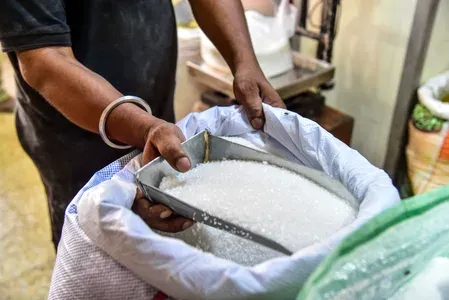
Sugar and mustard oil were identified as particular retail price concerns in West Bengal .
Adhikari directed the police Enforcement Branch and agriculture officials to conduct regular joint market visits.
A state government insider said the agriculture marketing department was directed to purchase products directly from farmers and producers.
Officials were instructed to meet merchants’ organisations every Monday to review market conditions.
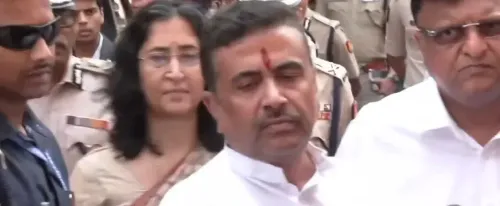
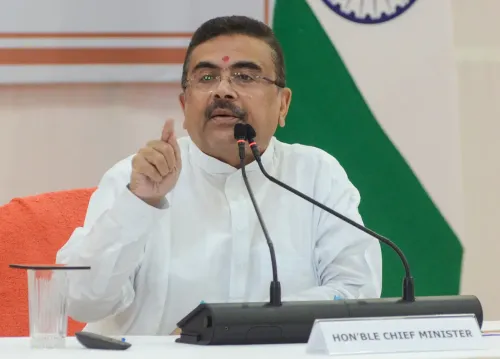
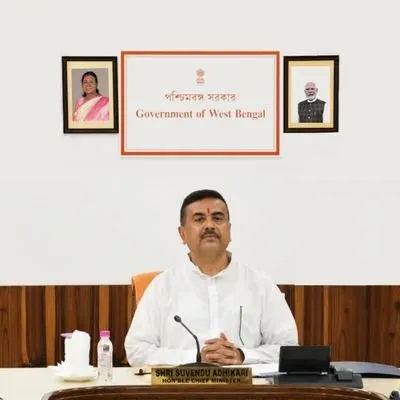
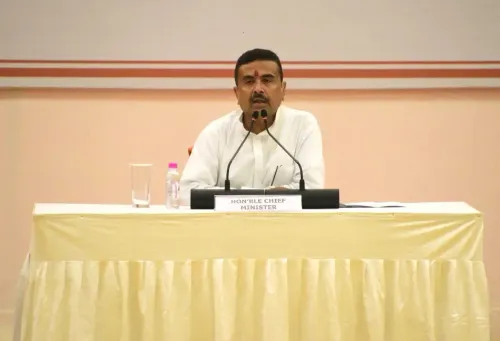
West Bengal food prices, particularly those of sugar and mustard oil, were the focus of a meeting at the state secretariat Nabanna on Tuesday, 24 November, where Suvendu Adhikari called for greater coordination among government departments. The source report identified Adhikari as the Chief Minister, a designation that requires independent verification.
The meeting brought together state government departments and merchants’ associations to discuss rising prices of essential food items in retail markets across West Bengal.
Joint market visits ordered
According to the report, Adhikari expressed concern about the failure of the police Enforcement Branch (EB) to control retail prices. He directed EB and state agriculture department officials to visit markets jointly and regularly to prevent black marketing.
The proposed visits would bring police enforcement and agriculture officials together at the retail end of the supply chain. The report did not specify a schedule for the visits or identify particular markets where they would begin.
Direct purchases from farmers and producers
A state government insider present at the meeting said Adhikari also directed the state agriculture marketing department to buy products directly from farmers and producers. The stated aim was to prevent intermediaries from artificially increasing retail prices.
The official said direct purchases could provide fair prices to farmers and producers while helping control unreasonable increases in wholesale and retail markets. The report did not provide details of purchase prices, quantities or how the proposed arrangement would operate.
The distinction matters because the proposed response addresses both ends of the chain: procurement from farmers and producers, and monitoring of goods sold to consumers. Sugar and mustard oil were singled out as particular concerns, although no current prices or figures for their increases were provided.
Weekly reviews with merchants
Adhikari also instructed officials to hold meetings with merchants’ organisations every Monday to review market conditions, according to the state government official. He sought the associations’ active cooperation in controlling the retail prices of essential food products.
He said traders had a duty to cooperate on prices as the state government worked to create a fair trading environment. The report did not record a response from the merchants’ associations.
Implementation details remain unclear
The directives described in the report combine market inspections, direct procurement and regular consultations with traders. They concern households buying essential food items, as well as farmers, producers, wholesalers and retailers involved in supplying them.
The report did not state when direct purchases or joint inspections would begin, or set out how the impact on prices would be measured. The next step will be the implementation of the announced directions and the proposed weekly market reviews.
Point of View
But neither can be assessed without transparent information on prices and implementation. Regular public reporting of purchase prices, retail prices and enforcement outcomes would allow consumers and producers to judge whether the approach is working. The reported designation of Suvendu Adhikari also needs verification before the account can be treated as settled.
NationPress
24 Nov 2026
Frequently Asked Questions
What action was sought over West Bengal food prices?
Suvendu Adhikari called for joint market visits by police enforcement and agriculture officials, according to the report. He also directed direct purchases from farmers and producers to address the role of intermediaries.
Which food items were highlighted at the meeting?
Sugar and mustard oil were highlighted as particular concerns at the meeting. The report did not provide their retail prices or quantify the increases.
Why were direct purchases from farmers proposed?
Direct purchases were proposed to prevent intermediaries from artificially raising prices. A state government insider said the approach was intended to support fair prices for producers and curb unreasonable wholesale and retail increases.
When will merchants’ organisations meet officials?
Officials were instructed to meet merchants’ organisations every Monday to review market conditions. The report did not say when the first review would take place.
Where was the West Bengal food price meeting held?
The meeting was held at the state secretariat Nabanna in Howrah. State government departments and merchants’ associations attended, according to the report.