Bengal adopts Maharashtra model to screen fake transgender claimants, Bangladeshis
Synopsis
West Bengal is borrowing Maharashtra's playbook to screen transgender community members before enrolling them in state employment roles — aiming to filter out both fake claimants and illegal Bangladeshi nationals. With a police-station-level process and a dedicated committee already in place, the move signals a sharp policy shift from the previous Trinamool Congress administration, and surfaces tensions at the intersection of identity, immigration, and welfare entitlement.
Key Takeaways
West Bengal will adopt the Maharashtra model to screen third-gender and transgender claimants before granting access to new government employment roles.
The state had planned to recruit community members as property tax recovery agents and traffic control assistants .
Screening will target biological males allegedly posing as transgender and Bangladeshi nationals said to be residing illegally in the state.
A committee headed by Moumita Godara Basu , Secretary of the Women and Child Development Department, has been constituted to oversee the process.
Transgender rights activist Dr Ranjita Sinha reportedly provided the government with data on infiltration, particularly in Bangladesh-bordering districts .
The screening will be conducted at the police station level with support from established transgender community associations.
West Bengal is set to introduce a structured screening process — modelled on a similar exercise conducted in Maharashtra — to identify individuals falsely claiming third-gender or transgender identity and Bangladeshi nationals allegedly residing in the state illegally, the state government confirmed on 21 November 2026. The move is aimed at ensuring that newly announced employment opportunities for the transgender community reach only genuine Indian citizens.
What the Scheme Covers
The state government had recently announced plans to recruit members of the third-gender and transgender community — including biological transgender persons and those who have undergone sex reassignment surgery (SRS) — as property tax recovery agents for urban civic bodies and as traffic control assistants in the police department. These roles are part of a broader effort to bring the community into the economic mainstream.
Before engagement, however, the government intends to conduct a screening exercise targeting alleged impostors: biological males reportedly claiming third-gender identity without basis, and Bangladeshi nationals said to be living illegally in the state. Only verified Indian citizens from the transgender community will be considered for these positions, according to state government sources.
The Maharashtra Template
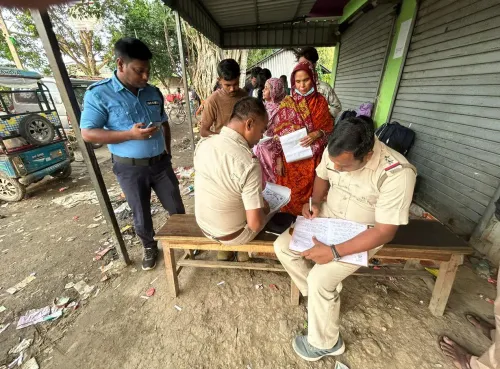
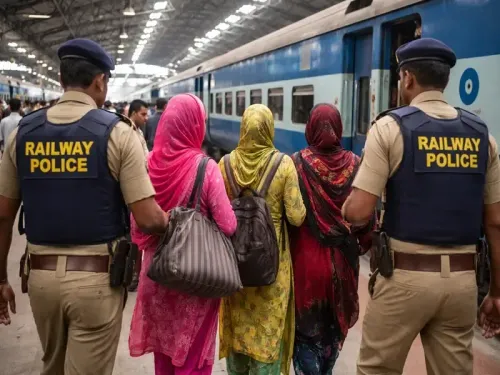
According to a state government officer, Maharashtra had recently begun deploying transgender community members in various government assignments after completing a credential-verification exercise. 'The Maharashtra model of screening will be adopted here as well,' the officer said. The screening will be conducted at the police station level, with established associations of third-gender and transgender persons assisting police in the process.
A dedicated screening committee has been constituted for this purpose, headed by Moumita Godara Basu, Secretary to the state Women and Child Development and Social Welfare Department.
Community Voices and Infiltration Concerns
Dr Ranjita Sinha, a prominent figure in West Bengal's transgender rights movement, reportedly provided the state government with specific data on how Bangladeshi infiltrators allegedly posing as transgender individuals have spread across several districts — particularly those bordering Bangladesh — and are said to be involved in widespread extortion of local residents.
Sinha also criticised the earlier administration. 'The previous Mamata Banerjee-led Trinamool Congress government had done nothing for the overall welfare and development of the third-gender community people in the state. Instead, the previous regime encouraged illegal infiltration of Bangladeshi transgenders to strengthen their vote banks. Now the new government is taking some positive steps to bring the people from the community to the mainstream. So, what we want is that only genuine transgender persons of Indian origin should get the benefit of the exercise,' she said.
Activist Perspective
Content creator and transgender rights activist Debika Barua echoed these sentiments, arguing that since the exercise is funded by taxpayers, it is appropriate for the government to ensure only genuine Indian-origin individuals benefit. 'There is no point in enabling outsiders to enjoy the benefits of such exercises,' Barua said.
This comes amid broader national debates around immigration, identity verification, and the rights of marginalised communities. The screening framework — once finalised — will be closely watched as a potential template for other states looking to extend welfare and employment schemes to the transgender community while guarding against misuse.
Point of View
And the government has not yet presented independent verification of the infiltration figures cited by Dr Sinha. The real test will be whether the police-station-level process is impartial and transparent, or whether it creates new vulnerability for genuine community members who lack documentation. Without external oversight, a well-intentioned filter could become an instrument of exclusion.
NationPress
21 Nov 2026
Frequently Asked Questions
Why is West Bengal introducing a screening process for transgender claimants?
West Bengal is introducing the screening exercise to ensure that new government employment roles — as property tax recovery agents and traffic control assistants — go only to genuine Indian citizens from the transgender community. The state government says it wants to filter out individuals falsely claiming transgender identity and Bangladeshi nationals allegedly residing in the state illegally.
What is the Maharashtra model that West Bengal plans to adopt?
The Maharashtra model refers to a credential-verification exercise conducted by the Maharashtra government before engaging transgender community members in government assignments. West Bengal intends to replicate this process at the police station level, with community associations assisting the police.
Who is heading the screening committee in West Bengal?
The screening committee is headed by Moumita Godara Basu , Secretary to the West Bengal Women and Child Development and Social Welfare Department. Established third-gender and transgender associations will also assist police during the verification process.
What employment roles are being offered to the transgender community in West Bengal?
The state government announced plans to recruit third-gender and transgender persons — including biological transgender individuals and those who have undergone sex reassignment surgery — as property tax recovery agents for urban civic bodies and as traffic control assistants in the police department.
What has the transgender community said about the screening move?
Prominent rights activist Dr Ranjita Sinha supported the exercise, saying only genuine Indian-origin transgender persons should benefit from government schemes. Activist and content creator Debika Barua similarly argued that taxpayer-funded programmes should not benefit those without legitimate claim, adding that enabling outsiders to access such benefits serves no constructive purpose.