West Bengal holding centres offer food, medical care to Bangladeshi infiltrators before BSF handover
Synopsis
West Bengal's BJP government isn't just cracking down on illegal Bangladeshi infiltrators — it's doing so with fish on the menu, milk for children, and CCTV-monitored rooms. CM Suvendu Adhikari's decision to bypass courts and hand infiltrators directly to the BSF marks a sharp policy break, and the state's insistence on humane transit conditions adds an unusual dimension to an otherwise hardline immigration move.
Key Takeaways
West Bengal has set up holding centres to temporarily house illegal Bangladeshi infiltrators before handing them to the BSF for repatriation.
CM Suvendu Adhikari directed police not to produce infiltrators in court — they are to be fed and transferred directly to BSF border outposts.
Facilities include fish, meat, eggs, rice , baby food, milk four times daily for children, new clothes, and medical first aid.
The first north Bengal centre opened on Monday at Chandan Park, Bagbari, Malda ; a second is operational at the Hakimpur border .
As of the latest count, the Malda centre holds nine individuals — three women, six children, and a boy.
Women from Self-Help Groups are employed for cooking, with food served four times a day .
The West Bengal administration has set up holding centres across the state to provide temporary accommodation to illegal Bangladeshi infiltrators before they are handed over to the Border Security Force (BSF) at the nearest border outposts, from where they will be repatriated. Officials say the facilities have been designed to ensure humane treatment during the transit period, with provisions for nutritious food, medical care, and basic amenities.
What the Holding Centres Offer
Each holding centre is equipped with ceiling fans, halogen lighting, and CCTV surveillance. The daily menu reportedly includes fish, meat, eggs, rice, and local wheat bread. Children receive milk four times a day along with baby food. Infiltrators are also provided new clothes, perfumed soap, and shampoo. Women from Self-Help Groups (SHGs) have been engaged for cooking, and food is served four times a day, according to Malda Superintendent of Police Anupam Singh.
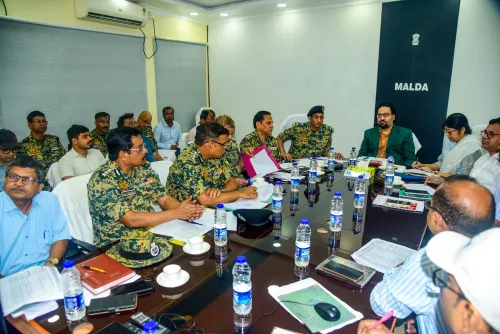
'All arrangements have been made for accommodation and for food for those staying in the holding centres. The district police administration and civil administration have made arrangements for good food,' Singh told reporters on Wednesday.
Policy Behind the Decision
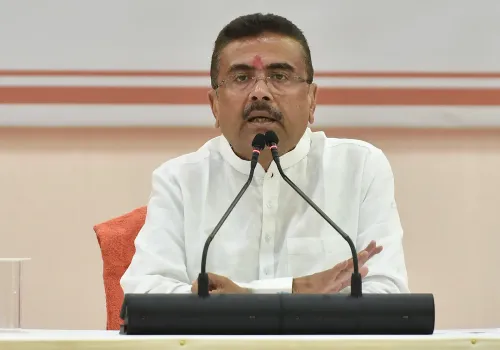
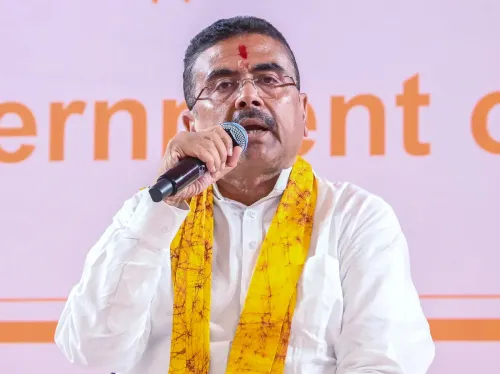
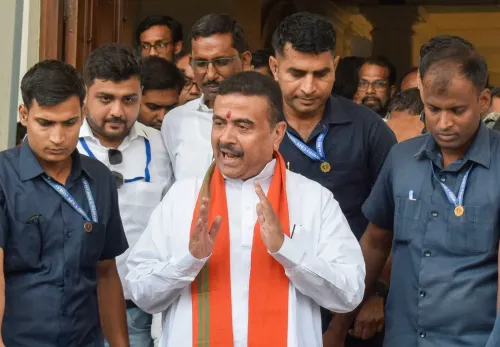
West Bengal Chief Minister Suvendu Adhikari — the state's ninth Chief Minister — announced last week that illegal Bangladeshi infiltrators would no longer be produced before courts or sent to prison. Instead, they would be held temporarily and then transferred directly to BSF units at the nearest border outposts.
'I have instructed the police not to produce these illegal Bangladeshi infiltrators in court. Instead, they will be fed properly and then handed over to the BSF units deployed at the nearest BOPs,' CM Adhikari said.
A senior official at the state secretariat Nabanna said the administration wants to convey that there will be no adverse treatment of infiltrators prior to their deportation, even as the state takes a firm stance on illegal immigration.
First Centres Operational in North Bengal
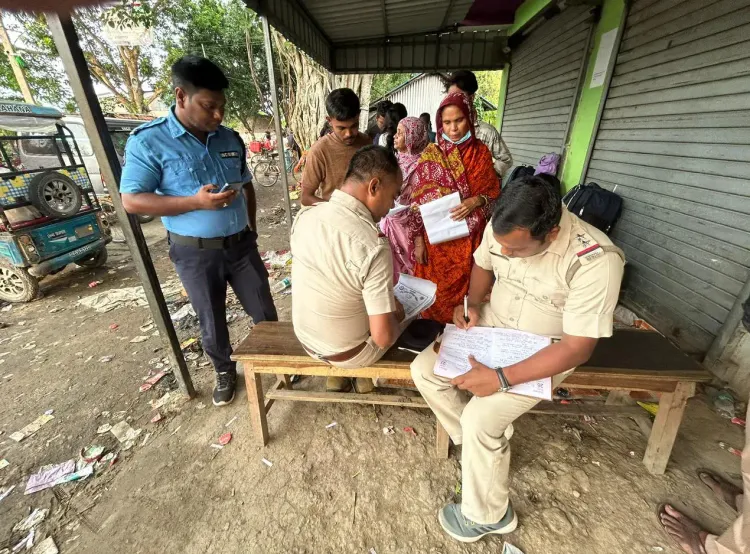
The first holding centre in north Bengal was inaugurated on Monday at Chandan Park in Bagbari, adjacent to English Bazaar town in Malda district. It is housed in a building belonging to an SHG marketing centre. The facility is staffed by three police officers, a dozen police personnel, and several civic volunteers, with civil defence personnel also present on the premises.
As of the latest reports, the Malda centre houses nine individuals — including three women, six children, and a boy. A separate temporary holding centre has also been set up at the Hakimpur border, which has seen a significant influx of infiltrators since Tuesday night.
Background and Scale of Infiltration
Many of those now being held had reportedly crossed into India years ago through gaps in the border barbed wire and had been working across south Bengal, including in Kolkata. The state Bharatiya Janata Party (BJP) government's tough new stance on infiltration has, according to officials, prompted a large number of Bangladeshi nationals to begin returning voluntarily.
This is the first time the West Bengal government has institutionalised a dedicated transit infrastructure for illegal immigrants, marking a significant policy departure from the previous practice of routing detainees through the judicial system. How the BSF and Bangladesh authorities manage the receiving end of these handovers will determine the long-term viability of the arrangement.
Point of View
The absence of any judicial oversight raises due-process questions — particularly for individuals who may contest their nationality or claim asylum. The BJP's framing of this as a 'fair farewell' also risks obscuring the coercive nature of deportation. How Bangladesh receives these handovers — and whether the BSF has the bilateral framework to execute them at scale — remains the unaddressed operational question at the centre of this policy.
NationPress
11 Oct 2026
Frequently Asked Questions
What are the holding centres set up by the West Bengal government?
These are temporary transit facilities established by the West Bengal administration to house illegal Bangladeshi infiltrators before they are handed over to the Border Security Force (BSF) at nearby border outposts for repatriation. The centres provide food, accommodation, and basic medical care during the transit period.
Why did CM Suvendu Adhikari order that infiltrators not be produced in court?
Chief Minister Suvendu Adhikari announced that instead of routing illegal Bangladeshi infiltrators through the judicial system — which involves court appearances and imprisonment — they would be held briefly, fed, and transferred directly to BSF units at the nearest border outposts. The stated aim is faster repatriation and a message of humane, non-punitive treatment.
Where are the holding centres located?
The first north Bengal holding centre opened on Monday at Chandan Park in Bagbari, Malda district, housed in an SHG marketing centre building. A separate centre is also operational at the Hakimpur border, which has seen a large influx of infiltrators since Tuesday night.
What facilities are available at the holding centres?
The centres offer ceiling fans, CCTV cameras, halogen lighting, and food four times a day including fish, meat, eggs, and rice. Children receive milk four times daily and baby food. Infiltrators are also given new clothes, soap, and shampoo. Women from Self-Help Groups cook the meals, and first aid is available on site.
How many people are currently being held at the Malda centre?
As of the latest reports, nine individuals are housed at the Malda holding centre — three women, six children, and a boy. The Superintendent of Police confirmed that no new infiltrators had been brought to the centre at the time of the update.