Bengal orders district-level holding centres for illegal infiltrators, Rohingyas
Synopsis
West Bengal's BJP government has ordered district-level 'holding centres' to detain suspected Bangladeshi and Rohingya infiltrators for up to 30 days — a direct implementation of the Union Home Ministry's May 2025 guidelines. It marks a sharp break from the previous TMC administration's approach and sets up a state-wide detect-delete-deport machinery backed by biometric blacklisting and BSF handover protocols.
Key Takeaways
West Bengal has ordered 'holding centres' in every district to detain suspected illegal immigrants for up to 30 days .
The directive covers suspected Bangladeshis and Rohingyas — whether newly arrested, previously jailed, or mid-deportation.
Instructions were sent from Nabanna to the DGP Siddh Nath Gupta , all District Magistrates, SPs, and police Commissionerates.
The Union Home Ministry issued an eight-page guideline on 2 May 2025 detailing the holding-centre framework and biometric blacklisting.
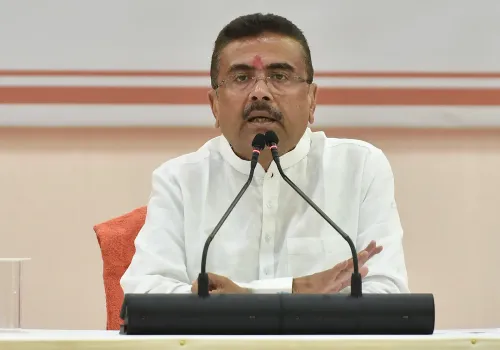
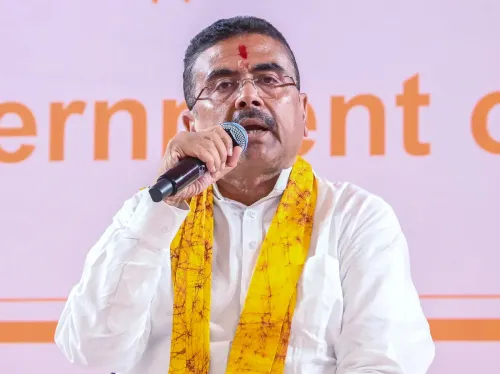
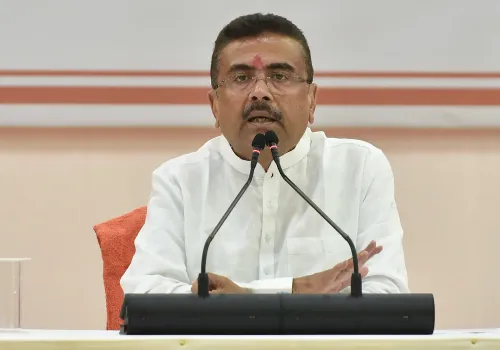
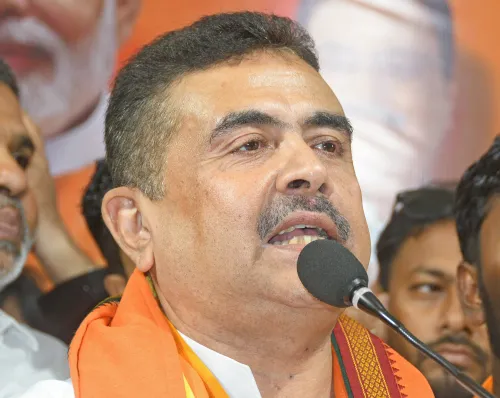
Chief Minister Suvendu Adhikari said those not covered under the CAA will be arrested and handed to the BSF for deportation.
West Bengal has formally adopted a 'detect, delete and deport' policy, with district-level Special Task Forces (STFs) to be constituted.
The West Bengal government has directed the creation of 'holding centres' in every district of the state to detain individuals suspected of being illegal immigrants — primarily Bangladeshis and Rohingyas — a senior state government official confirmed on Sunday, 25 May 2025. The move follows both a directive from Chief Minister Suvendu Adhikari and an eight-page guideline issued by the Union Home Ministry's Foreigners Division on 2 May 2025.
What the Directive Says
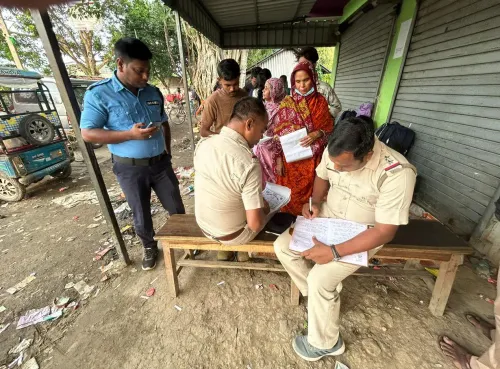
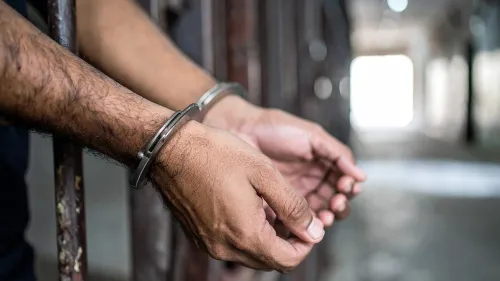
According to the state government's order, suspects can be held at these centres for up to 30 days, during which their documents will be verified to establish whether they are Indian citizens. The directive covers not only those freshly arrested on suspicion of being infiltrators, but also those previously imprisoned and those already in the deportation pipeline.
The instruction has been dispatched from Nabanna — the state secretariat — to West Bengal Director General of Police Siddh Nath Gupta, all District Magistrates, all Superintendents of Police, and every police Commissionerate, including Kolkata. The final call on each case will rest with the concerned District Magistrate or District Collector-level officer.
The Centre's Role and Guidelines
The Union Home Ministry's 2 May 2025 guideline had already laid out the framework for holding centres. Under those guidelines, if a law enforcement officer suspects a person is not an Indian citizen, the individual can be arrested and detained at a holding centre for 30 days pending document verification.
The Centre has also asked every state to constitute a Special Task Force (STF) at the district level to identify and deport illegal immigrants. Once confirmed as infiltrators, detainees will have their biometric data collected and uploaded to a central portal before being handed over to the Border Guard. They will subsequently be blacklisted in India.
In emergency situations, the guidelines permit the Border Guard or Coast Guard to directly collect illegal immigrants from a holding centre and escort them across the border without further delay.
Political Context: BJP Government's Stance
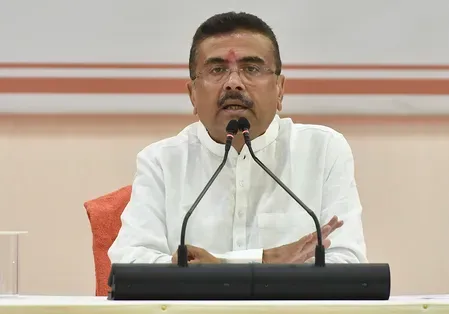
Chief Minister Suvendu Adhikari had recently addressed a press conference at Nabanna, asserting that the previous Trinamool Congress (TMC) government had not complied with the Centre's instructions on infiltrators. He stated that since the Bharatiya Janata Party (BJP) came to power in the state, the relevant law is being enforced.
Adhikari specified that individuals not covered under the Citizenship Amendment Act (CAA) would be identified, arrested, and handed directly to the Border Security Force (BSF), which would then process their return to their respective countries. The state government's holding-centre directive came in the immediate aftermath of this announcement.
The 'Detect, Delete, Deport' Policy
West Bengal has formally adopted a 'detect, delete and deport' policy for illegal immigrants, aligning the state's approach with the Centre's broader national framework. The holding centres are a structural component of this policy — providing a legally defined detention window before deportation proceedings are concluded.
Notably, this represents a significant policy shift for a state that had, under its previous administration, been criticised by the Centre for non-compliance on infiltrator identification. With district-level STFs, biometric blacklisting, and now physical holding infrastructure being put in place, the operational machinery for mass deportation is being assembled across West Bengal's districts.
How quickly the centres become functional — and how the 30-day verification window holds up under legal scrutiny — will determine the policy's real-world impact in the weeks ahead.
Point of View
Loudly, that it will do what the TMC reportedly would not. But the operational challenge is formidable: 30-day detention windows require functioning centres, trained personnel, and a legal framework that can withstand habeas corpus challenges. Biometric blacklisting sounds robust on paper, yet India's deportation record with stateless populations like the Rohingya is complicated by the absence of bilateral readmission agreements. The real test is not the issuance of the circular but whether the district machinery — chronically under-resourced — can execute it without wrongful detention of Indian citizens, particularly in border districts where documentation gaps are common.
NationPress
8 Oct 2026
Frequently Asked Questions
What are the 'holding centres' ordered by the West Bengal government?
These are district-level detention facilities ordered by the West Bengal government to hold individuals suspected of being illegal immigrants — primarily Bangladeshis and Rohingyas — for up to 30 days while their documents are verified. The concept was first outlined in an eight-page Union Home Ministry guideline issued on 2 May 2025.
How long can a suspect be held at a West Bengal holding centre?
Suspects can be detained for up to 30 days. During this period, authorities will verify documents to determine whether the individual is an Indian citizen. The final decision rests with the concerned District Magistrate or District Collector-level officer.
What happens after the 30-day detention period?
If confirmed as an illegal immigrant, the detainee's biometric data is collected and uploaded to a central government portal. They are then handed over to the Border Guard or BSF and blacklisted in India. In emergency situations, the Border Guard or Coast Guard can directly escort them out of the country.
What is the CAA's role in this process?
Chief Minister Suvendu Adhikari stated that individuals not covered under the Citizenship Amendment Act (CAA) will be identified, arrested, and handed directly to the BSF for deportation. The CAA provides a pathway to citizenship for certain non-Muslim minorities from neighbouring countries, and those outside its ambit face deportation proceedings.
How does this differ from the previous West Bengal government's approach?
Chief Minister Adhikari has stated that the previous Trinamool Congress (TMC) government did not comply with the Centre's instructions on identifying and deporting infiltrators. The current BJP administration has framed the holding-centre directive as a correction of that non-compliance, formally adopting a 'detect, delete and deport' policy.