Adhir Ranjan Chowdhury questions BJP's decade-long inaction on Bangladeshi infiltrators
Synopsis
Congress leader Adhir Ranjan Chowdhury has turned the BJP's crackdown on Bangladeshi infiltrators in West Bengal into a political boomerang — asking why three consecutive terms in power at the Centre produced no verifiable deportation data. With holding centres now operational and the Hakimpur border under fresh pressure, his demand for a White Paper puts the accountability spotlight squarely on the ruling party.
Key Takeaways
Adhir Ranjan Chowdhury questioned why the BJP -led Centre took no decisive action against Bangladeshi infiltrators during its three terms in power, despite relevant laws like the NRC being in place.
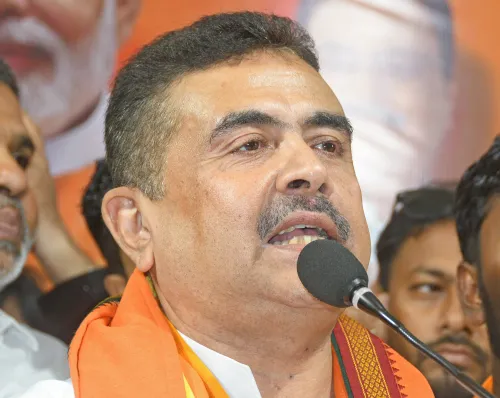
The Suvendu Adhikari -led West Bengal government has set up 'holding centres' to temporarily house detained infiltrators before handing them to the BSF for repatriation.
A significant influx of infiltrators was reported at the Hakimpur border since Tuesday night .
Chowdhury demanded a White Paper disclosing how many infiltrators are in India, their religious breakdown, and how many have been legally deported versus informally pushed back.
No official data has been made public on the number of infiltrators caught or returned to Bangladesh , according to Chowdhury.
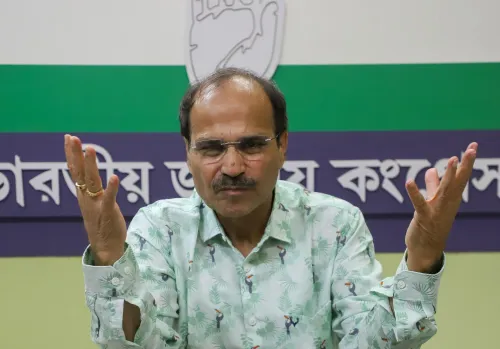
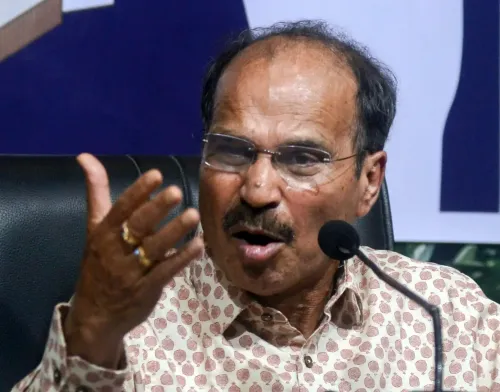
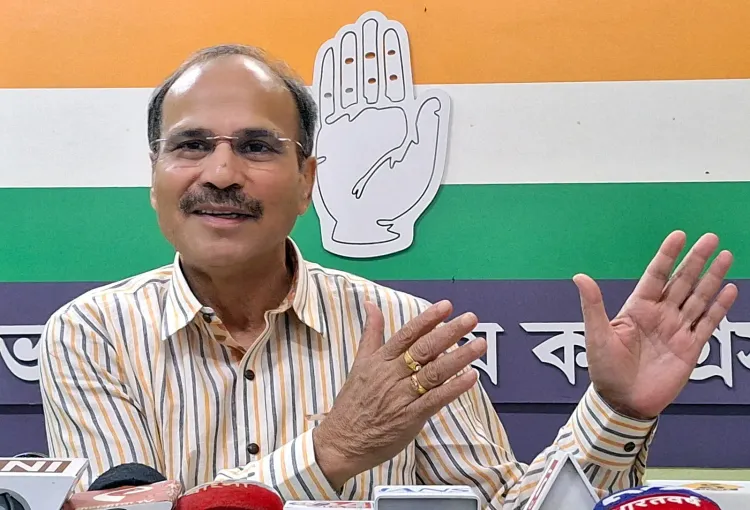
Congress leader Adhir Ranjan Chowdhury on Friday, 29 May sharply questioned why the Bharatiya Janata Party (BJP)-led Centre had failed to act against Bangladeshi illegal infiltrators in West Bengal across its three consecutive terms in power, even as the ruling party now moves aggressively on the issue. The remarks came from Murshidabad amid a fresh wave of infiltration activity at the Hakimpur border, which has seen a significant influx since Tuesday night.
The Core Challenge Chowdhury Raised
Addressing reporters, Chowdhury did not dispute the existence of illegal infiltration — he acknowledged it has been occurring for decades. His challenge was directed squarely at the BJP's credibility. “You people are the ones running the country for the third term, and even the Prime Minister of the country belongs to your party. So, who had stopped you for so many days from removing Bangladeshis?” he said, referencing laws such as the National Register of Citizens (NRC) that were legislated but, in his view, inadequately enforced.
Holding Centres and the BSF Pipeline
The immediate backdrop is the Suvendu Adhikari-led state government's establishment of 'holding centres' across West Bengal — temporary facilities for detained illegal infiltrators before they are transferred to Border Security Force (BSF) outposts at the nearest border outposts (BOPs) for repatriation. Similar detention infrastructure has been in operation in Assam for several years. Chowdhury noted that no official data has been made public on how many individuals have been detained or actually returned to Bangladesh.
What Chowdhury Demanded from the Centre
The Congress leader called on the BJP-led Centre to release a White Paper disclosing the full scale of illegal infiltration in India. He pressed for transparency on several specific counts: how many infiltrators are Hindu and how many are Muslim; how many are being informally 'pushed back' versus legally deported through official channels; and how many the Bangladeshi government has formally agreed to accept. “Not a single infiltrator should stay back in India,” he asserted, while insisting that the government must back its actions with verifiable numbers.
The Accountability Gap
This comes amid a broader national debate on border security and the enforcement of citizenship-related legislation. Critics argue that while the BJP has repeatedly made illegal immigration a central electoral theme — particularly in West Bengal and Assam — the operational outcomes in terms of verified deportations remain opaque. Chowdhury's demand for a White Paper reflects a wider opposition push for measurable accountability rather than political signalling. Notably, the lack of a publicly available deportation count has been flagged by civil society groups as well, making independent verification of the government's claims difficult.
What Happens Next
With the Hakimpur border seeing fresh infiltration pressure and holding centres now operational, the Centre faces mounting pressure to publish concrete figures. Whether the government responds to the White Paper demand — or treats it as routine opposition noise — will likely shape how this issue develops in the lead-up to the next round of state-level political contests in West Bengal.
Point of View
He sidesteps the accusation of being soft on border security and instead shifts the debate to governance failure. The BJP's political capital on this issue has always rested on rhetoric rather than published outcomes — no government has released a verified, year-wise deportation count. If the Centre declines to publish a White Paper, it implicitly concedes that the numbers may not support the narrative. If it does publish, it opens itself to scrutiny on the gap between legislative intent and operational delivery. Either way, the accountability framing is more durable than a simple charge of inaction.
NationPress
13 Oct 2026
Frequently Asked Questions
What did Adhir Ranjan Chowdhury say about Bangladeshi infiltrators in West Bengal?
Chowdhury questioned why the BJP-led Centre, despite holding power for three consecutive terms, had not taken decisive action to deport Bangladeshi illegal infiltrators from West Bengal. He acknowledged that infiltration has been occurring for decades but argued that the ruling party had the legal tools and political mandate to act far earlier.
What are the 'holding centres' set up in West Bengal?
The West Bengal government under Chief Minister Suvendu Adhikari has established 'holding centres' — temporary facilities for detained illegal infiltrators. From these centres, individuals are transferred to the nearest BSF border outposts for repatriation to their home countries.
What is the situation at the Hakimpur border?
The Hakimpur border in West Bengal has seen a significant influx of infiltrators since Tuesday night, according to reports, prompting fresh attention to the state's border management infrastructure.
What did Chowdhury demand from the BJP-led Centre?
Chowdhury demanded that the Centre release a White Paper disclosing the total number of illegal infiltrators in India, their religious composition, how many have been legally deported versus informally pushed back, and how many the Bangladeshi government has formally agreed to accept.
Has the government released data on infiltrators caught or deported?
According to Chowdhury, no official data has been made public on how many infiltrators have been caught or returned to Bangladesh. He cited the same data gap in Assam's detention centre operations, calling for transparent, verifiable figures from the Centre.