West Bengal CM Adhikari orders illegal infiltrators sent to BSF BoPs, bypassing courts
Synopsis
West Bengal CM Suvendu Adhikari has ordered police and RPF to send arrested illegal infiltrators straight to BSF border outposts — no court appearance, no judicial process. Combined with fresh BSF fencing work already underway, the move goes further than even the BJP's own 'detect-delete-deport' pledge, and is set to face sharp legal scrutiny.
Key Takeaways
CM Suvendu Adhikari directed state police and RPF to send arrested illegal infiltrators directly to BSF border outposts , bypassing courts, effective Wednesday, 21 May .
Infiltrators will be given food and transferred to Benapole-Petrapole or Basirhat BSF outposts in North 24 Parganas .
The order does not apply to those eligible for citizenship under the Citizenship Amendment Act (CAA) .
The state Director General of Police has been directed to send weekly reports on arrests and deportations to the CM's office.
BSF barbed-wire fencing work along unfenced India-Bangladesh border stretches in West Bengal also began on Wednesday .
Political observers say the directive goes further than the BJP's own 'detect-delete-deport' policy championed by Home Minister Amit Shah .
West Bengal Chief Minister Suvendu Adhikari on Thursday, 22 May directed state police and Railway Protection Force (RPF) authorities to send all arrested illegal infiltrators directly to the nearest Border Security Force (BSF) border outposts, bypassing the court system entirely. The directive, which came into force with immediate effect from Wednesday, marks one of the most assertive state-level actions against illegal immigration seen in recent years.
What the Directive Says
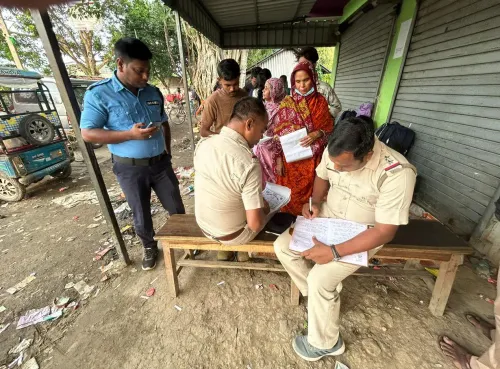
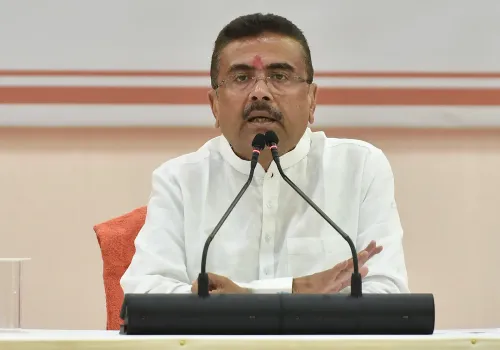
'Henceforth, if any illegal infiltrator is arrested either at Howrah station or anywhere else, they will not be produced before the court. Instead, they will be provided food and sent directly to the BSF BoPs either at the Benapole-Petrapole border outpost in Bangaon subdivision or at the one in Basirhat, both in North 24 Parganas district,' CM Adhikari told mediapersons.
He added that his office would receive weekly reports from the state Director General of Police on the number of illegal infiltrators arrested and dispatched to BSF outposts. This reporting mechanism is designed to ensure accountability and track the pace of deportations.
Who Is Exempt
CM Adhikari clarified that the new protocol would not apply to individuals seeking refuge who qualify for citizenship under the Citizenship Amendment Act (CAA). The distinction is significant — it signals that the directive targets undocumented economic migrants rather than persecuted minorities protected under the CAA framework.
Border Fencing and the Broader Push
The deportation directive is the second prong of a two-part strategy. The process of handing over land to the BSF for erecting barbed fencing along unfenced stretches of the India-Bangladesh border in West Bengal had already begun on Wednesday, addressing the first objective of preventing fresh infiltration. Together, the two moves represent a comprehensive border-management overhaul under the new state government.
Political Context
Political observers note that Adhikari's order goes a step beyond the Bharatiya Janata Party's (BJP) widely publicised 'detect-delete-deport' policy, which Union Home Minister Amit Shah had championed during pre-election campaigns in West Bengal. Combating illegal immigration — particularly from Bangladesh — was one of the BJP's central campaign planks in the recently concluded West Bengal Assembly elections, with the party pledging to remove illegal infiltrators allegedly residing in the state on fake Indian identity documents.
What Comes Next
With the court-bypass protocol now active and BSF fencing work underway, the state government's approach will face scrutiny from legal experts who may question whether bypassing judicial oversight is constitutionally permissible. The weekly reporting mechanism will be closely watched as an indicator of how aggressively the directive is being implemented on the ground.
Frequently Asked Questions
What has West Bengal CM Suvendu Adhikari ordered regarding illegal infiltrators?
CM Adhikari has directed state police and the Railway Protection Force to send all arrested illegal infiltrators directly to the nearest BSF border outposts instead of producing them before courts. The directive came into effect on Wednesday, 21 May, and applies to arrests made anywhere in the state, including at Howrah station.
Which BSF outposts will illegal infiltrators be sent to?
Arrested infiltrators will be transferred to the BSF Border Outpost at Benapole-Petrapole in Bangaon subdivision, or to the outpost in Basirhat — both located in North 24 Parganas district along the India-Bangladesh border.
Does the directive apply to refugees covered under the CAA?
No. CM Adhikari explicitly clarified that the new protocol does not apply to individuals seeking refuge who are eligible for citizenship under the Citizenship Amendment Act (CAA). The order targets undocumented illegal infiltrators, not CAA-protected minorities.
How does this directive relate to the BJP's 'detect-delete-deport' policy?
Political observers say Adhikari's order goes a step further than the BJP's own 'detect-delete-deport' policy that Home Minister Amit Shah had promised during West Bengal election campaigns. The state directive operationalises the deportation leg of that pledge through a specific administrative mechanism, while also adding a border-fencing component.
What oversight mechanism has been put in place?
CM Adhikari has directed the state Director General of Police to submit weekly reports to his office detailing the number of illegal infiltrators arrested and sent to BSF outposts, providing a tracking mechanism for the directive's implementation.