West Bengal to overhaul Madhyamik exam review system for faster results
Synopsis
West Bengal is reshaping how Madhyamik answer sheets are evaluated — shifting workload to newer teachers, enforcing strict accountability for big mark revisions, and targeting faster result publication to advance Class 11 admissions. The BJP government is framing these moves as part of a wider overhaul of the state's school education system, including a proposed 'One Class, One Teacher' model for primary schools.
Key Takeaways
The West Bengal School Education Department is planning major changes to the WBBSE Madhyamik examination review and evaluation process.
Newer teachers will be given greater responsibility for evaluating answer sheets, with special training to be provided.
If a review results in a marks increase of 10 or more , the concerned examiner and chief examiner may be summoned and cautioned.
WBBSE Board President Lalu Das has affirmed the board's commitment to transparent and timely result publication.
School Education Minister Dipak Burman also announced the state is considering a 'One Class, One Teacher' policy for primary schools, with teacher increments linked to student progress.
The reforms are part of the BJP government's broader push to overhaul the West Bengal school education system.
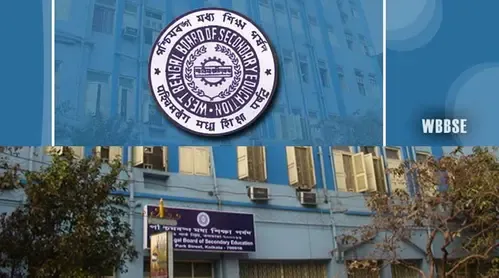
The School Education Department in West Bengal is set to introduce sweeping changes to the evaluation and review process for Madhyamik (secondary) level examinations conducted by the West Bengal Board of Secondary Education (WBBSE), with the primary aim of accelerating result publication and enabling an earlier start to Class 11 admissions and classes.
What Is Changing in the Evaluation System
According to a senior official from the state School Education Department, the proposed reforms will redistribute answer-sheet evaluation responsibilities, shifting greater workload to comparatively newer teachers rather than senior ones. This means individual examiners could be tasked with checking a higher volume of answer sheets than under the current arrangement.
'This is not meant to compromise evaluation quality in any way. It is aimed at completing the evaluation process speedily. Special training will also be given to new teachers who will be entrusted with the evaluation process,' the official said.
The department has clarified that the enhanced workload will be accompanied by structured training programmes to ensure marking quality is maintained across the board.
Stricter Accountability for Examiners
Alongside the reallocation of duties, the department intends to tighten rules governing the review process to prevent negligence. Under the proposed norms, if a re-evaluation of an answer sheet results in a marks increase of 10 or more, the concerned examiner and chief examiner could be summoned to offer explanations and, if warranted, issued a formal caution.
'If, after reviewing the answer sheet of an examinee, the marks increase by 10 or more, the examiner concerned and chief examiner might be called and sought explanations. If necessary, they may also be cautioned,' the official said.
Teachers' union representatives have, however, urged the department to ensure that the new accountability norms do not place undue mental pressure on examiners in the field.
What the WBBSE Board President Said
WBBSE Board President Lalu Das stated that the board is committed to publishing results quickly while maintaining transparency and accuracy, stressing the institution's responsibility towards examinees and their guardians.
Broader Education Reforms Under the BJP Government
This initiative is part of a wider effort by the Bharatiya Janata Party (BJP) government in West Bengal to comprehensively reform the state's school education framework since assuming office. The current changes to the Madhyamik review system reflect an ongoing policy push to modernise public education delivery.
Separately, State School Education Minister Dipak Burman this week disclosed that the department is considering a 'One Class, One Teacher' policy for state-run primary schools from the next academic year. Under this model, a single teacher would be responsible for all subjects in their assigned class, and the annual increments of teachers would reportedly be linked to the academic progress of their students — a shift that critics and unions are likely to scrutinise closely.
What Comes Next
No formal timeline has been announced for the implementation of the Madhyamik evaluation reforms, but officials indicate the changes are being actively deliberated ahead of the next examination cycle. With teacher training, accountability norms, and workload redistribution all under consideration simultaneously, the rollout will require careful coordination between the WBBSE and the state education machinery.
Point of View
Effectively chilling the very review process the reform claims to strengthen. The concurrent 'One Class, One Teacher' proposal, tying teacher increments to student outcomes, risks incentivising grade inflation rather than genuine learning gains. The BJP government's ambition to reset West Bengal's education system is evident; whether the design matches the intent remains to be tested in the next examination cycle.
NationPress
31 Oct 2026
Frequently Asked Questions
What changes is West Bengal planning for Madhyamik examinations?
The West Bengal School Education Department is planning to redistribute answer-sheet evaluation to newer teachers, provide them with special training, and tighten accountability norms for examiners. The primary goal is to speed up result publication so that Class 11 classes can begin earlier than the current schedule allows.
What is the new accountability rule for WBBSE examiners?
Under the proposed rule, if a review of a Madhyamik answer sheet results in a marks increase of 10 or more, the examiner and chief examiner involved may be called to provide an explanation and could be formally cautioned. The measure is intended to reduce negligence in the initial evaluation process.
Why are newer teachers being given more evaluation responsibility?
The department believes assigning more answer sheets to newer teachers, backed by structured training, will help complete the evaluation process faster without compromising quality. Senior teachers' reduced share is a workload redistribution measure, not a reflection of their competence.
What is the 'One Class, One Teacher' policy proposed for West Bengal primary schools?
School Education Minister Dipak Burman has said the department is considering a policy where one teacher handles all subjects for their assigned class in state-run primary schools from the next academic year. Annual increments for these teachers would reportedly be linked to the academic progress of their students.
Is this part of a larger education reform drive in West Bengal?
Yes. The BJP government in West Bengal has been pursuing a comprehensive review of the state school education system since taking office. The Madhyamik evaluation changes and the 'One Class, One Teacher' proposal are both part of this broader reform agenda.