West Bengal new industrial policy 2026: Cabinet clears deregulation push, quick approvals
Synopsis
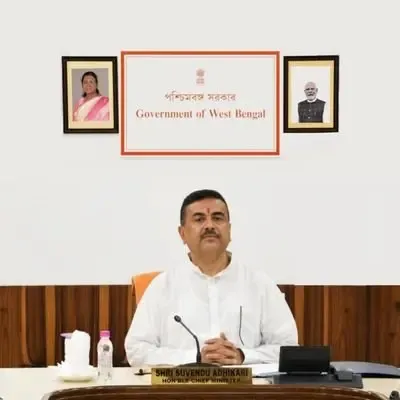
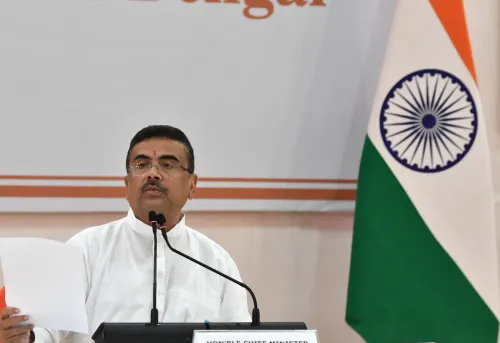
West Bengal's new government has Cabinet-cleared a draft industrial policy that scraps redundant regulations, promises fast approvals, and revives an investor incentive scheme shelved by the previous TMC regime. Chief Minister Suvendu Adhikari, who took office in May 2026, had pledged this overhaul within his first year — and the formal rollout is now days away.
Key Takeaways
West Bengal Cabinet cleared the draft industrial policy on 28 October 2026 .
The policy targets removal of unnecessary regulations and faster project approvals to address longstanding investor complaints.
A previously discontinued investor incentive scheme will be revived in a 'more structured and comprehensive' form.
Proposed incentives include electricity tariff waivers , state-subsidised loan interest, and EPF contribution reimbursement for employers.
Special focus on channelling investment to backward areas to link industrial growth with local socio-economic development.
Formal policy announcement is scheduled for 5 November 2026 after an administrative review at Nabanna.
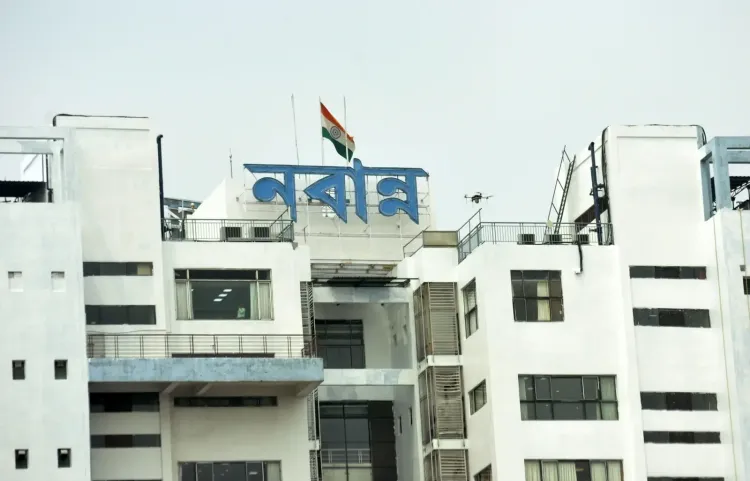
West Bengal's state Cabinet on 28 October 2026 cleared a draft industrial policy that prioritises the removal of unnecessary regulatory hurdles for investors and fast-tracked project approvals, according to state government sources. The policy is set to be formally announced following an administrative review meeting at the state Secretariat 'Nabanna' on 5 November 2026.
Key Pillars of the Draft Policy
The draft is built on two central planks, state officials said. The first is eliminating redundant government regulations that have historically blocked investment proposals. The second is ensuring swift clearances to prevent the bureaucratic delays that industry bodies and potential investors have repeatedly flagged as a barrier to doing business in the state.
'In the past, there had been several complaints from investors and industry bodies about some unnecessary regulations that potential investors had to go through to get clearance for their project. They have also complained about unnecessary delays in getting project clearances because of bureaucratic red-tapism. So, the draft industrial policy had specifically focused on these two aspects,' a state government official said.
Revival of Investor Incentive Scheme
Notably, the policy also proposes reviving an investor incentive framework that was discontinued during the previous Trinamool Congress (TMC) government led by former Chief Minister Mamata Banerjee. Officials say the new version will be 'more structured and comprehensive' and modelled on incentive frameworks adopted by industrially advanced states.
While the official declined to specify all details, the proposed incentives reportedly include a waiver on electricity tariffs during the initial years of project implementation, the state government bearing a portion of entrepreneurs' loan interest, and reimbursement of employers' contribution to the Employees' Provident Fund (EPF). The incentive framework is specifically designed to channel investment into backward areas, linking industrial growth to socio-economic development at the ground level.
Background: Adhikari Government's Industrial Agenda
After assuming charge as the ninth Chief Minister of West Bengal in May 2026, Suvendu Adhikari had publicly committed to formulating a comprehensive new industrial policy within the calendar year. A group of ministers was constituted in June 2026 to draft the policy, and that mandate culminated in the Cabinet clearance on 28 October.
According to the Chief Minister, the policy was designed to create 'an ideal investment ambience' in the state, dismantle red-tapism in approvals, and drive large-scale employment generation. This comes amid West Bengal's longstanding struggle to attract big-ticket industrial investment — a gap that rival states in southern and western India have increasingly capitalised on.
What Happens Next
The formal announcement is expected after the 5 November administrative review at Nabanna. Industry bodies are expected to engage with the detailed guidelines once they are published. The policy's success will ultimately hinge on implementation — whether the deregulation commitments translate into measurable improvements in approval timelines and whether the revived incentive scheme proves competitive enough to lure investors who had previously looked elsewhere.
Point of View
And Adhikari is clearly using it as a contrast narrative. The harder question is implementation: Bengal has had industrial ambitions before, and the gap between Cabinet clearances and factory floors has historically been wide. Whether the new regime can actually compress approval timelines and compete with Tamil Nadu or Gujarat on incentives will determine if this is a genuine reset or a press-release policy.
NationPress
31 Oct 2026
Frequently Asked Questions
What is West Bengal's new industrial policy about?
West Bengal's draft industrial policy, cleared by the state Cabinet on 28 October 2026, focuses on removing unnecessary government regulations for investors and ensuring faster project approvals. It also proposes reviving an investor incentive scheme that was discontinued under the previous TMC government.
When will West Bengal's new industrial policy be formally announced?
The policy is expected to be formally announced on 5 November 2026, following an administrative review meeting at the state Secretariat 'Nabanna' in Kolkata.
What incentives are proposed for investors under the new policy?
Proposed incentives reportedly include a waiver on electricity tariffs during the initial years of operations, the state government absorbing a portion of entrepreneurs' loan interest, and reimbursement of employers' EPF contributions. The scheme will particularly focus on attracting investment to backward regions of the state.
Who introduced this industrial policy and why?
Chief Minister Suvendu Adhikari, who took office in May 2026 as West Bengal's ninth Chief Minister, had committed to formulating a new industrial policy within the year. A ministerial group was set up in June 2026 to draft the policy, which was then cleared by the Cabinet on 28 October 2026.
How does this policy differ from the previous West Bengal government's approach?
The new policy explicitly revives an investor incentive scheme that was discontinued during the previous Mamata Banerjee-led TMC government. It is also modelled on frameworks adopted by industrially developed states and specifically targets bureaucratic delays that investors had flagged as barriers under the previous administration.