Bengaluru encroachment drive: 9,878 cleared across 435 km, mafia alleged
Synopsis
Karnataka CM D.K. Shivakumar has named an organised mafia as the force behind Bengaluru's footpath encroachments — and backed it with a number: 9,878 encroachments removed in under two weeks. With 900 pedestrian deaths cited over three years and the drive expanding to all five GBA corporations, this is the most aggressive urban space reclamation push the city has seen in recent memory.
Key Takeaways
9,878 encroachments removed across 435 km of footpaths in Bengaluru since 1 July .
Drive to be extended to all five city corporations under the Greater Bengaluru Authority (GBA) .
Shivakumar alleged an organised mafia, including rowdy elements extorting street vendors, is behind the encroachments.
Cleared items include 1,340 permanent shops , 1,800 pushcarts , 2,267 metal sheets , 2,300 unauthorised steps and ramps , and 2,247 sheds .
More than 900 pedestrians died in Bengaluru over the past three years due to unsafe footpaths, according to the Chief Minister.
Government to restart street vendor identity cards and establish designated vending zones as alternatives.
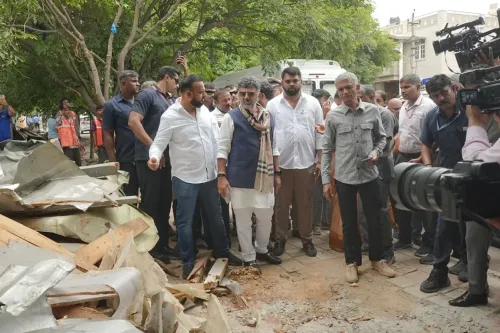
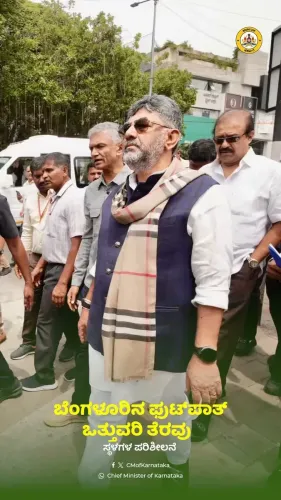
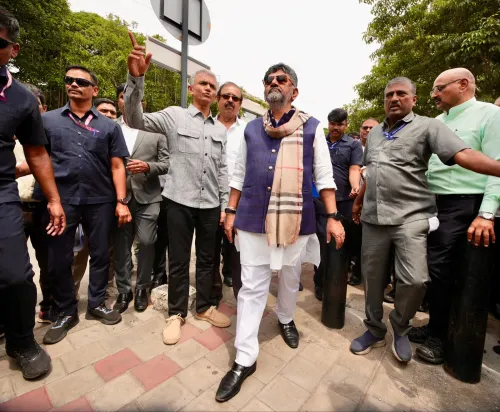
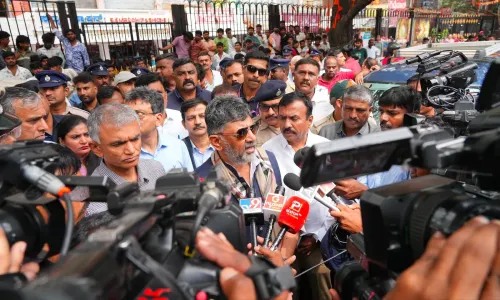
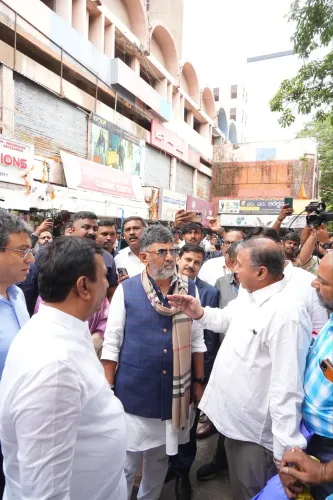
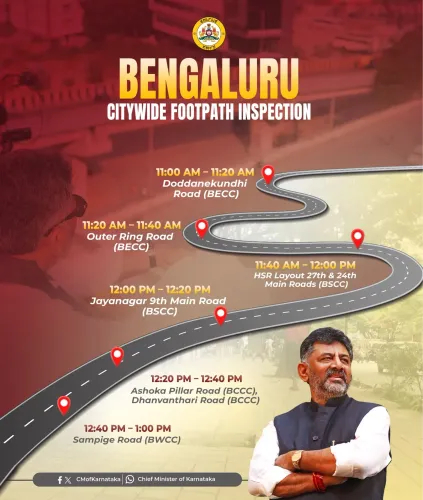
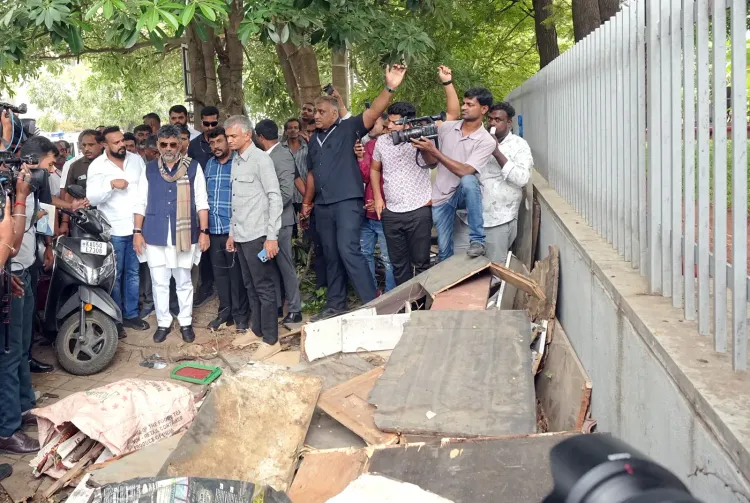
Karnataka Chief Minister D.K. Shivakumar on Friday, 10 July announced that the ongoing footpath encroachment clearance drive in Bengaluru will be extended to all five city corporations under the Greater Bengaluru Authority (GBA), revealing that 9,878 encroachments have already been removed across 435 km of footpaths since 1 July. Addressing the media near Ashoka Pillar in Jayanagar after a ground inspection, Shivakumar alleged that an organised mafia is operating behind the widespread encroachments, with rowdy elements reportedly extorting money from street vendors.
Scale of the Clearance Operation
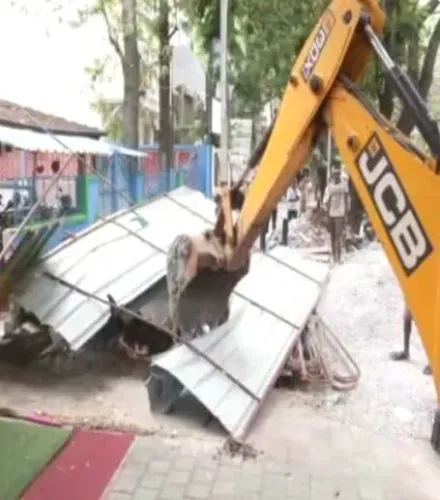
Officials have dismantled 1,340 permanent shops and approximately 1,800 pushcarts — with vendors permitted to voluntarily remove their carts — as part of the drive. Authorities also cleared 2,267 metal sheets installed in front of commercial establishments, 2,300 unauthorised steps and ramps, 2,662 pillars and signboards, and 2,247 sheds that had encroached upon public footpaths. Debris generated during the operation is being cleared simultaneously, and damaged stretches of footpath are being repaired.
The Mafia Allegation
Shivakumar alleged that a large, organised network was behind the systematic occupation of public spaces. He stated that authorities have information indicating rowdy elements have been extorting money from street vendors as part of this racket. The Chief Minister said police and GBA officials have been given full freedom to act, adding that the entire country is watching Bengaluru and the goal is to make the city clean.
Safety Case for Clearing Footpaths
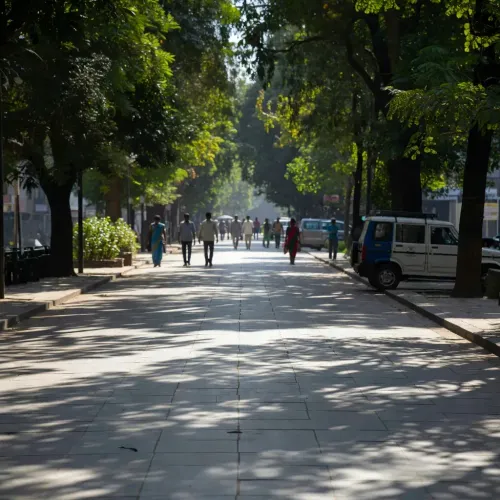
Underlining the public safety dimension, Shivakumar cited that more than 900 pedestrians had lost their lives in Bengaluru over the past three years, arguing that blocked footpaths force pedestrians onto roads, creating risk for both walkers and motorists. He said the exercise is being carried out for citizen convenience and safety, and not for any political benefit. He acknowledged that criticism would follow but said the government was prepared to face it.
Street Vendor Protections Promised
Addressing concerns over the livelihoods of displaced street vendors, Shivakumar said the state government considers them 'their own people' and there is no need for panic. He confirmed that designated vending zones will be established where vendors can operate without obstructing pedestrian or vehicular movement. The Chief Minister also said the government will restart the process of issuing identity cards to street vendors, a programme that had earlier been stayed by a court order.
When asked why the underground market at Vijayanagar — developed as an alternative — had failed to attract vendors, Shivakumar said the government would examine the feedback and consider appropriate measures. On the long-pending redevelopment of Jayanagar Market, he said half the building has already been constructed and a decision on completing the remaining work will be taken soon under an appropriate scheme.
What Comes Next
The drive is set to continue across all five corporations under the GBA, with the government simultaneously working to identify suitable vending locations. The Chief Minister inspected multiple sites alongside Minister for Bengaluru Development Krishna Byre Gowda. How swiftly the administration can operationalise vending zones and restart the identity card programme will determine whether the drive delivers lasting change or triggers a fresh round of legal and political challenges.
Point of View
As has happened in previous drives. The Vijayanagar underground market, built as an alternative and reportedly underused, is a warning sign the administration has not yet answered. Bengaluru has seen periodic footpath clearance pushes before; what has consistently been missing is the institutional follow-through — vending zones, identity cards, enforcement continuity — that converts a drive into durable change.
NationPress
8 Oct 2026
Frequently Asked Questions
How many encroachments have been removed in Bengaluru's footpath drive?
As of 10 July, authorities have removed 9,878 encroachments across 435 km of footpaths in Bengaluru since the drive began on 1 July. The cleared items include permanent shops, pushcarts, metal sheets, unauthorised steps, pillars, signboards, and sheds.
What did CM Shivakumar say about a mafia behind the encroachments?
Chief Minister D.K. Shivakumar alleged that an organised mafia is operating behind the systematic encroachment of Bengaluru's footpaths. He stated that authorities have information indicating rowdy elements have been extorting money from street vendors, and that police and GBA officials have been given full freedom to act against them.
Will street vendors be provided alternative spaces?
Yes, the Karnataka government has said it will establish designated vending zones where street vendors can operate without obstructing pedestrians or traffic. The government also plans to restart the issuance of identity cards to vendors, a process that had been stayed by a court earlier.
Why is the Bengaluru footpath clearance drive significant for public safety?
CM Shivakumar cited that more than 900 pedestrians died in Bengaluru over the past three years, arguing that blocked footpaths force people onto roads and create safety hazards. The drive aims to restore walkable footpaths and reduce pedestrian fatalities.
Which areas and corporations does the Bengaluru encroachment drive cover?
The drive will cover all five city corporations under the Greater Bengaluru Authority (GBA). CM Shivakumar announced the expansion after inspecting ongoing operations at multiple locations, including near Ashoka Pillar in Jayanagar, alongside Minister for Bengaluru Development Krishna Byre Gowda.