Did 'Bharat Bandh' Affect Normal Life in Bengal?
Synopsis
On February 12, normal life in West Bengal remained largely uninterrupted despite a nationwide strike led by trade unions. While banking services saw some impact, public transportation and port activities continued as usual, highlighting the varied effects of the strike across different sectors.
Key Takeaways
Normal life in West Bengal was largely unaffected by the strike.
Banking services faced partial disruptions .
Public transportation remained operational due to ongoing examinations.
Protests were staged by various trade unions advocating for workers’ rights.
The Left Front publicly endorsed the strike.
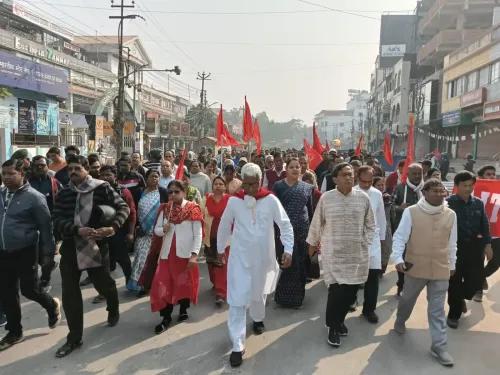
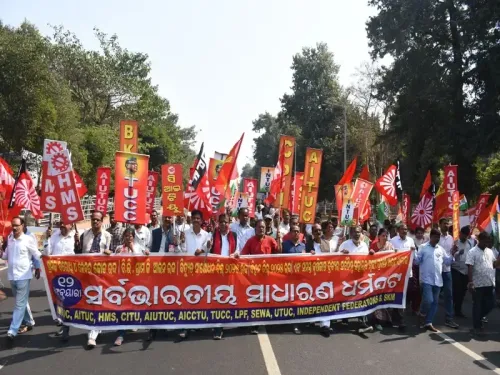
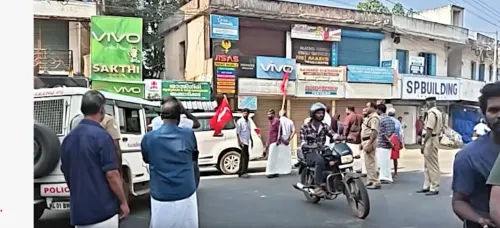
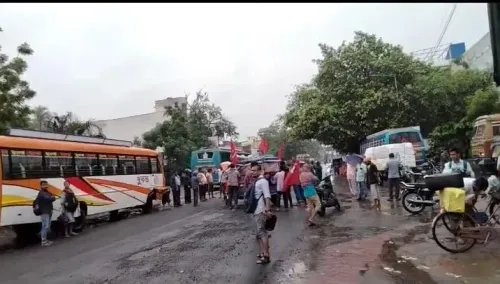
Kolkata, Feb 12 (NationPress) Life in West Bengal remained predominantly undisturbed on Thursday, despite a nationwide strike initiated by a coalition of central trade unions. This protest was aimed at opposing what the unions termed as the anti-worker, anti-farmer, and pro-corporate policies of the central government. Nevertheless, some banking services and specific industrial areas experienced minor disruptions.
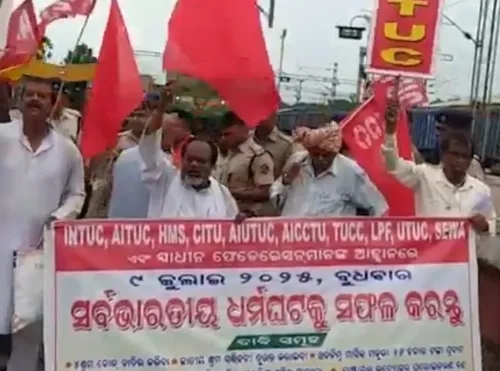
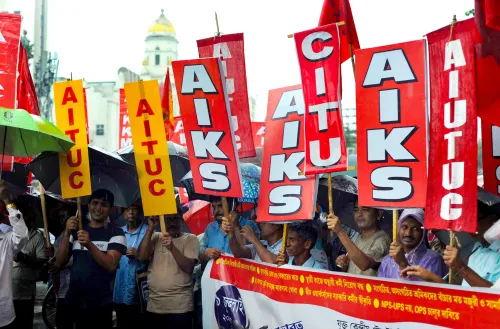
Union members, including representatives from the Centre of Indian Trade Unions (CITU), All India Trade Union Congress (AITUC), and the United Trade Union Congress (UTUC), who also advocated for a “Save Bengal” movement, organized protests outside various factories in regions such as Durgapur in West Burdwan and Haldia in East Midnapore.
Banking services in multiple public and private banks across the state faced interruptions due to the strike; however, the State Bank of India (SBI) reported maintaining standard operations.
Debasish Basu Chaudhury, General Secretary of the Bank Employees Federation of India, informed the media that the banking sector strike was largely effective across the state. He noted that most public and private sector banks experienced disruptions, although SBI employees chose not to strike but offered moral support.
Meanwhile, authorities at Kolkata Port confirmed that cargo handling and other port operations, including loading and unloading, proceeded as usual.
The jute industry noted some disruptions, with several mills either fully closed or operating at reduced capacity due to the strike.
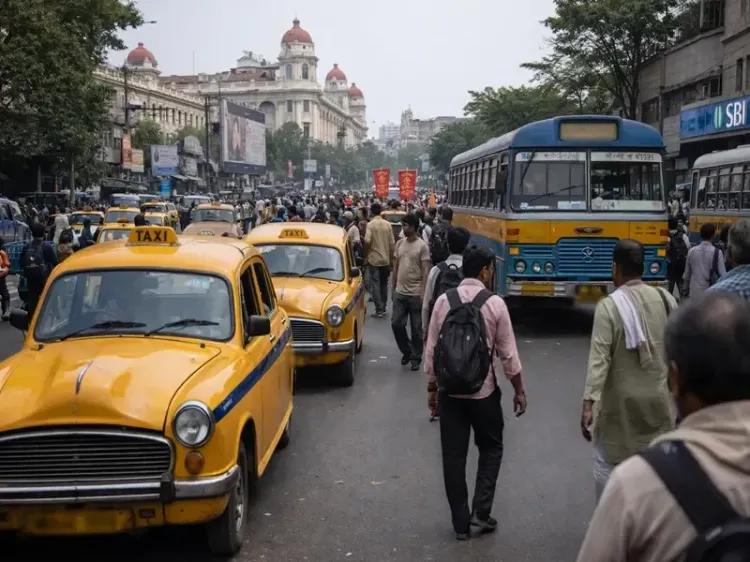
Public transportation remained unaffected, as it was exempted from the strike to accommodate ongoing state school board examinations.
The strike received backing from the Left Front and affiliated employees’ federations. Left Front Chairman Biman Basu had previously issued a statement endorsing the strike and encouraging public participation.
A coalition of trade unions had declared the nationwide strike on January 9 to voice their objections against the central government’s alleged anti-worker and anti-farmer approaches.
Point of View
It is crucial to understand the implications of the 'Bharat Bandh' on West Bengal's socio-economic fabric. The largely unaffected normalcy amid the strike suggests a disconnect between the trade unions' agenda and the daily lives of citizens. It highlights a need for dialogue between the government and these unions to address concerns without disrupting public life.
NationPress
20 Sept 2026
Frequently Asked Questions
What was the main reason for the Bharat Bandh?
The Bharat Bandh was called by a coalition of trade unions protesting against the central government's perceived anti-worker and anti-farmer policies.
Which sectors were affected by the strike?
Banking services faced disruptions, particularly in public and private sector banks, while some industrial sectors like jute mills reported partial shutdowns.
Did public transportation continue during the strike?
Yes, public transportation was not affected as it was exempted from the strike to accommodate ongoing state school board examinations.
What was the response from the Left Front regarding the strike?
The Left Front and affiliated employees’ federations supported the strike, urging the public to participate for its success.
How did the State Bank of India operate during the strike?
The State Bank of India reported normal functioning despite the nationwide strike.