What Impact Did the Bharat Bandh Have on Kerala's Daily Life?
Synopsis
Kerala faced a near-total shutdown due to the nationwide Bharat Bandh against new labour codes. This disruption affected daily lives, livelihoods, and economic activities, showcasing the state's unique approach to protests. With limited transport and closed businesses, many Keralites experienced lost income and stalled commerce.
Key Takeaways
Bharat Bandh led to significant disruptions in Kerala.
Shops, schools, and transportation were largely shut down.
Daily wage earners faced financial losses.
Peaceful protests highlighted worker rights issues.
Exemptions for certain groups were provided.
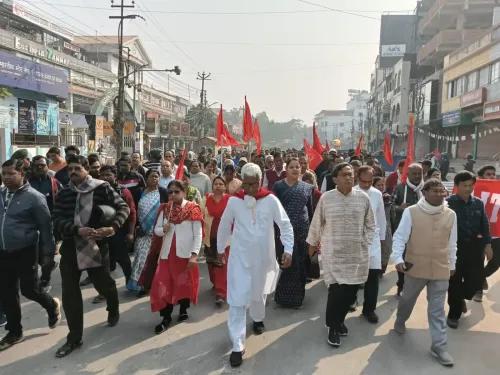
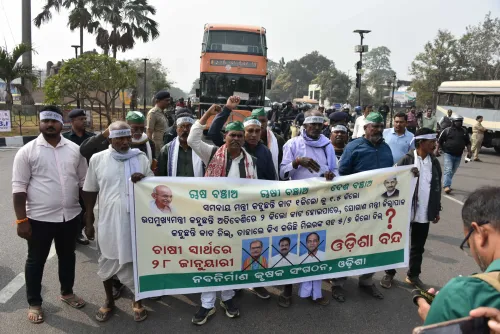
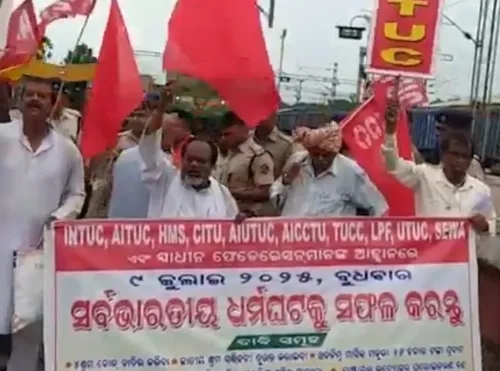
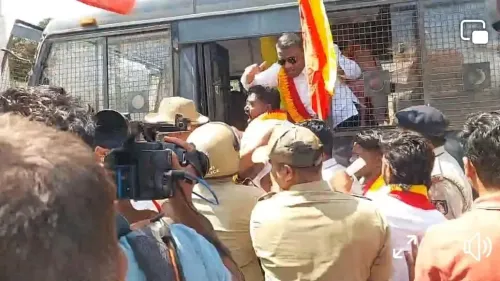
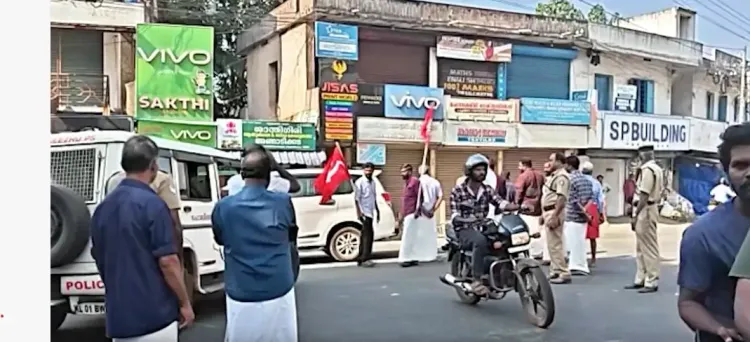
Thiruvananthapuram, Feb 12 (NationPress) On Thursday, Kerala experienced a significant shutdown as the 24-hour nationwide Bharat Bandh was called in protest against the Centre’s four new labour codes and associated legislations. This movement brought daily activities to a standstill, affecting shops, markets, offices, and schools throughout the state, thereby severely disrupting livelihoods and daily routines.
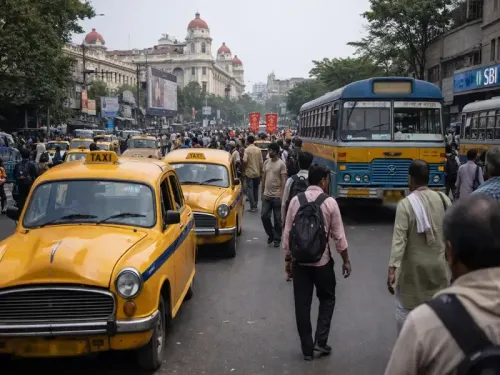
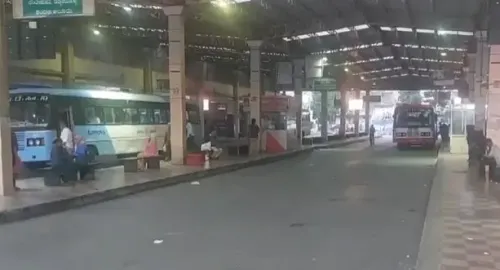
The effects were evident from early morning. Both state-run and private buses were absent from the roads, auto-rickshaws and taxis stayed parked, and commercial enterprises closed their doors.
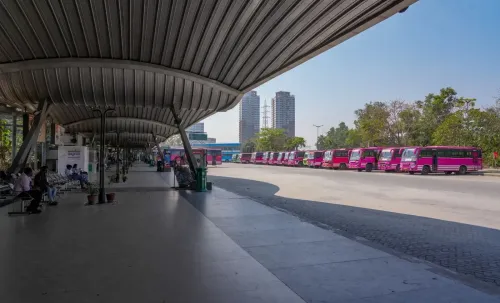
As public transportation faced paralysis, numerous passengers arriving via long-distance trains and inter-state buses found themselves stranded at railway stations and terminals, desperately seeking private transport to reach their destinations.
This shutdown had a direct impact on daily wage workers, small traders, and street vendors, many of whom suffered a loss of an entire day’s earnings.
Although organizers refrained from coercive tactics, focusing instead on persuading roadside vendors to close voluntarily, the day saw minimal economic activity.
While some private vehicles operated in certain areas, traffic remained sparse.
Law enforcement ensured the safety of staff buses transporting employees to ISRO units and facilitated limited access to specific IT campuses.
Meanwhile, the Kerala High Court operated normally.
Exemptions were provided for Sabarimala pilgrims and participants of the ongoing Maramon Convention near Thiruvalla.
The bandh, initiated by joint trade unions, demands the withdrawal of the four labour codes, the Draft Seed Bill, the Electricity Amendment Bill, and the proposed SHANTI Act.
Additionally, the unions are calling for the reinstatement of MGNREGA and the annulment of the Viksit Bharat-Guarantee for Rozgar and Ajeevika Mission Act, 2025, claiming these measures undermine worker protections and job security.
Interestingly, neighboring Tamil Nadu reported normal operations, highlighting the unique shutdown culture in Kerala.
Political pre-election yatras by both the ruling Left and the opposition continued without interruption.
State Education Minister V. Sivankutty was seen walking from his home to join the protesters.
For the average Keralite, however, the day translated into lost wages, halted commerce, and disrupted routines—the familiar economic cost of a comprehensive shutdown.
Point of View
We recognize the importance of peaceful protests in a democratic society. The Bharat Bandh in Kerala highlights the ongoing tensions surrounding labour laws and the economic implications for workers. While the disruption is significant, it underscores the voices of those advocating for better protections.
NationPress
20 Sept 2026
Frequently Asked Questions
What is the Bharat Bandh?
The Bharat Bandh is a nationwide strike called to protest against specific government policies, in this case, the four new labour codes introduced by the Centre.
How did the Bharat Bandh affect Kerala?
The Bharat Bandh led to the closure of shops, schools, and public transport, causing significant disruptions to daily life and economic activities in Kerala.
Who organized the Bharat Bandh?
The Bharat Bandh was organized by various joint trade unions across the country, advocating for the withdrawal of new labour codes and other legislative measures.
Were there any exemptions during the bandh?
Yes, exemptions were granted for Sabarimala pilgrims and participants of the Maramon Convention in Thiruvalla.
What was the public response to the bandh?
While some complied voluntarily with the bandh, the overall public transport and economic activities came to a near halt, reflecting a unique cultural response to such protests in Kerala.