What was the impact of Bharat Bandh in Odisha?
Synopsis
The Bharat Bandh called by Central Trade Unions significantly impacted Odisha, particularly in industrial areas. Protests led to road blockades and a complete shutdown of businesses in key cities, revealing the tensions between labor organizations and government policies.
Key Takeaways
Bharat Bandh called by Central Trade Unions disrupted daily life in Odisha .
Significant impact seen in industrial areas like Rourkela and Angul .
Protesters engaged in picketing and road blockades.
Response varied across different districts.
Political support from BJD and OPCC highlighted the issue's significance.
Bhubaneswar, Feb 12 (NationPress) The call for a nationwide strike by the Central Trade Unions on Thursday received a varied reception in Odisha, significantly disrupting daily activities in various regions, especially in the industrial sectors of the state.
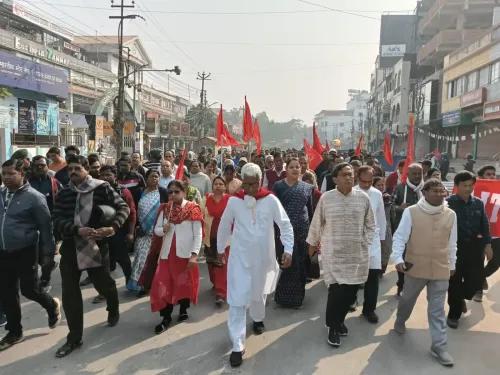
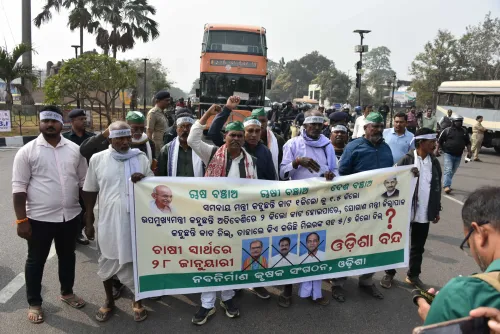
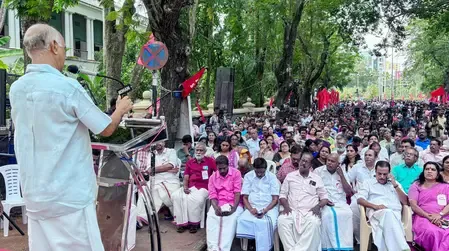
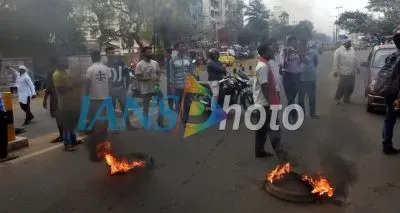
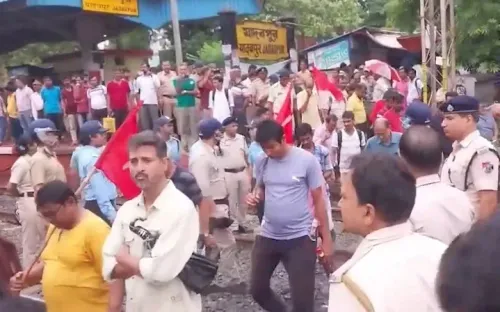
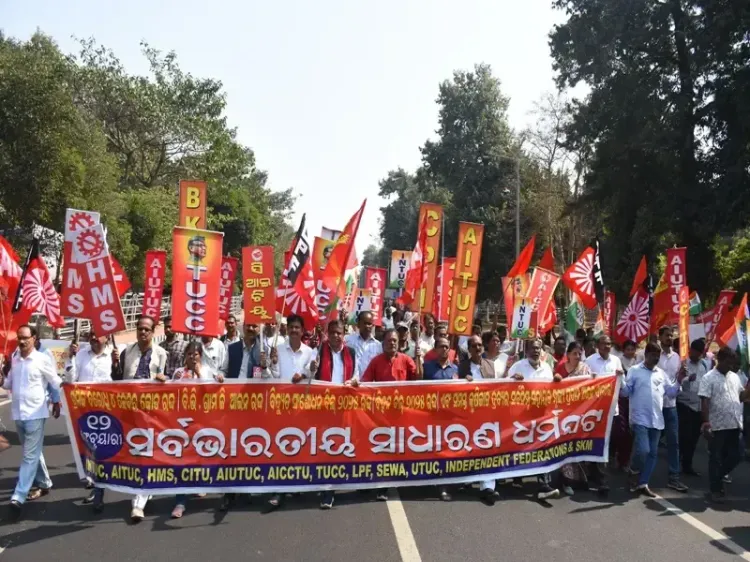
Protesters from multiple trade unions engaged in picketing at markets, bus terminals, and railway stations across the state early Thursday. Moreover, they executed road blockades on both National and State Highways, causing traffic delays for several hours throughout Odisha.
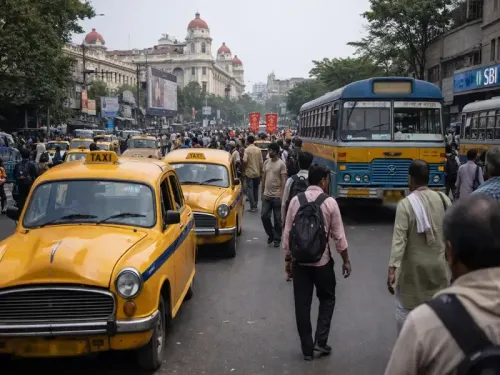
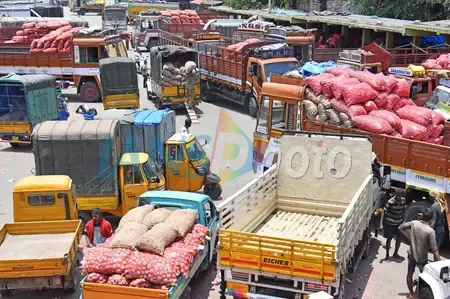
The demonstrations and picketing led to a total shutdown of businesses, shops, and offices in industrial hubs like Rourkela and Angul. Meanwhile, the response to the strike was partial in other districts, including the twin cities of Bhubaneswar and Cuttack, where only a few shops and select large businesses chose to close.
Reports indicate that ten central trade unions — including the Centre of Indian Trade Unions (CITU), the All India Trade Union Congress (AITUC), the Indian National Trade Union Congress (INTUC), the Hind Mazdoor Sabha (HMS), the All India Central Council of Trade Unions (AICCTU), the Labour Progressive Federation (LPF), and the United Trade Union Congress (UTUC) — along with over 50 independent organizations representing various sectors such as banking, insurance, and employees from both state and central governments, initiated the nationwide strike. They protested against what they perceived as the Union government's pro-corporate and anti-worker policies.
The labor organizations have called for the repeal of the four labor codes enacted by the central government.
Additionally, they have expressed their disapproval of the Viksit Bharat - Guarantee for Rozgar and Ajeevika Mission (Gramin) Act, 2025 (VB–G RAM G), which succeeded the Mahatma Gandhi National Rural Employment Guarantee Act (MGNREGA) that had been established during the Congress-led UPA government, in addition to raising various other farmer- and labor-related concerns.
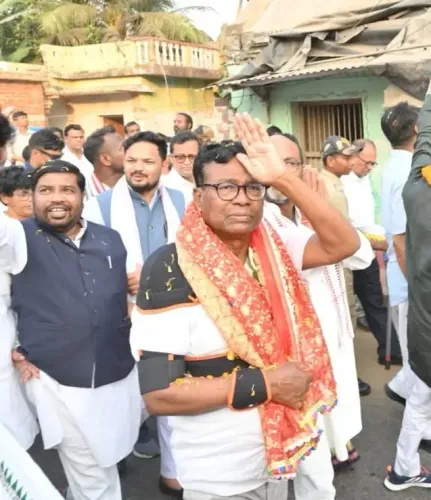
It is noteworthy that the main Opposition, Biju Janata Dal (BJD), and the Odisha Pradesh Congress Committee (OPCC) had previously declared their endorsement for the nationwide strike led by the central trade unions, protesting against the perceived anti-people legislations and policies instituted by the Union government.
Point of View
The mixed response to the Bharat Bandh in Odisha reflects the ongoing tensions between labor unions and government policies. While some regions faced significant disruptions, others maintained a semblance of normalcy. This underscores the need for dialogue and understanding between stakeholders in India's economic landscape.
NationPress
24 Sept 2026
Frequently Asked Questions
What is Bharat Bandh?
Bharat Bandh refers to a nationwide strike called by various trade unions to protest against government policies perceived as unfavorable to workers.
Which regions in Odisha were most affected?
Industrial cities such as Rourkela and Angul experienced the most significant disruptions, with complete shutdowns of businesses.
What are the demands of the protesting unions?
The unions demand the repeal of the four labor codes enacted by the central government and oppose the VB-G RAM G Act.
Did political parties support the strike?
Yes, both the Biju Janata Dal (BJD) and the Odisha Pradesh Congress Committee (OPCC) publicly supported the nationwide strike.
What does this strike signify for workers' rights?
This strike signifies a growing unrest among workers regarding labor laws and the need for more equitable policies from the government.